
Surface Treatment for Forged Components: Methods & Benefits
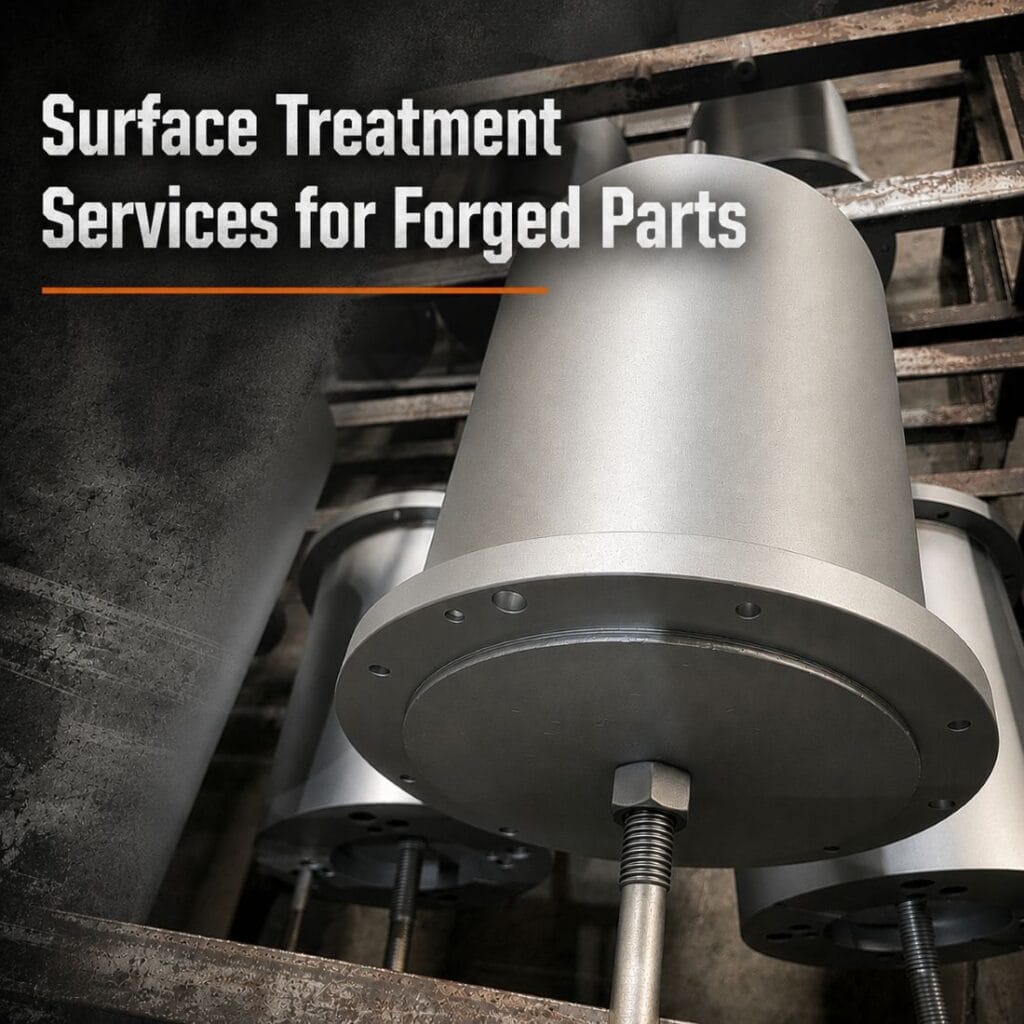
Surface treatment plays a critical role in improving the performance and service life of forged and machined components. By enhancing corrosion resistance, wear resistance, and surface durability, the right treatment helps components perform reliably in demanding industrial environments.
From hydraulic cylinder parts and gears to mining and construction equipment, different applications require different surface treatment solutions. Understanding the available processes can help engineers select the right option and assist buyers in evaluating suppliers more effectively.
This guide explores common methods, industry applications, and surface treatment services for forged parts to support better manufacturing and sourcing decisions.
Why Surface Treatment Is Important
Forging creates strong internal grain flow and excellent mechanical properties. However, even a well-forged component can fail prematurely if its surface is exposed to corrosion, abrasion, impact, or harsh environments.
Surface treatment helps address these challenges by improving the outer layer of the component while maintaining the strength of the base material.
Key benefits include:
- Improved corrosion and oxidation resistance
- Increased wear resistance and service life
- Enhanced fatigue strength
- Better dimensional stability
- Reduced maintenance and replacement costs
- Improved product appearance and surface quality
For industries such as construction machinery, mining, energy, and marine equipment, surface treatment for forged components is often essential rather than optional.
Common Surface Treatment Methods for Metal Parts
Different applications require different protection strategies. The most suitable treatment depends on operating conditions, material type, performance requirements, and budget.
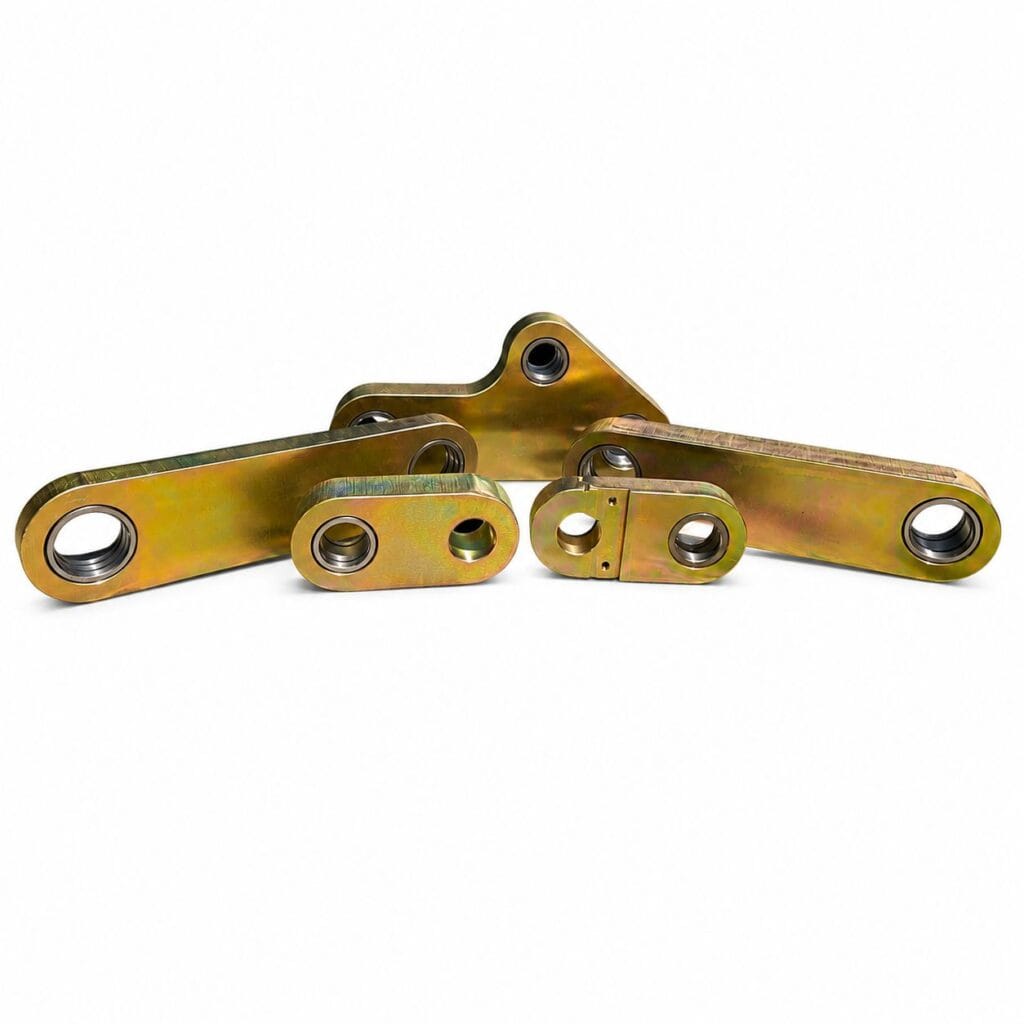
Zinc Plating
Zinc plating is one of the most widely used metal surface treatment methods for steel components.
A thin zinc layer protects the substrate from corrosion by acting as a sacrificial coating.
Common applications include:
- Fasteners
- Agricultural machinery parts
- Construction equipment components
- General industrial hardware
Advantages
- Cost-effective
- Good corrosion resistance
- Suitable for high-volume production
Nickel Plating
Nickel plating improves corrosion resistance while providing a smooth and attractive finish.
It is often used on precision parts where appearance and dimensional consistency are important.
Common applications:
- Precision machined components
- Instrument parts
- Automotive assemblies
Advantages
- Uniform surface finish
- Good wear resistance
- Enhanced corrosion protection
Nitriding
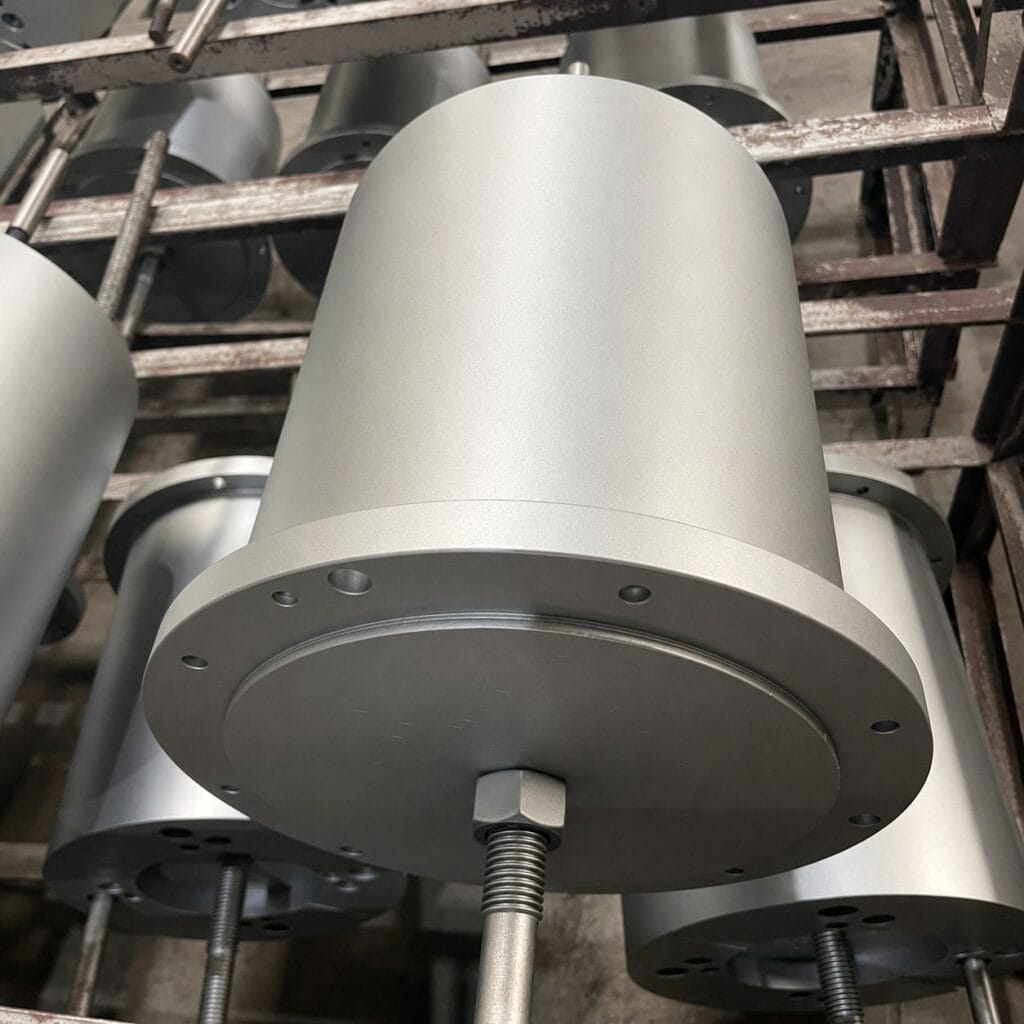
Nitriding introduces nitrogen into the surface layer of steel, creating a hard outer shell without significantly affecting core toughness.
It is widely used for:
- Gears
- Transmission shafts
- Bearing components
- Mining equipment parts
Advantages
- Increased surface hardness
- Improved fatigue resistance
- Minimal distortion
Shot Blasting and Shot Peening
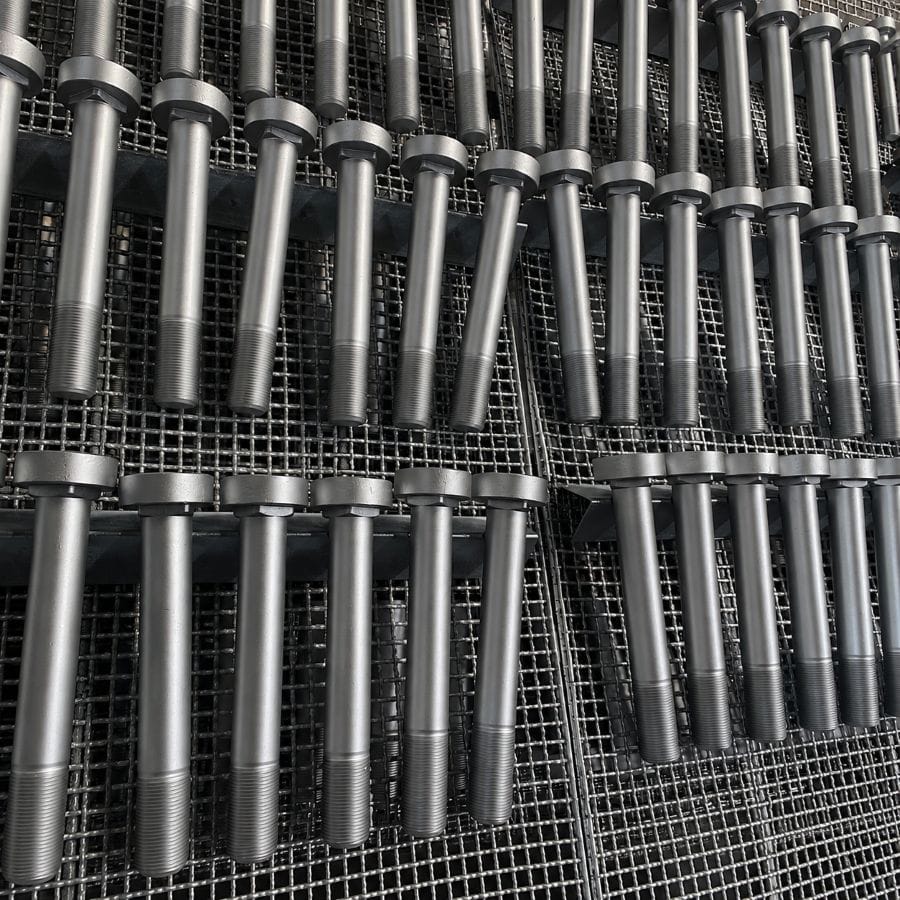
Although often mentioned together, these processes serve different purposes.
Shot Blasting
Removes scale, rust, and contaminants while preparing surfaces for coating or painting.
Shot Peening
Uses controlled impact to introduce compressive stress into the surface, improving fatigue life.
Common applications:
- Forged gears
- Suspension components
- Heavy machinery parts
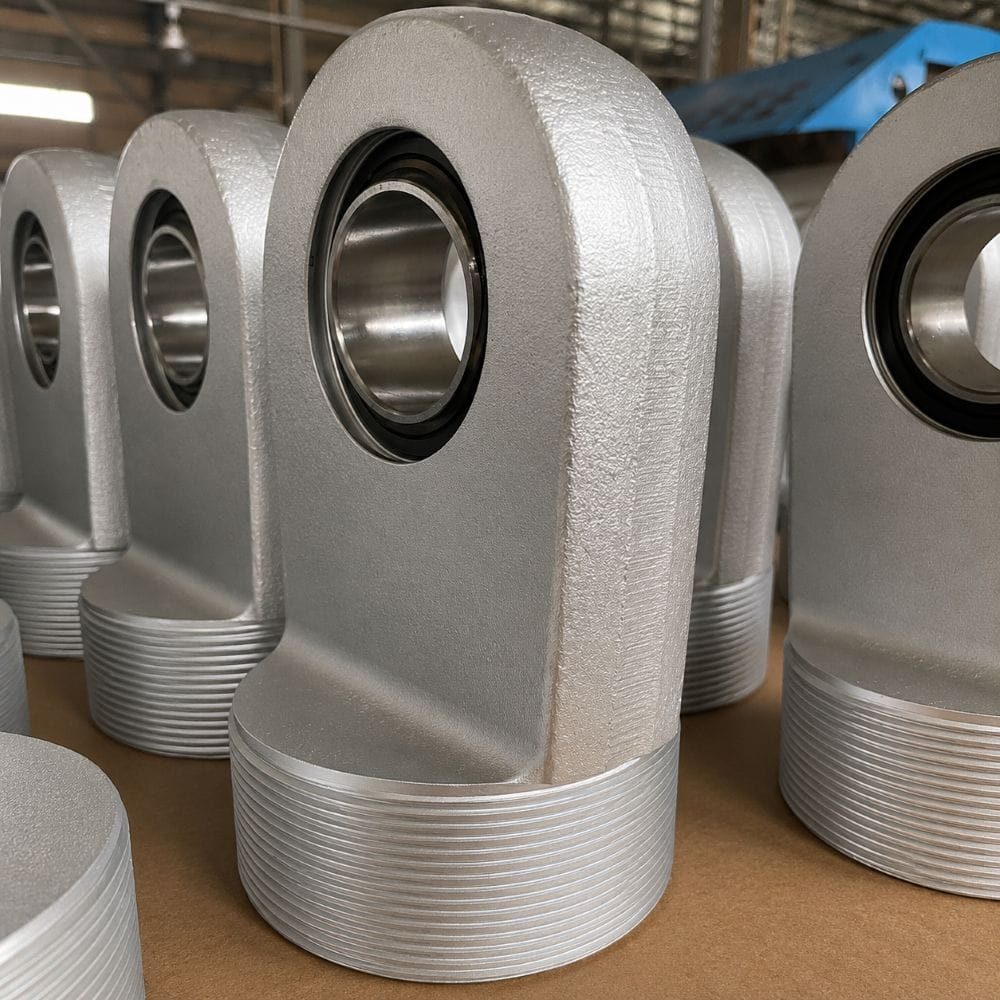
Chrome Plating
Chrome plating creates a hard, wear-resistant surface that performs well under friction and repeated movement.
This treatment is particularly common for:
- Hydraulic cylinder rods
- Shafts
- Heavy-duty industrial equipment
Advantages
- Excellent wear resistance
- Low friction coefficient
- Extended component life
Dacromet Coating
Dacromet is a high-performance anti-corrosion coating widely used in harsh outdoor and marine environments.
Applications include:
- Marine equipment
- Offshore structures
- Wind power components
- Mining machinery
Advantages
- Excellent salt spray resistance
- No hydrogen embrittlement risk
- Long-term corrosion protection
How to Choose the Right Surface Treatment
Selecting the best treatment depends on the operating environment and performance requirements.
| Requirement | Recommended Treatment |
|---|---|
| General Corrosion Protection | Zinc Plating |
| Marine Environment | Dacromet Coating |
| Wear Resistance | Nitriding |
| Hydraulic Applications | Chrome Plating |
| Precision Components | Nickel Plating |
| Fatigue Life Improvement | Shot Peening |
Engineers should evaluate:
- Operating environment
- Load conditions
- Wear requirements
- Dimensional tolerances
- Maintenance expectations
Buyers should also consider total lifecycle cost rather than focusing solely on initial processing cost.
Surface Treatment Applications Across Industries
Different industries require different levels of corrosion protection, wear resistance, and surface performance. Common applications include:
- Hydraulic Cylinder Components — Chrome plating and nitriding help improve wear resistance, sealing performance, and service life.
- Construction Machinery — Zinc plating, shot blasting, and protective coatings help withstand outdoor environments and abrasive working conditions.
- Mining Equipment — Nitriding and anti-corrosion coatings improve durability under heavy loads, impact, and dust exposure.
- Agricultural Machinery — Surface treatments protect components from moisture, fertilizers, and seasonal weather conditions.
- Marine & Offshore Equipment — Dacromet and specialized coatings provide long-term corrosion protection in saltwater environments.
- Energy & Power Generation — Surface treatments help improve reliability for gears, shafts, and structural components used in demanding operating conditions.
Surface Treatment Services for Forged Parts
For many OEMs, managing multiple suppliers for forging, machining, heat treatment, and coating can increase lead time and quality risks.
Integrated surface treatment services simplify the supply chain and improve consistency.
At Weforging, components can be processed through:
- Hot Forging
- CNC Machining
- Heat Treatment
- Surface Treatment
- Final Inspection
within a coordinated manufacturing process.
Quality Control Measures
Every project may include:
- Dimensional inspection
- Surface roughness testing
- Coating thickness verification
- Material certification review
- Traceability documentation
This helps ensure that surface treatment requirements are achieved consistently across production batches.
Case Example: Surface Treatment for Industrial Forgings
Manufacturing Process
1. Forging
Formed the component with optimized grain flow for improved strength and durability.
2. Heat Treatment
Improved mechanical properties and ensured material stability.
3. CNC Machining
Achieved precise dimensions and required tolerances.
4. Shot Blasting
Removed surface scale and prepared the part for coating.
5. Dacromet Coating
Applied a high-performance anti-corrosion coating for outdoor service.
6. Final Inspection
Verified dimensions, surface quality, and coating performance before shipment.
Results
- Improved corrosion resistance
- Better surface consistency
- Reduced maintenance frequency
- Longer service life in outdoor environments
This manufacturing route combined forging, machining, and industrial surface treatment services to deliver reliable performance in demanding applications.
Conclusion & Contact
Surface treatment plays a critical role in the performance and longevity of forged components. Whether the goal is corrosion protection, wear resistance, fatigue improvement, or enhanced appearance, selecting the right process can significantly improve product reliability and reduce lifecycle costs.
By combining forging, machining, heat treatment, and surface treatment services for forged parts, manufacturers can achieve greater consistency, shorter lead times, and better overall quality control.
If you’re sourcing forged components that require specialized surface treatment, our engineering team can help evaluate the most suitable solution for your application.