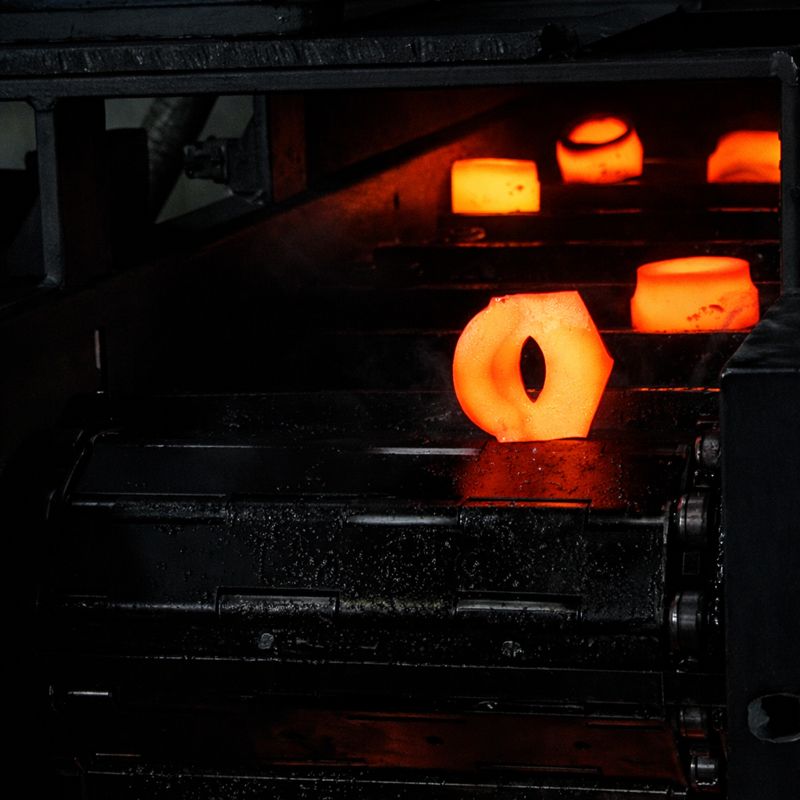
Custom Forged Components Manufacturer for OEMs
Weforging manufactures custom forged components to OEM drawings for industrial equipment and heavy-duty applications. Manufacturing can integrate forging, heat treatment, CNC machining and inspection within one controlled production route.
✓ Custom forged components to OEM drawings
✓ Forged components up to 200 kg
✓ Carbon, alloy & stainless steels
✓ Forging + heat treatment + CNC machining
✓ Inspection & batch traceability
Forged Components Manufacturing Capabilities
| Capability | Range |
|---|---|
| Piece Weight | 1–200 kg |
| Maximum Length | Up to 6,000 mm |
| Maximum Diameter | Up to 600 mm |
| Materials | Carbon steel, alloy steel, stainless steel |
| Forging Methods | Die forging, open-die forging, hot forging |
| Heat Treatment | Normalizing, annealing, quenching & tempering |
| CNC Machining | Pre-machining and finishing |
| Surface Treatment | Machined, shot-blasted, coated |
| Inspection | UT, MT, dimensional inspection |
| Documentation | Material Test Certificates (MTC), inspection reports, traceability |
| Production Volume | From prototypes to series production |
OEM Project Support
- Drawing review before production
- Material selection assistance
- Low-volume and prototype orders
- Cost reduction suggestions
- Full production traceability
- Free drawing-based quotation
Custom Forged Components We Manufacture
- Hot Forging & Cold Forging
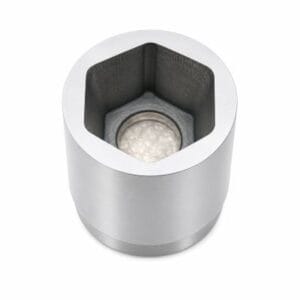
Custom Hex Driver Socket
- Hot Forging & Cold Forging
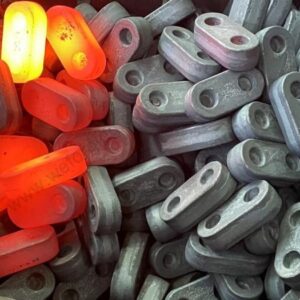
Forged Link Arms
- Hot Forging & Cold Forging
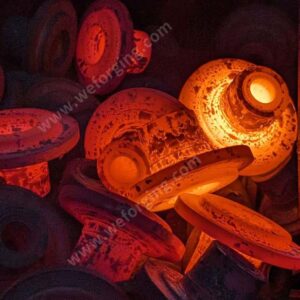
Forged Flanges
- Hot Forging & Cold Forging
Forged Steel Bushings
- Hot Forging & Cold Forging
Steel Flange Forgings
- Hot Forging & Cold Forging
Forged Clevis Rod Ends
- Hot Forging & Cold Forging
Forged Rollers
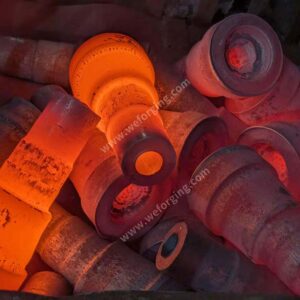
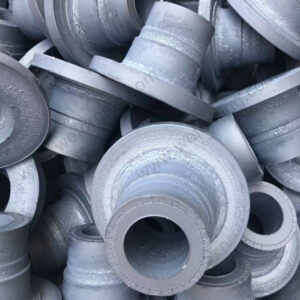
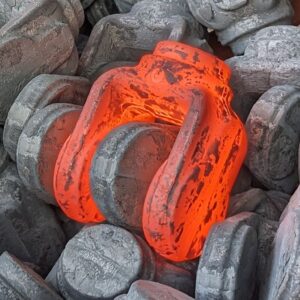

Custom Forging Services for OEM Manufacturers
As an experienced forging supplier, Weforging provides flexible manufacturing solutions for customers requiring reliable forged parts production.
Our main forging services include:
Closed Die Forging
Closed die forging is suitable for complex forged components requiring consistent dimensions and repeatable production quality.
Typical applications include:
- Link arms
- Clevis components
- Transmission parts
- Structural components
Open Die Forging
Open die forging is commonly used for larger forged steel components requiring flexibility in size and material selection.
Applications include:
- Large shafts
- Rings
- Heavy machinery components
Forging + CNC Machining Integration
Many OEM forged components require machining after forging to achieve final tolerances.
By combining forging and CNC machining in one supply chain, Weforging helps customers reduce supplier coordination, improve consistency and shorten production lead time.
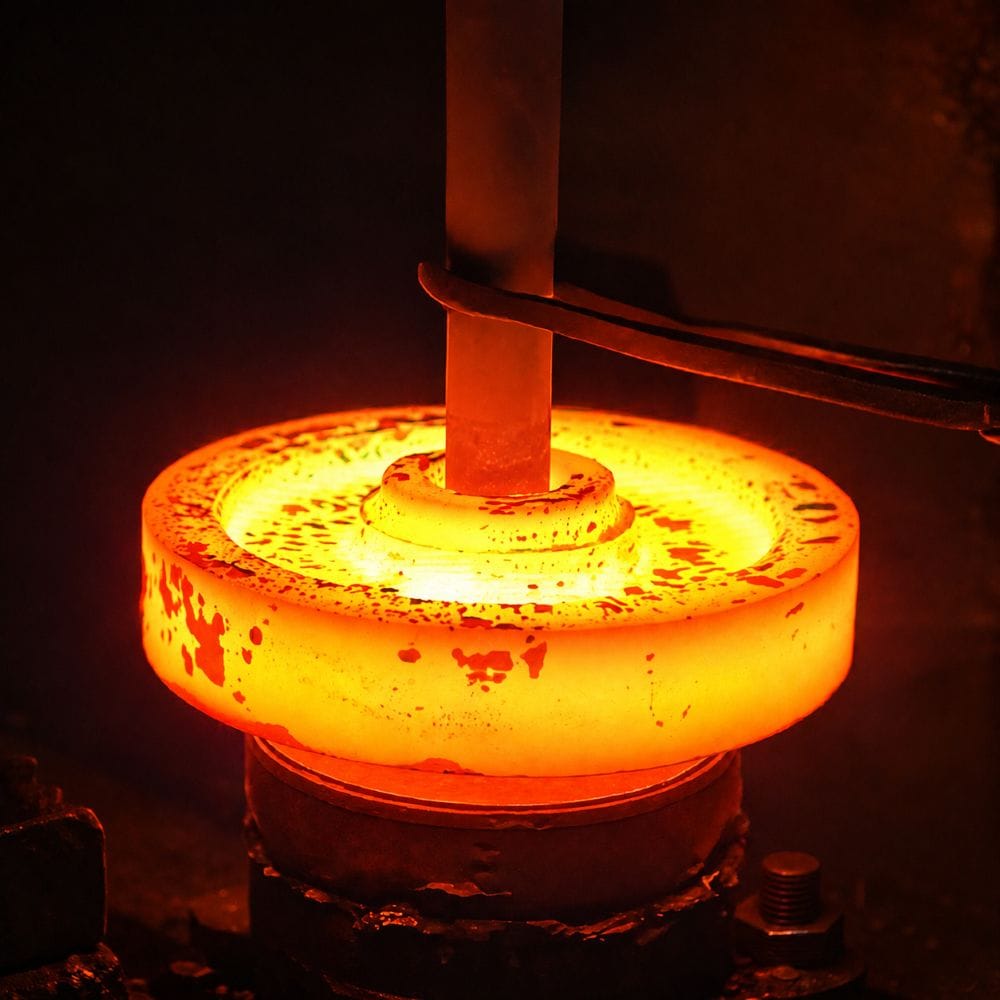
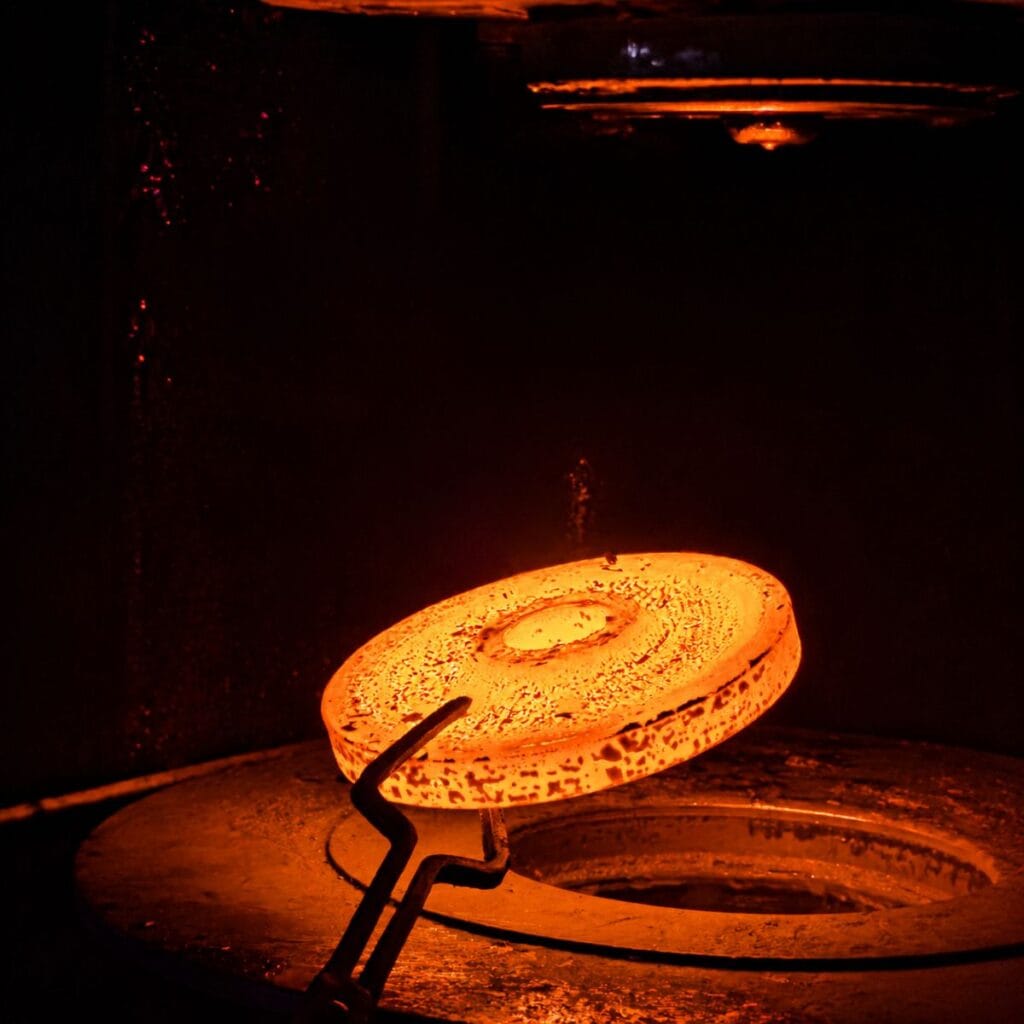
Forging Manufacturing Process
Our hot forging process typically includes:
Material selection and preparation
Controlled heating
Trimming and surface conditioning
CNC machining (if required)
Inspection and quality verification
Each step is coordinated to support dimensional accuracy, mechanical consistency, and traceability across production batches.
For a closer look at how hot forging operations are organized on the shop floor, including heating, forging, trimming, and downstream processing, please refer to our hot forging production line overview.
Material Options for Custom Forged Components
Different applications require different material properties, including strength, wear resistance and corrosion resistance.
Common materials include:
| Material | Typical Forged Components | Applications |
|---|---|---|
| 1045 / C45 Steel | Shafts, sleeves, flanges | General industrial equipment |
| 4140 / 42CrMo Steel | Rings, gears, link arms | Mining and construction equipment |
| 4340 Steel | Heavy-duty shafts | High-load applications |
| 20CrMnTi | Gear blanks, transmission parts | Gear systems |
| 34CrNiMo6 | High-strength shafts and rings | Heavy machinery |
| Stainless Steel 304/316 | Flanges, corrosion-resistant parts | Marine and chemical equipment |
Our engineers can recommend suitable materials based on:
- Load requirements
- Operating environment
- Fatigue requirements
- Cost targets
- Customer standards
Industrial Applications for Forged Components
Forged components are widely used where strength, durability, and reliability are critical. Typical applications include:
- Mining Equipment: Shafts, rings, gears requiring wear resistance and high strength
- Construction Machinery: Link arms, hubs, sleeves with impact resistance and durability
- Agricultural Machinery: Couplings, shafts, flanges with fatigue resistance
- Power Transmission Systems: Gear blanks, shafts needing dimensional stability
- Marine & Offshore Equipment: Stainless steel forged components for corrosion resistance
Quality Assurance for OEM Forged Components
Instead of relying solely on final inspection, quality control begins before production starts.
At Weforging, material certificates are reviewed before forging, process parameters are monitored during production, and critical dimensions are verified throughout machining. This approach helps reduce variation between batches and supports consistent part performance in demanding applications.
For projects requiring additional verification, we can provide:
- Material Test Certificates (MTC)
- Ultrasonic Testing (UT)
- Magnetic Particle Testing (MT)
- Hardness Testing
- Dimensional Inspection Reports
- Third-Party Inspection Support
- Full Production Traceability
Many of the forged components we manufacture are supplied for mining equipment, heavy machinery, transmission systems, and industrial OEM applications where reliability and repeatability are often more important than the lowest purchase price.
Why Weforging
For many OEM projects, supplier selection is not only about production capacity. Consistent quality, clear documentation, and reliable delivery are often just as important.
- Forging and CNC machining in one facility
- Material certificates and full traceability
- Manufacturing based on customer drawings
- UT, MT and dimensional inspection available
- Experience with mining, construction and industrial equipment