
Gear Machining Services for Custom Industrial Gears
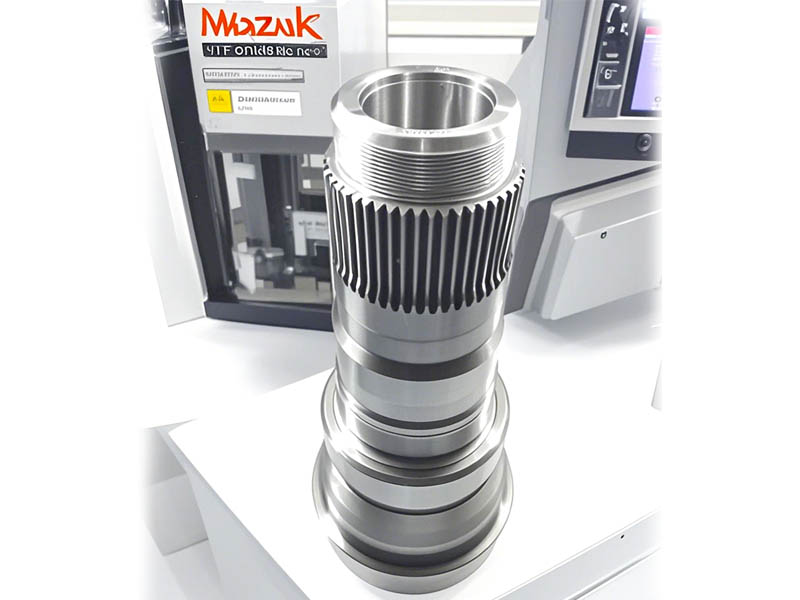
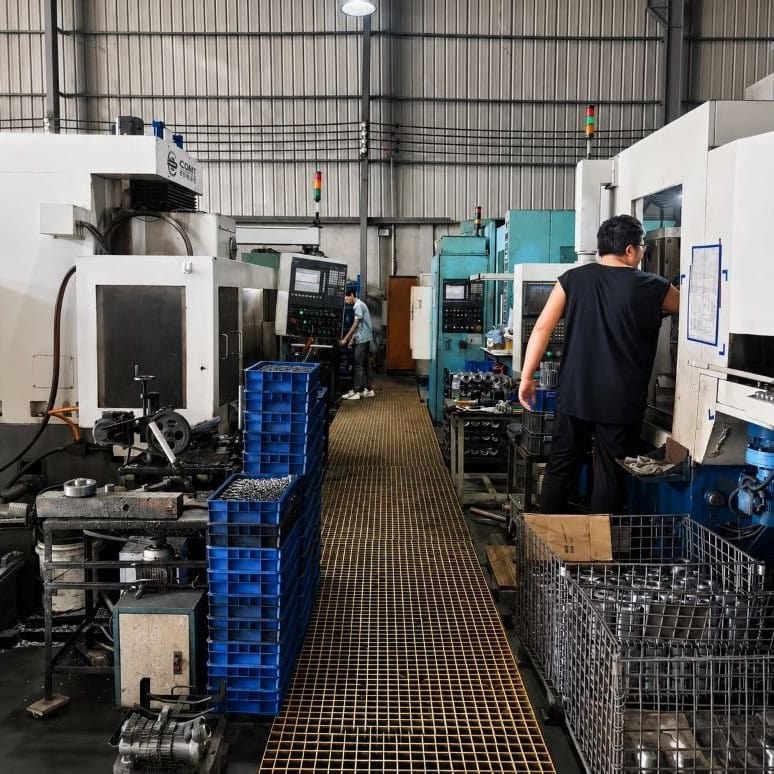
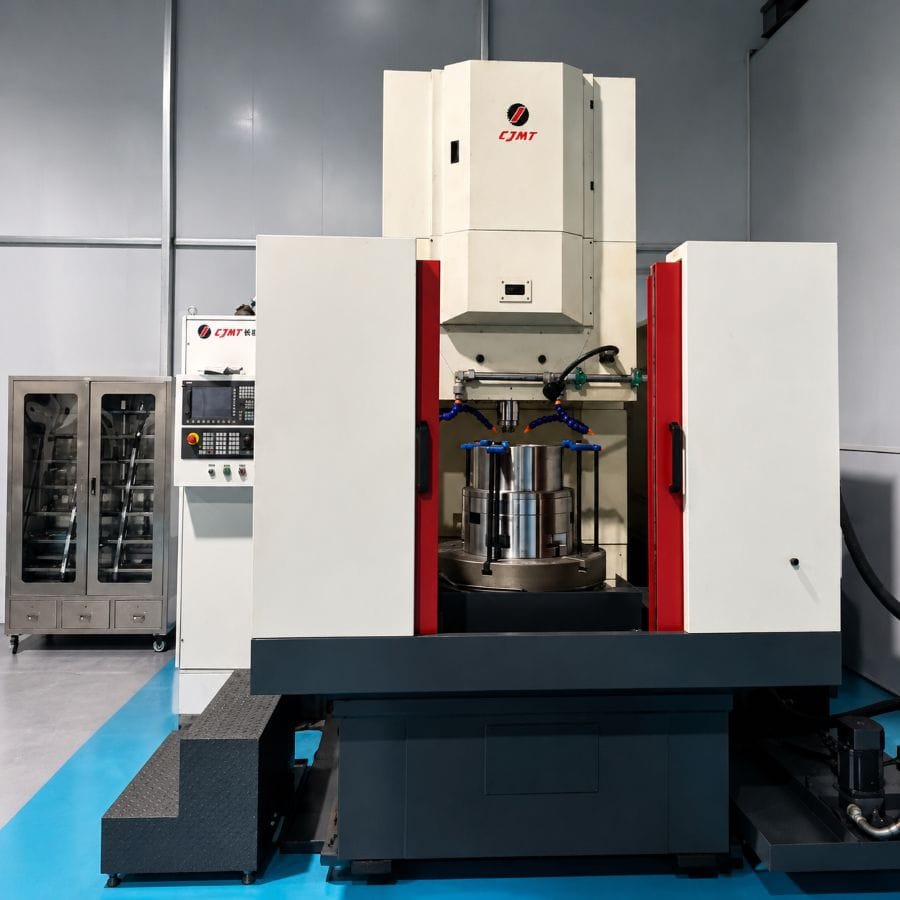
Weforging provides gear machining services for custom industrial gears, gear shafts, pinions, ring gears, and transmission components. Our capabilities cover CNC blank machining, gear hobbing, gear shaping, gear grinding, heat treatment, and final inspection.
For heavy-duty applications, we can also integrate forged or ring-rolled gear blanks into the manufacturing process, supporting projects from raw material to finished gear.
We manufacture according to customer drawings, gear specifications, required accuracy, materials, heat treatment, and production quantities.
Gear Machining Capabilities
Our custom gear machining capabilities support prototype, low-volume, and batch production for industrial OEM projects.
| Capability | Available Options |
|---|---|
| Gear Types | Spur, Helical, Internal, Ring, Pinion, Gear Shafts |
| Gear Cutting | Hobbing, Shaping, Grinding |
| CNC Machining | Turning, Milling, Drilling, Boring |
| Materials | Carbon Steel, Alloy Steel, Customer-Specified Grades |
| Gear Blanks | Forged, Ring-Rolled and Machined Blanks |
| Heat Treatment | Carburizing, Induction Hardening, Quenching & Tempering |
| Inspection | Profile, Lead, Pitch, Runout, Dimensional Inspection |
| Production | Prototype to Batch Production |
Gear size, module or DP, required accuracy, and machining route are reviewed according to the customer drawing before production.
Gear Machining Processes
Different gear geometries and accuracy requirements require different machining processes.
Gear Hobbing
Gear hobbing is commonly used for external spur gears, helical gears, pinions, and gear shafts. It provides efficient and repeatable tooth generation for industrial production.
Gear Shaping
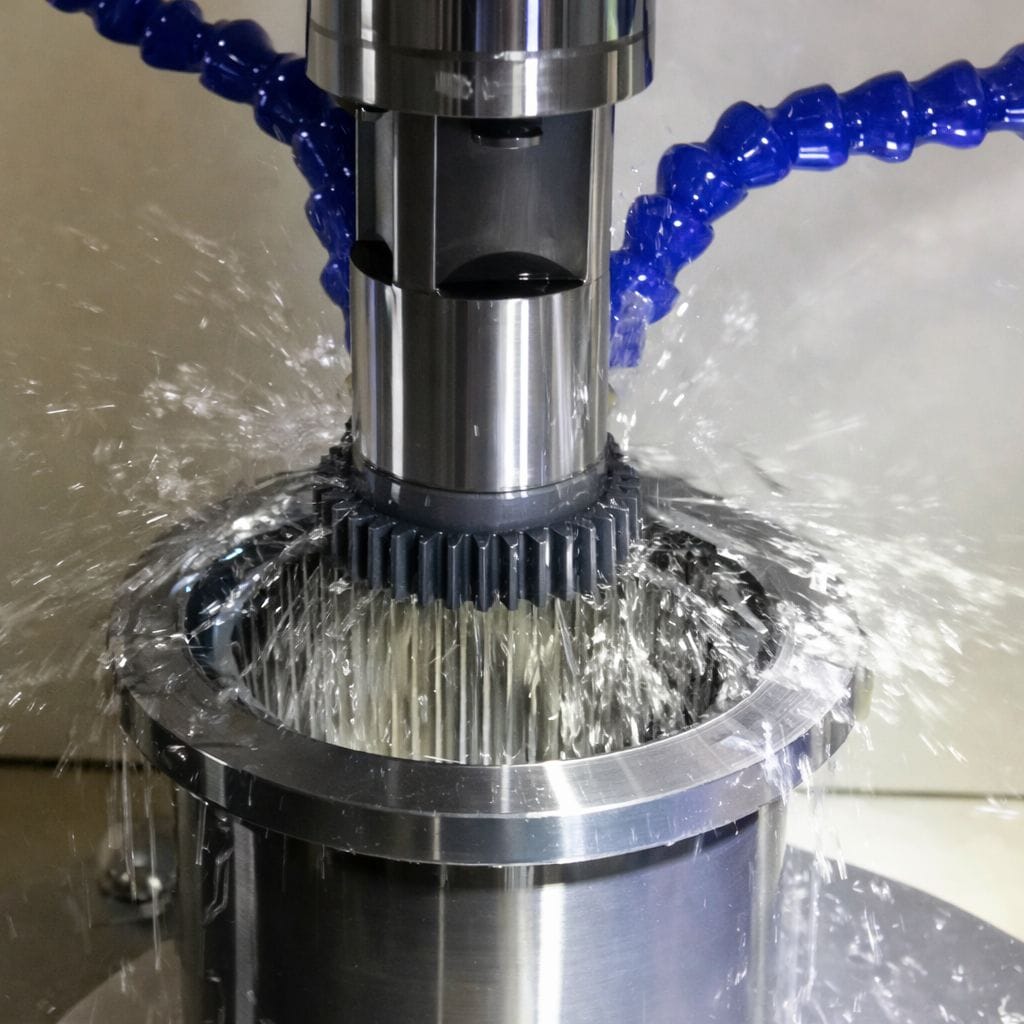
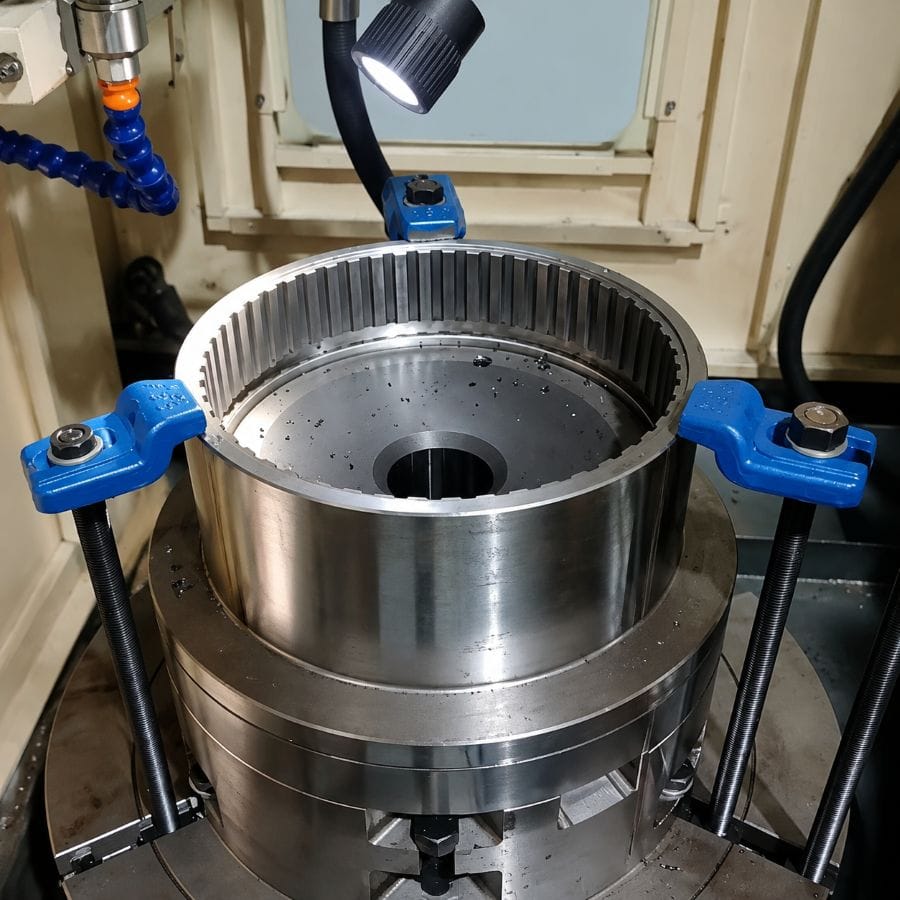
Gear shaping can produce both external and internal teeth and is particularly suitable for internal gears, ring gears, and components where tool clearance limits the use of conventional hobbing.
Gear Grinding
Gear grinding is used when higher tooth accuracy, improved surface finish, or correction after heat treatment is required. It can improve tooth profile, lead accuracy, and contact performance.
CNC turning and milling are also used to prepare gear blanks, bores, faces, hubs, shoulders, and other reference features before or after gear cutting.
-2.jpg)
Gear Types We Manufacture
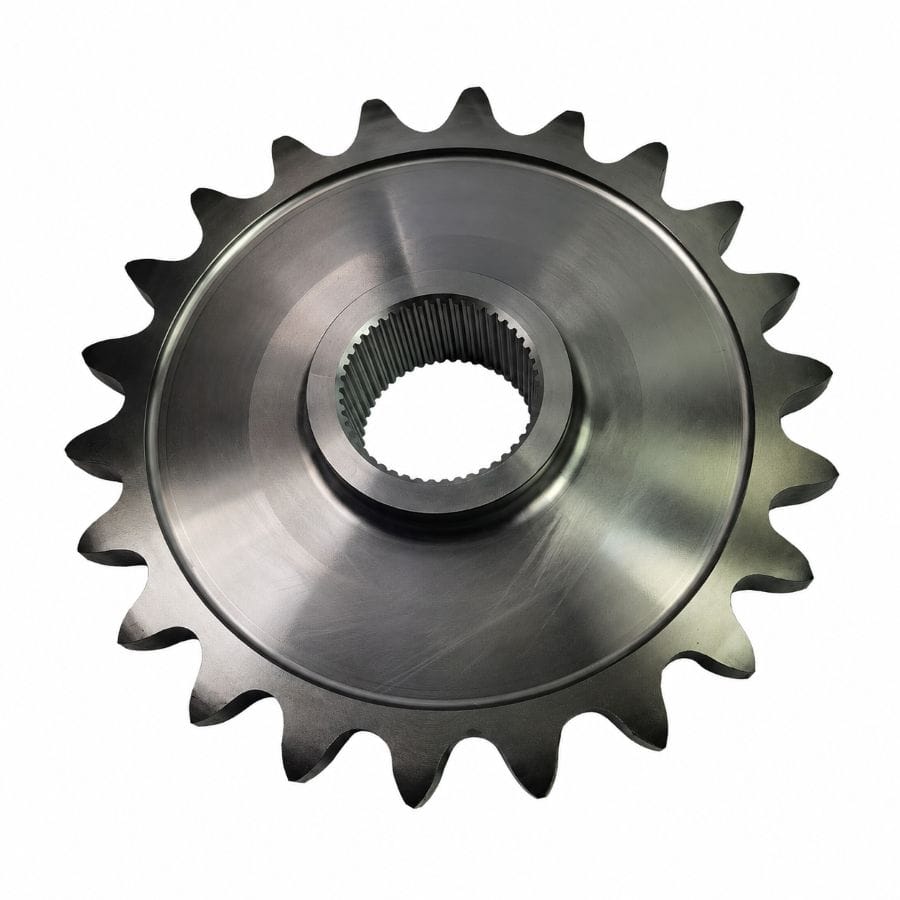
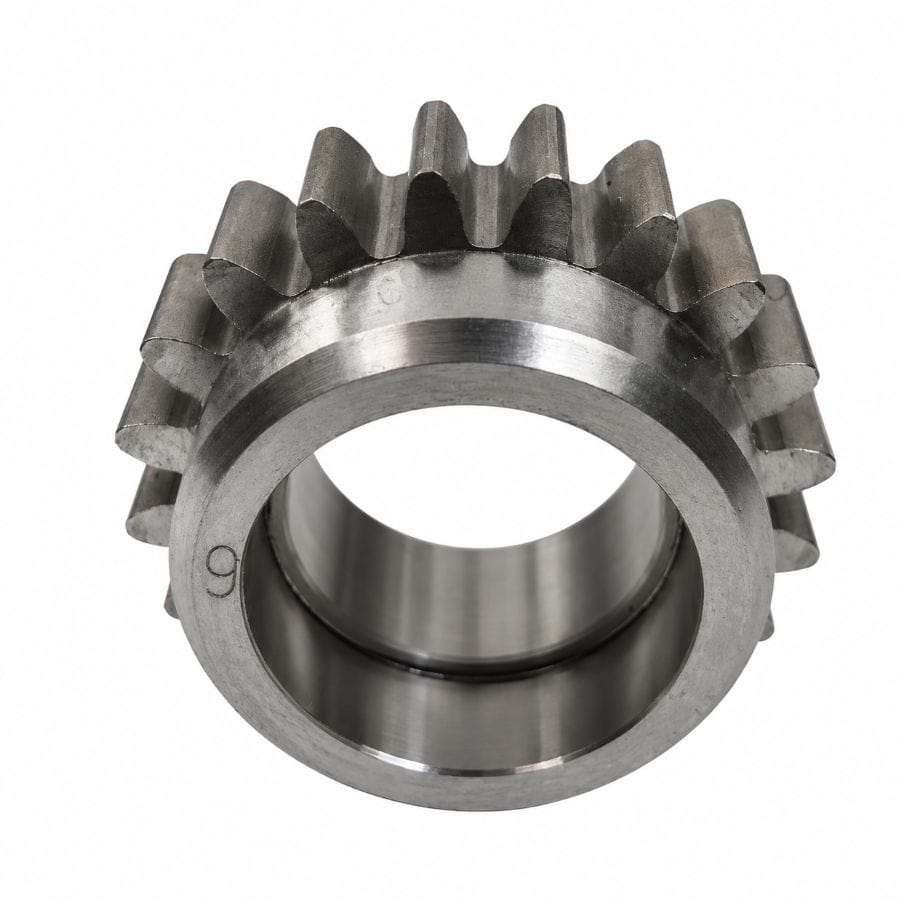
Weforging manufactures custom gear components based on customer drawings rather than standard catalogue dimensions.
Spur Gears
Straight-tooth gears for industrial gearboxes, machinery, conveyors, and power transmission systems.
Helical Gears
Angled-tooth gears used where smoother engagement, higher load capacity, or reduced operating noise is required.
Internal Gears
Internally toothed components commonly used in planetary gear systems, reducers, and heavy-duty transmissions.
Ring Gears
Large-diameter gear components used in mining machinery, industrial drives, energy equipment, and heavy mechanical systems.
Gear Shafts and Pinions
Components combining gear teeth with shaft features such as bearing seats, shoulders, splines, threads, and mounting surfaces.
Gear Accuracy and Inspection
Gear accuracy directly affects tooth contact, load distribution, transmission stability, vibration, and service life.
Our gear machining quality control is based on customer drawings and applicable ISO, DIN, AGMA, or project-specific requirements.
Key inspection characteristics may include:
- Tooth profile
- Lead
- Pitch
- Gear runout
- Bore and outside diameter
- Concentricity
- Critical machined dimensions
- Surface finish
- Hardness after heat treatment
Inspection can combine dedicated gear measurement equipment, CMM inspection, and conventional dimensional measurement depending on component geometry and project requirements.
Required gear accuracy grades should be specified on the drawing or confirmed during engineering review.
From Forged Gear Blank to Finished Gear
For heavy-duty gears, performance depends on both tooth accuracy and the quality of the starting material.
Weforging can integrate:
Material → Forging / Ring Rolling → Heat Treatment → CNC Machining → Gear Cutting → Grinding → Inspection
Forged gear blanks are commonly used for components exposed to high torque, cyclic loading, impact, or demanding operating conditions.
Combining forging and machining within one supply chain also helps coordinate material selection, forging allowance, heat treatment, machining datums, and final inspection.
This manufacturing route is particularly suitable for ring gears, gear blanks, pinion shafts, transmission gears, and other heavy-duty components.
Applications and Industries
Construction Machinery Gearboxes
Forged gears in heavy-duty gearboxes handle extreme loads and ensure long-term durability on construction sites.Transmission Gears for Trucks & Agricultural Equipment
Precision-machined gears provide efficient power transfer and reliable performance in mobile machinery.Wind Turbine Gear Rings
Large forged gear rings deliver stability and torque resistance for continuous operation in renewable energy systems.Precision Gears for Valve Actuators & Drives
High-accuracy gears ensure smooth control and performance in industrial automation and control equipment.Hydraulic Motor Gears & Pump Components
Wear-resistant gears enhance efficiency and reliability in hydraulic systems and fluid power applications.
These applications often require gears with high load capacity, long service life, and stable dimensional accuracy. Our engineering team can support custom gear machining solutions based on specific operating conditions.
Why Choose Weforging for Gear Machining?
OEM customers choose Weforging for more than gear machining capacity. We provide a complete manufacturing solution from forged blanks to finished gear components.
Key advantages include:
- Forging-to-finish machining capability
Integrated production from hot forging, ring forging, CNC machining, and final inspection. - Precision machining for forged gear blanks
CNC machining of heavy-duty gears, shafts, and transmission components with consistent accuracy. - Flexible production support
Prototype development, small-batch orders, and production runs for different project requirements. - Engineering support and DFM review
Assistance with drawing review, tolerance analysis, and manufacturing optimization. - Reliable quality control
ISO 9001 quality system, full traceability, and inspection based on customer specifications.
Request a Custom Gear Machining Quote
Send us your 2D drawing, 3D model, material specification, gear parameters, heat treatment requirements, accuracy grade, and estimated quantity.
Our engineering team will review the manufacturing route before quotation.