Gear Forging Manufacturer | Forged Gears & Shafts Supplier
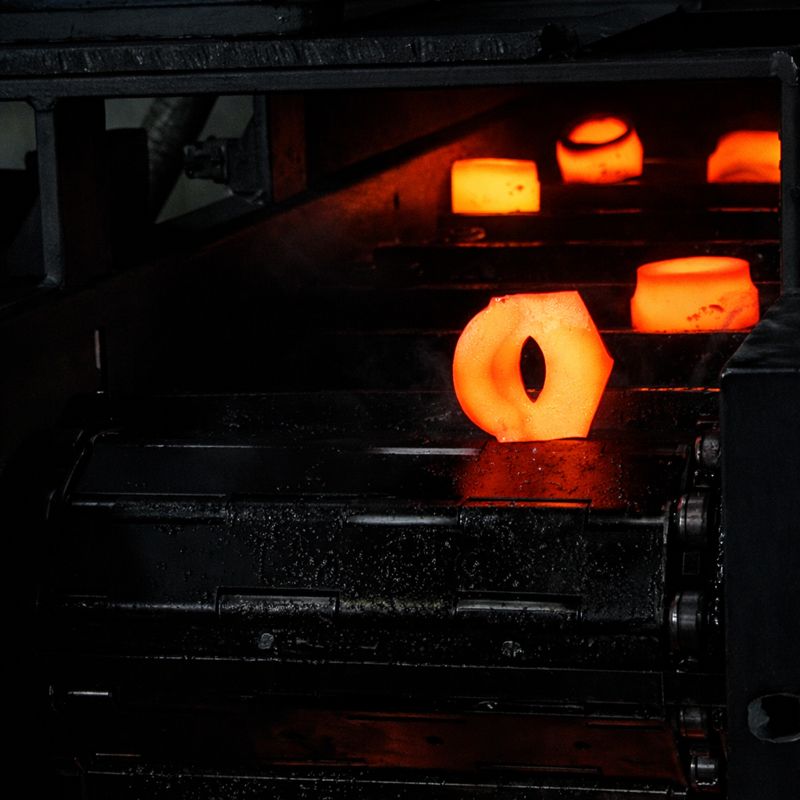
Weforging manufactures forged gears, gear shafts and transmission components through integrated hot forging, CNC machining, heat treatment and inspection processes.
✔ Forged Ring Gears and Gear Blanks
✔ Forged Gear Shafts for Industrial Transmissions
✔ Closed-Die & Open-Die Forging Capability
✔ CNC Machining, Gear Cutting & Heat Treatment
✔ CMM, UT/MT Inspection & Material Traceability
Forged Gear Components We Manufacture
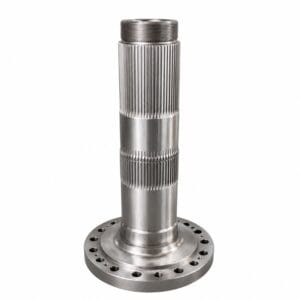
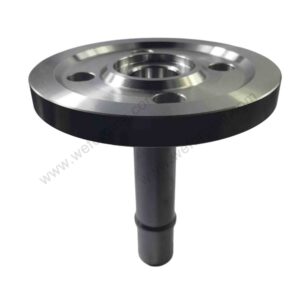
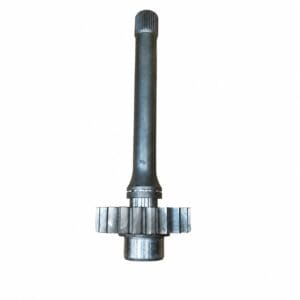
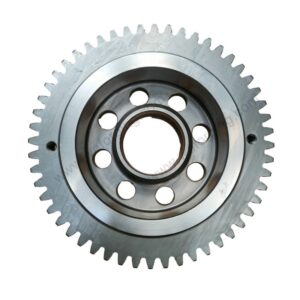
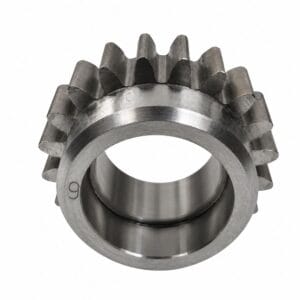
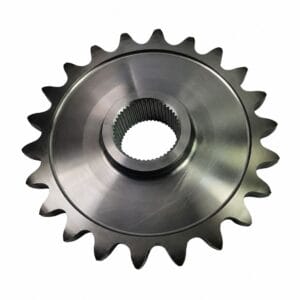
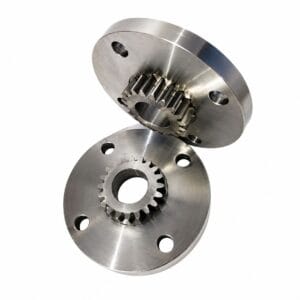
Weforging supplies custom forged gear components manufactured according to customer drawings, specifications and application requirements. Our capabilities cover gear forging, machining and finishing processes for industrial transmission applications.
- Gears and Shafts
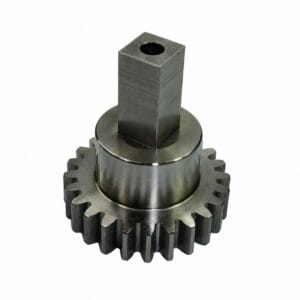
Forged Splined Shaft
- Gears and Shafts
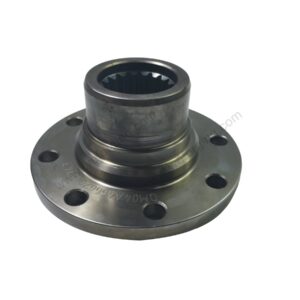
Forged Flanged Shaft
- Gears and Shafts
Forged Gear Shaft Components
- Gears and Shafts
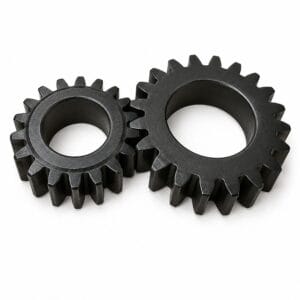
Forged External Spur Gears
- Gears and Shafts
Forged Spur Gears
- Gears and Shafts
Forged Sprocket Wheel
- Gears and Shafts
Forged Sun Gears for Planetary Systems
- Gears and Shafts
Forged Precision Gear Shafts
- Gears and Shafts
Forged Pinion Gear
- Gears and Shafts
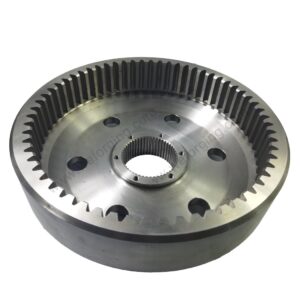
Forged Internal Ring Gears
- Gears and Shafts
Forged Flange Gear
Forged Gear Manufacturing Capabilities
Weforging provides integrated custom gear manufacturing and shaft manufacturing services for industrial transmission systems. Our production capabilities cover the complete process from raw material selection to final inspection.
| Capability | Range |
|---|---|
| Gear Types | Spur, Helical, Ring, Internal, Pinion, Planetary |
| Shaft Types | Splined, Gear, Input, Output, Transmission |
| Materials | 42CrMo, 4140, 20CrMnTi, 8620, 17CrNiMo6 |
| Forging Process | Closed-Die & Open-Die Forging |
| Heat Treatment | Q&T, Carburizing, Induction Hardening |
| Gear Machining | Hobbing, Shaping, Grinding |
| CNC Machining | Turning, Milling, Drilling |
| Inspection | CMM, UT, MT, Hardness Testing |
| Production Volume | Prototype to Mass Production |
Forged Gear Manufacturing Process
Every forged gear component follows a controlled manufacturing process to achieve consistent mechanical properties, dimensional accuracy and long-term reliability.
1. Material Verification
Raw materials are inspected and verified before production begins.
2. Hot Forging
Forging refines the internal grain structure and improves mechanical properties.
Material properties are optimized according to application requirements.
4. Rough Machining
Excess material is removed while maintaining process allowances.
5. Gear Hobbing or Gear Shaping
Gear teeth are generated according to specified geometry.
6. Gear Grinding
Critical gear surfaces are finished to improve accuracy and surface quality.
Final machining ensures dimensional compliance and assembly fit.
8. Inspection and Testing
Dimensional, material, and non-destructive inspections are performed before shipment.
Materials for Forged Gear Components
Material selection directly affects gear strength, wear resistance and service life. We select suitable alloy steels according to load conditions, operating environment and heat treatment requirements.
Common materials:
42CrMo / 4140 Steel
Suitable for:
- High-strength gears
- Transmission components
- Heavy-duty applications
20CrMnTi
Commonly used for:
- Carburized gears
- Wear-resistant applications
18CrNiMo7-6
Suitable for:
- High-load gears
- Industrial transmission systems
4340 Steel
Used for:
- High-strength shafts
- Heavy-duty components
Gear Forging Quality Control and Inspection
Consistent quality is essential for forged gears used in demanding industrial applications. Our inspection system covers material verification, dimensional control and mechanical testing.
Our inspection system includes:
Material Verification
- Chemical composition analysis
- Material certificates
- Heat number traceability
Dimensional Inspection
- CMM measurement
- Precision measurement tools
Mechanical Testing
- Hardness testing
- Metallographic analysis
Non-Destructive Testing
- Ultrasonic testing
- Magnetic particle testing
These controls ensure each forged gear component meets customer requirements.
Applications of Forged Gear Components
Our forged gears and shafts are used in:
Mining Equipment
Components requiring:
- High impact resistance
- Long service life
- Heavy-load capability
Industrial Transmission Systems
Including:
- Gearboxes
- Drive systems
- Mechanical transmission equipment
Renewable Energy Equipment
Including:
- Wind power systems
- Large industrial machinery
Construction Equipment
Components designed for:
- High loads
- Continuous operation
- Harsh environments
Why Choose Weforging as Your Gear Manufacturer
Choosing the right manufacturing partner is critical for transmission components that require strength, reliability and consistent performance.
Key advantages:
✓ Integrated forging and CNC machining production
✓ Strong grain structure for heavy-load applications
✓ Heat treatment and inspection capability
✓ OEM customization from prototype to mass production
✓ Material traceability and production documentation
✓ Engineering support for manufacturing optimization
Weforging supports global OEM customers with reliable production processes, technical communication and consistent component quality.
Need Custom Gears or Shafts for Your Project?
Whether you require forged gears, precision machined shafts, or complete transmission components, our engineering team is ready to review your drawings and provide manufacturing recommendations.
Send your drawings today for a fast technical review and quotation.