Please enable JavaScript in your browser to complete this form.

Forged Cylinder Liner for Heavy-Duty Engines

A cylinder liner is one of the most critical wear components inside diesel and gas engines. For OEM buyers in heavy machinery and marine industries, choosing the right engine cylinder liner directly affects power efficiency, fuel consumption, and long-term maintenance cost. Compared with cast components, a forged cylinder sleeve for diesel engine provides higher structural integrity and longer lifespan under high temperature, pressure, and vibration.
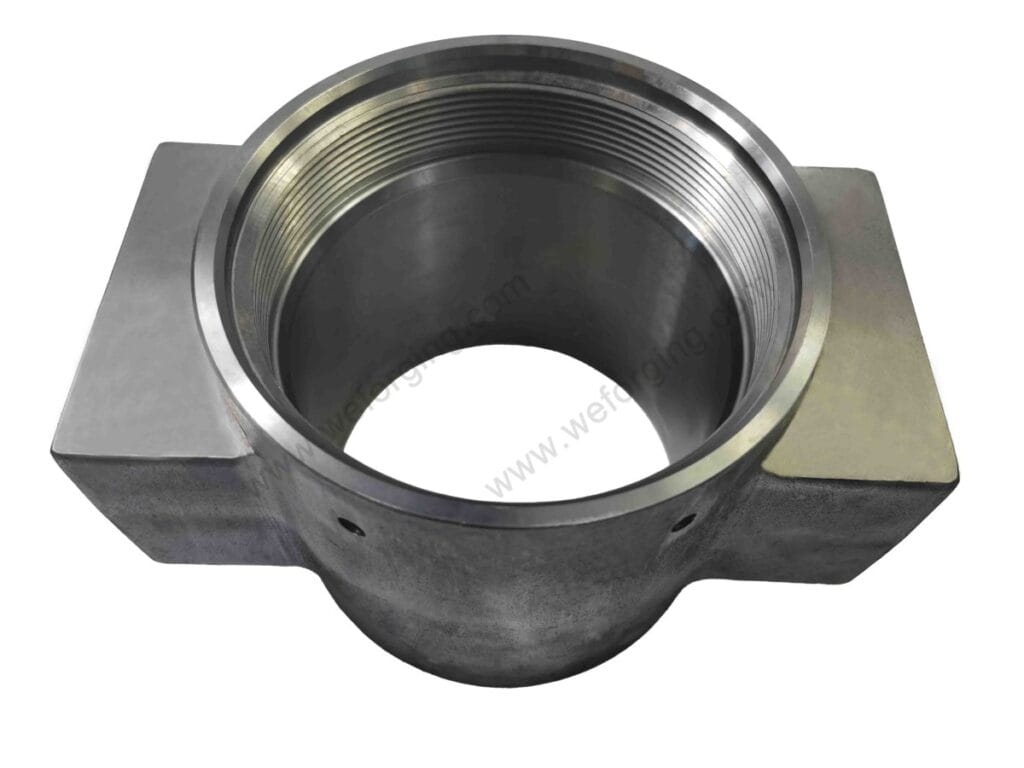
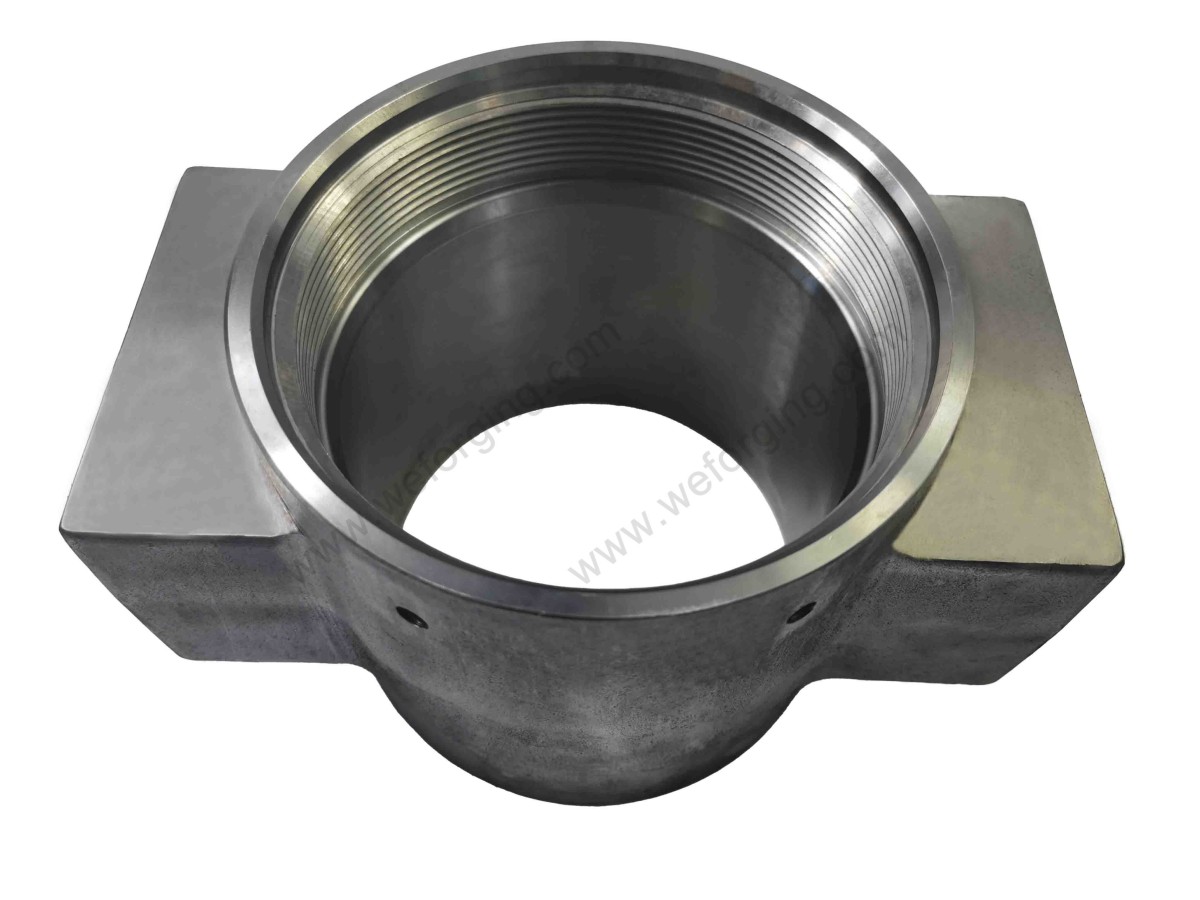
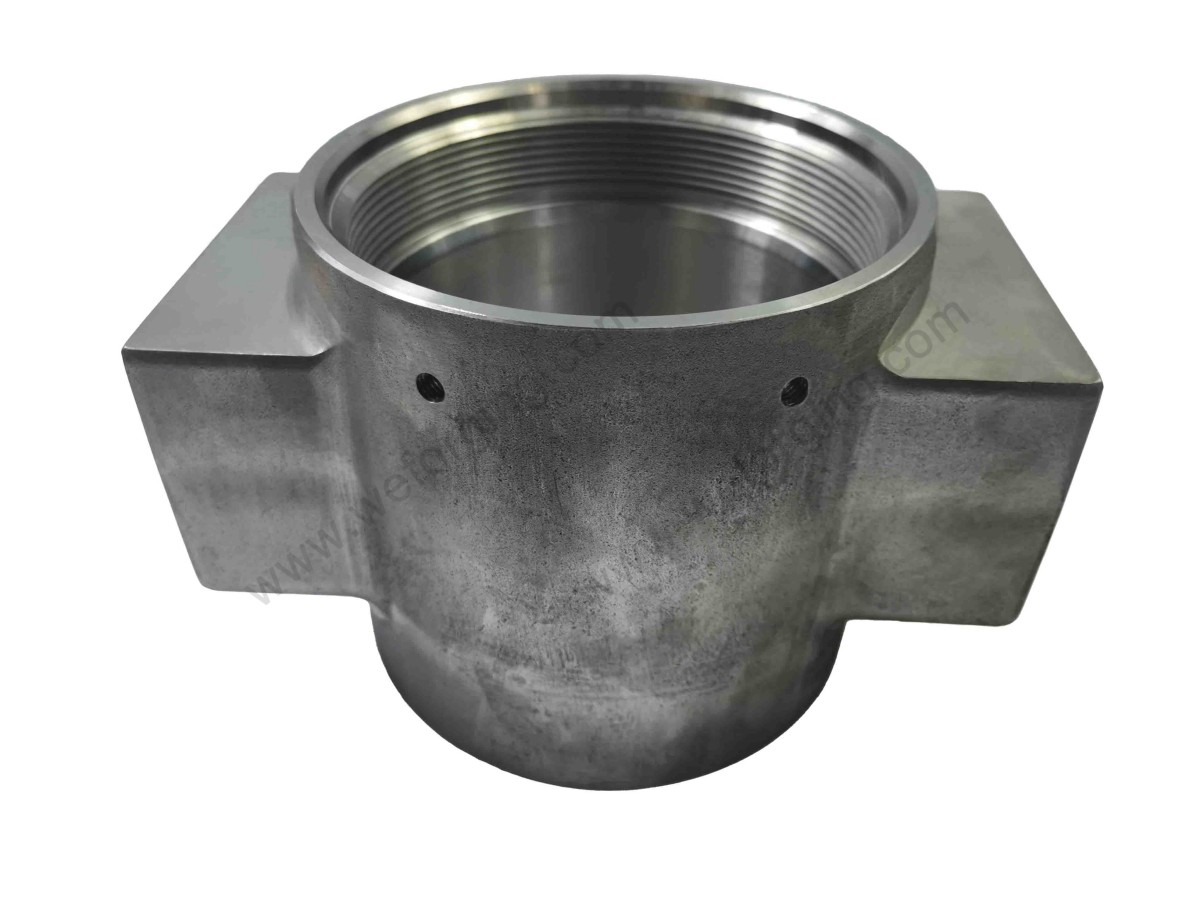
Forged cylinder liner for diesel engine showing precision internal threads and high-strength structure

What Is a Cylinder Liner?

A cylinder liner, also known as a cylinder sleeve, is a removable wear-resistant insert positioned inside the cylinder block. Its role is not only to provide a smooth sliding surface for the piston but also to isolate the engine body from friction, heat, and combustion pressure. In modern industrial engines, the cylinder liner is no longer a consumable part—it is a precision load-bearing and sealing component that directly determines engine efficiency and service life.

Manufacturing Process & Performance

Forged cylinder liners are produced through a multi-stage manufacturing process that optimizes both structural integrity and surface precision. This process ensures durability under extreme operating conditions — particularly in engines with high compression ratios or continuous heavy-duty cycles.

Key Manufacturing Stages

  1. Forging & Metal Flow Direction Control
    Unlike cast liners, forged cylinder liners undergo controlled deformation. This process aligns the internal metal grain flow and eliminates casting defects such as porosity and shrinkage. The result is a dense, high-strength structure capable of withstanding cyclic stress and thermal expansion.

  2. Precision CNC Machining
    After forging, the liner is rough and finish machined using CNC equipment to ensure dimensional accuracy and optimize geometry for piston fitment.

  3. Deep-Hole Boring & Honing
    The internal bore undergoes deep-hole boring followed by precision honing. This step achieves a mirror-grade surface roughness of Ra ≤ 0.4 μm, ensuring smooth piston movement, improved ring sealing, and reduced heat/friction.

  4. Optional Induction Hardening
    For enhanced wear resistance, the inner bore can be induction-hardened to HRC 55–62. This treatment maintains a hard, wear-resistant surface while preserving resilience in the liner’s body for thermal shock absorption.

Core Advantages of Forged Cylinder Liners

Superior Structural Integrity – Forged grain flow eliminates porosity and weak spots found in cast liners.

High Fatigue Strength – Withstands long-term cyclic pressure in diesel engine combustion chambers.

Dimensional Stability – Maintains roundness and wall thickness accuracy under thermal expansion.

Extended Service Life – Reduced risk of piston scuffing and cylinder wall wear.

Custom Hardening Options – Bore hardness up to HRC 55–62 without brittleness.

Enhanced Sealing Reliability – Keeps piston ring sealing performance stable over thousands of cycles.

Typical Applications

  • Diesel & Gas Engines – Automotive, off-highway, construction machinery powertrains

  • Marine Propulsion Systems – Ship engines and auxiliary generators

  • Hydraulic Cylinder Sleeves – High-pressure industrial hydraulic systhydraulic cylinder sleevesems

  • Air Compressors & Reciprocating Pumps – Continuous operation under high thermal load

  • Power Generation Equipment – Generator sets, CHP units, industrial engines

  • Mining & Agricultural Machinery – Long-cycle heavy-duty diesel power units

Technical Specifications

ParameterSpecification
Material42CrMo / 38CrNiMoA / GGG50 (ductile iron)
HardnessHRC 28–36 (body) / 55–62 (bore, optional)
RoughnessRa ≤ 0.4 μm (honed finish)
ToleranceIT6–IT8 (precision tolerance class)
NDT100% Ultrasonic Test

OEM Custom Capability

We support full customization based on drawings or samples, including material grade, heat treatment, tolerance class, coating, and laser marking. Serial numbers and QR traceability codes are available for engine rebuild projects.

Conclusion

At Weforging, our forged cylinder liners are engineered to perform under the toughest working conditions — from high-compression diesel engines to industrial hydraulic systems. With over 20 years of forging and CNC machining expertise, we deliver reliable, high-precision components trusted by OEMs across heavy machinery, energy, marine, and power generation sectors.

Whether you’re looking for prototype quantities or long-term mass production, we offer full customization based on your drawing specifications — covering material selection, tolerance control, heat treatment, laser marking, and more.
📩 Contact us today for a fast quotation and technical support.

Forged Cylinder Liner for Heavy-Duty Engines

A cylinder liner is one of the most critical wear components inside diesel and gas engines. For OEM buyers in heavy machinery and marine industries, choosing the right engine cylinder liner directly affects power efficiency, fuel consumption, and long-term maintenance cost. Compared with cast components, a forged cylinder sleeve for diesel engine provides higher structural integrity and longer lifespan under high temperature, pressure, and vibration.

Forged cylinder liner for diesel engine showing precision internal threads and high-strength structure

What Is a Cylinder Liner?

A cylinder liner, also known as a cylinder sleeve, is a removable wear-resistant insert positioned inside the cylinder block. Its role is not only to provide a smooth sliding surface for the piston but also to isolate the engine body from friction, heat, and combustion pressure. In modern industrial engines, the cylinder liner is no longer a consumable part—it is a precision load-bearing and sealing component that directly determines engine efficiency and service life.

Manufacturing Process & Performance

Forged cylinder liners are produced through a multi-stage manufacturing process that optimizes both structural integrity and surface precision. This process ensures durability under extreme operating conditions — particularly in engines with high compression ratios or continuous heavy-duty cycles.

Key Manufacturing Stages

  1. Forging & Metal Flow Direction Control
    Unlike cast liners, forged cylinder liners undergo controlled deformation. This process aligns the internal metal grain flow and eliminates casting defects such as porosity and shrinkage. The result is a dense, high-strength structure capable of withstanding cyclic stress and thermal expansion.

  2. Precision CNC Machining
    After forging, the liner is rough and finish machined using CNC equipment to ensure dimensional accuracy and optimize geometry for piston fitment.

  3. Deep-Hole Boring & Honing
    The internal bore undergoes deep-hole boring followed by precision honing. This step achieves a mirror-grade surface roughness of Ra ≤ 0.4 μm, ensuring smooth piston movement, improved ring sealing, and reduced heat/friction.

  4. Optional Induction Hardening
    For enhanced wear resistance, the inner bore can be induction-hardened to HRC 55–62. This treatment maintains a hard, wear-resistant surface while preserving resilience in the liner’s body for thermal shock absorption.

Core Advantages of Forged Cylinder Liners

Superior Structural Integrity – Forged grain flow eliminates porosity and weak spots found in cast liners.

High Fatigue Strength – Withstands long-term cyclic pressure in diesel engine combustion chambers.

Dimensional Stability – Maintains roundness and wall thickness accuracy under thermal expansion.

Extended Service Life – Reduced risk of piston scuffing and cylinder wall wear.

Custom Hardening Options – Bore hardness up to HRC 55–62 without brittleness.

Enhanced Sealing Reliability – Keeps piston ring sealing performance stable over thousands of cycles.

Typical Applications

  • Diesel & Gas Engines – Automotive, off-highway, construction machinery powertrains

  • Marine Propulsion Systems – Ship engines and auxiliary generators

  • Hydraulic Cylinder Sleeves – High-pressure industrial hydraulic systhydraulic cylinder sleevesems

  • Air Compressors & Reciprocating Pumps – Continuous operation under high thermal load

  • Power Generation Equipment – Generator sets, CHP units, industrial engines

  • Mining & Agricultural Machinery – Long-cycle heavy-duty diesel power units

Technical Specifications

ParameterSpecification
Material42CrMo / 38CrNiMoA / GGG50 (ductile iron)
HardnessHRC 28–36 (body) / 55–62 (bore, optional)
RoughnessRa ≤ 0.4 μm (honed finish)
ToleranceIT6–IT8 (precision tolerance class)
NDT100% Ultrasonic Test

OEM Custom Capability

We support full customization based on drawings or samples, including material grade, heat treatment, tolerance class, coating, and laser marking. Serial numbers and QR traceability codes are available for engine rebuild projects.

Conclusion

At Weforging, our forged cylinder liners are engineered to perform under the toughest working conditions — from high-compression diesel engines to industrial hydraulic systems. With over 20 years of forging and CNC machining expertise, we deliver reliable, high-precision components trusted by OEMs across heavy machinery, energy, marine, and power generation sectors.

Whether you’re looking for prototype quantities or long-term mass production, we offer full customization based on your drawing specifications — covering material selection, tolerance control, heat treatment, laser marking, and more.
📩 Contact us today for a fast quotation and technical support.
Forged Cylinder Liner for Heavy-Duty Engines

A cylinder liner is one of the most critical wear components inside diesel and gas engines. For OEM buyers in heavy machinery and marine industries, choosing the right engine cylinder liner directly affects power efficiency, fuel consumption, and long-term maintenance cost. Compared with cast components, a forged cylinder sleeve for diesel engine provides higher structural integrity and longer lifespan under high temperature, pressure, and vibration.

Forged cylinder liner for diesel engine showing precision internal threads and high-strength structure

What Is a Cylinder Liner?

A cylinder liner, also known as a cylinder sleeve, is a removable wear-resistant insert positioned inside the cylinder block. Its role is not only to provide a smooth sliding surface for the piston but also to isolate the engine body from friction, heat, and combustion pressure. In modern industrial engines, the cylinder liner is no longer a consumable part—it is a precision load-bearing and sealing component that directly determines engine efficiency and service life.

Manufacturing Process & Performance

Forged cylinder liners are produced through a multi-stage manufacturing process that optimizes both structural integrity and surface precision. This process ensures durability under extreme operating conditions — particularly in engines with high compression ratios or continuous heavy-duty cycles.

Key Manufacturing Stages

  1. Forging & Metal Flow Direction Control
    Unlike cast liners, forged cylinder liners undergo controlled deformation. This process aligns the internal metal grain flow and eliminates casting defects such as porosity and shrinkage. The result is a dense, high-strength structure capable of withstanding cyclic stress and thermal expansion.

  2. Precision CNC Machining
    After forging, the liner is rough and finish machined using CNC equipment to ensure dimensional accuracy and optimize geometry for piston fitment.

  3. Deep-Hole Boring & Honing
    The internal bore undergoes deep-hole boring followed by precision honing. This step achieves a mirror-grade surface roughness of Ra ≤ 0.4 μm, ensuring smooth piston movement, improved ring sealing, and reduced heat/friction.

  4. Optional Induction Hardening
    For enhanced wear resistance, the inner bore can be induction-hardened to HRC 55–62. This treatment maintains a hard, wear-resistant surface while preserving resilience in the liner’s body for thermal shock absorption.

Core Advantages of Forged Cylinder Liners

Superior Structural Integrity – Forged grain flow eliminates porosity and weak spots found in cast liners.

High Fatigue Strength – Withstands long-term cyclic pressure in diesel engine combustion chambers.

Dimensional Stability – Maintains roundness and wall thickness accuracy under thermal expansion.

Extended Service Life – Reduced risk of piston scuffing and cylinder wall wear.

Custom Hardening Options – Bore hardness up to HRC 55–62 without brittleness.

Enhanced Sealing Reliability – Keeps piston ring sealing performance stable over thousands of cycles.

Typical Applications

  • Diesel & Gas Engines – Automotive, off-highway, construction machinery powertrains

  • Marine Propulsion Systems – Ship engines and auxiliary generators

  • Hydraulic Cylinder Sleeves – High-pressure industrial hydraulic systhydraulic cylinder sleevesems

  • Air Compressors & Reciprocating Pumps – Continuous operation under high thermal load

  • Power Generation Equipment – Generator sets, CHP units, industrial engines

  • Mining & Agricultural Machinery – Long-cycle heavy-duty diesel power units

Technical Specifications

ParameterSpecification
Material42CrMo / 38CrNiMoA / GGG50 (ductile iron)
HardnessHRC 28–36 (body) / 55–62 (bore, optional)
RoughnessRa ≤ 0.4 μm (honed finish)
ToleranceIT6–IT8 (precision tolerance class)
NDT100% Ultrasonic Test

OEM Custom Capability

We support full customization based on drawings or samples, including material grade, heat treatment, tolerance class, coating, and laser marking. Serial numbers and QR traceability codes are available for engine rebuild projects.

Conclusion

At Weforging, our forged cylinder liners are engineered to perform under the toughest working conditions — from high-compression diesel engines to industrial hydraulic systems. With over 20 years of forging and CNC machining expertise, we deliver reliable, high-precision components trusted by OEMs across heavy machinery, energy, marine, and power generation sectors.

Whether you’re looking for prototype quantities or long-term mass production, we offer full customization based on your drawing specifications — covering material selection, tolerance control, heat treatment, laser marking, and more.
📩 Contact us today for a fast quotation and technical support.
Scroll to Top