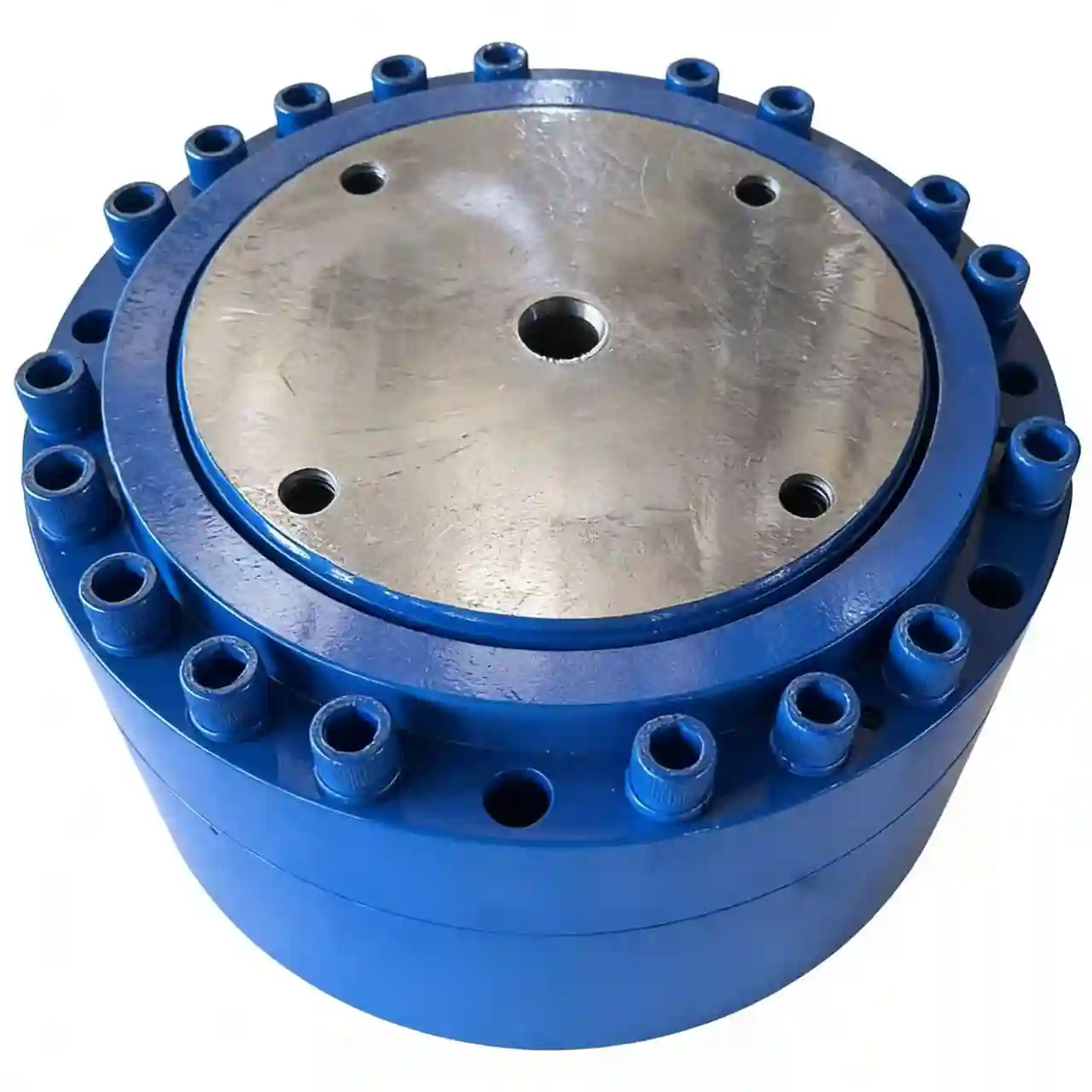
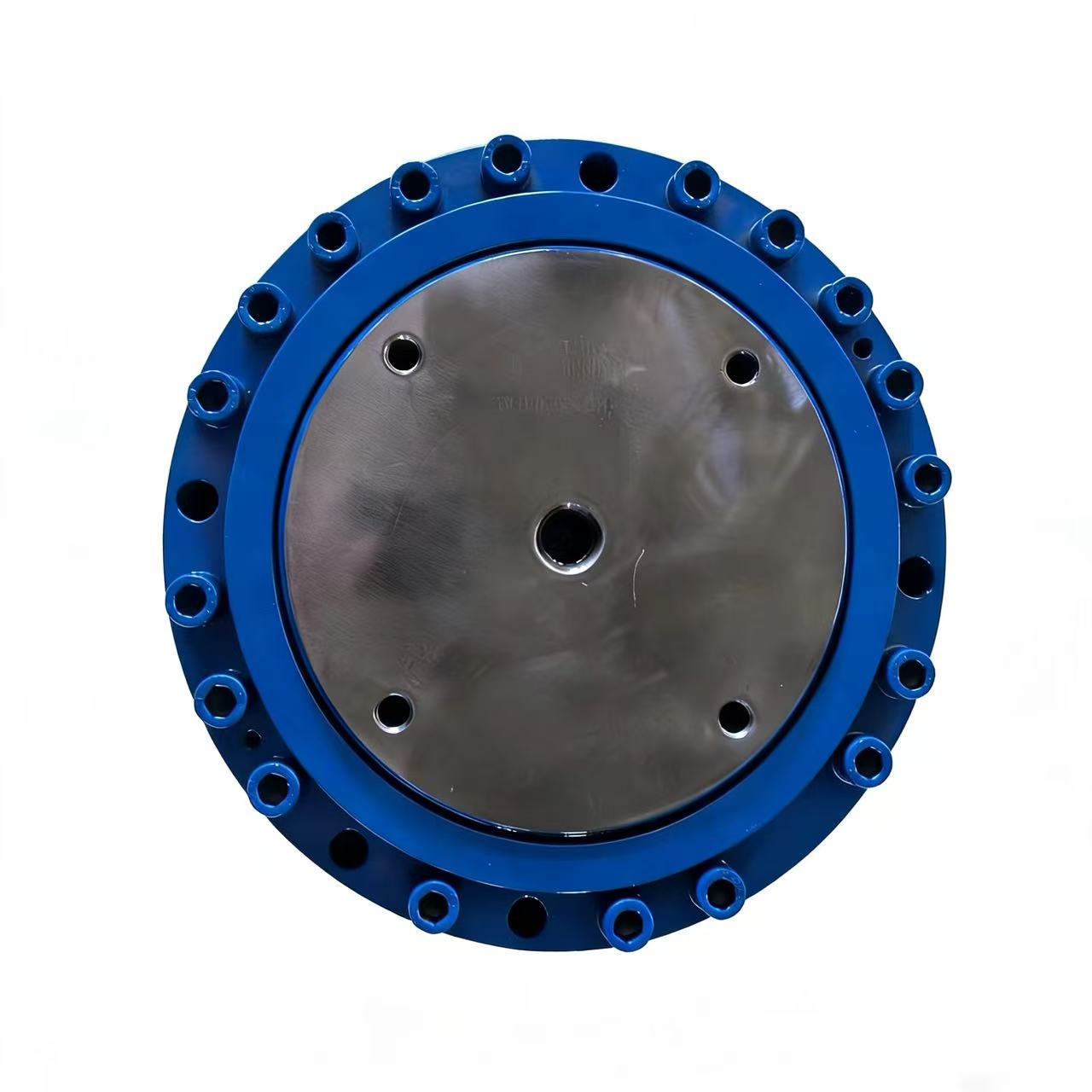
Hydraulic Rotary Actuators
Table of Contents
Custom Hydraulic Rotary Actuators for Industrial and OEM Equipment
A hydraulic rotary actuator converts hydraulic pressure into controlled rotational motion, delivering torque through a defined angle. Hydraulic rotary actuators are used in construction machinery, industrial automation and heavy equipment where compact installation and high torque are required.
Weforging manufactures custom hydraulic rotary actuators for OEM applications, combining forged load-bearing components, precision CNC machining, heat treatment and inspection. We supply machined components or assembled actuator units according to customer drawings and technical requirements.
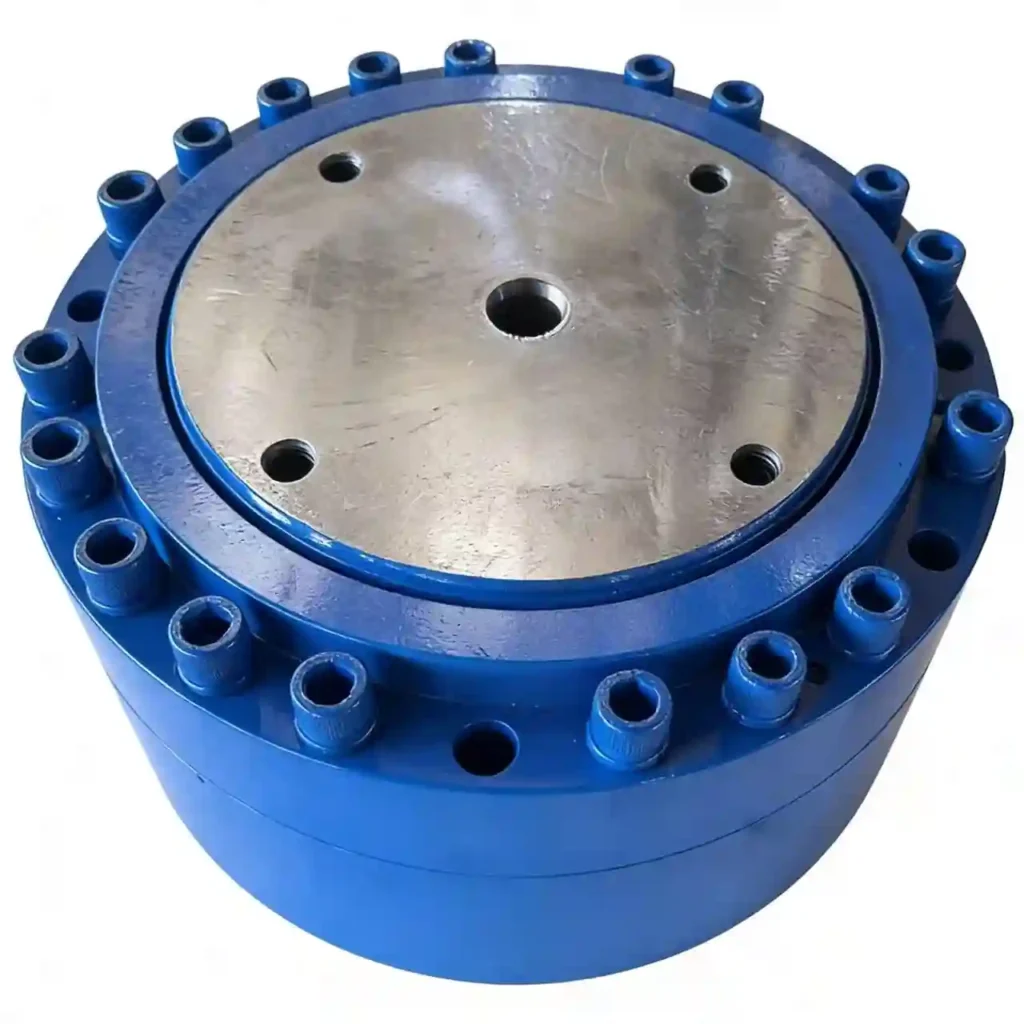
What Is a Hydraulic Rotary Actuator
A hydraulic rotary actuator is a device that uses pressurized hydraulic fluid to produce angular movement and torque. Unlike a hydraulic cylinder, which generates linear motion, a rotary actuator drives a shaft or connected mechanism through a specified rotation angle.
Most industrial designs use a vane, rack-and-pinion or helical spline mechanism. The appropriate configuration depends on torque demand, available installation space, rotation angle and operating conditions.
Hydraulic rotary actuators are commonly used for positioning, lifting, tilting and rotating heavy mechanical assemblies.
How Does a Hydraulic Rotary Actuator Work?
A hydraulic rotary actuator operates by directing pressurized hydraulic fluid into internal chambers. The resulting hydraulic force acts on a vane, piston or other moving element, generating rotational movement through the actuator mechanism.
The direction of rotation changes when hydraulic flow is redirected. Output torque depends on the pressure differential, internal geometry and mechanical efficiency.
Unlike a continuously rotating hydraulic motor, a limited-angle rotary actuator is designed to move between defined angular positions. Its operating characteristics must be matched to the load, speed and hydraulic circuit.
Types of Hydraulic Rotary Actuators
Hydraulic rotary actuators are available in several mechanical configurations. Each converts hydraulic energy into angular movement differently, affecting torque output, rotation range, internal loading and manufacturing requirements.
Type | Working Principle | Engineering Consideration |
|---|---|---|
Vane-Type | Hydraulic pressure acts on a vane connected to the output shaft | Sealing surfaces, chamber geometry and leakage control |
Rack-and-Pinion | Hydraulic pistons move a rack that rotates a pinion gear | Gear engagement, bearing support and tooth loading |
Helical Spline | Axial piston movement is converted into rotation through helical splines | Spline geometry, axial loading and alignment |
Vane-Type Hydraulic Rotary Actuators
Vane-type actuators use one or more vanes inside a housing to generate rotation. Their compact arrangement can suit applications with restricted installation space. Seal design, housing geometry and internal leakage are important considerations.
Rack-and-Pinion Hydraulic Rotary Actuators
Rack-and-pinion actuators convert piston movement into rotary motion through gear engagement. The gear teeth, output shaft and bearing interfaces must withstand repeated loading while maintaining alignment.
Helical Spline Hydraulic Rotary Actuators
Helical spline actuators use the interaction between axial movement and helical spline geometry to produce rotation. They require careful control of spline fit, load-bearing surfaces and the alignment of moving components.
Hydraulic Rotary Actuator Specifications
Hydraulic rotary actuators for OEM equipment are selected according to the load, hydraulic system and mounting arrangement. Weforging reviews customer drawings and technical requirements to determine the manufacturing scope and critical component specifications.
Specification | OEM Design Requirement |
|---|---|
Actuator Configuration | Vane, rack-and-pinion or helical spline, subject to project capability |
Output Torque | Required torque and load conditions |
Rotation Angle | Specified angular travel |
Operating Pressure | Working and maximum pressure requirements |
Operating Temperature | Application temperature range |
Materials | Carbon steel, alloy steel or specified materials |
Mounting Interface | Flange, shaft, bolt pattern and connection dimensions |
Sealing Requirements | Hydraulic fluid, pressure, temperature and seal geometry |
Surface Treatment | According to corrosion and application requirements |
Inspection | Material verification, dimensional and geometric inspection |
Delivery Scope | Machined components or assemblies as agreed |
Actual specifications depend on the actuator design and approved OEM drawings. Standard torque, pressure and rotation-angle ratings should not be assumed without confirmation.
Hydraulic Rotary Actuator Design and Manufacturing
Weforging manufactures hydraulic rotary actuators through an integrated, controlled production process designed to support consistent performance and dimensional accuracy:
Forged structural components
Key load-bearing parts are produced using hot forging to achieve uniform material flow and stable internal structure, supporting reliable torque transmission.Precision CNC machining
Machining operations are applied to critical interfaces, internal profiles, and mounting surfaces to ensure accurate geometry and controlled tolerances.Heat treatment (as required)
Processes such as quenching and tempering or normalizing are selected based on application requirements to support balanced mechanical properties.Surface finishing and protection
Surface treatments are applied to meet corrosion resistance and appearance requirements for industrial operating environments.Inspection and quality verification
Dimensional checks and functional inspections are conducted to confirm alignment with drawings and technical specifications before delivery.
Customization Options
Weforging provides custom hydraulic rotary actuators based on customer drawings or technical specifications. Customization options include torque range, rotation angle, operating pressure, mounting interface, port configuration, and sealing system. Products can be supplied as fully assembled units or matched components for OEM integration.
Hydraulic Rotary Actuator Applications
Hydraulic rotary actuators are commonly used in industrial and mobile equipment where controlled rotational motion is required:
Construction machinery: Rotation control for attachments, clamps, and positioning mechanisms
Industrial automation: Actuation of rotary tables, fixtures, and indexing systems
Energy and power equipment: Valve actuation and controlled rotation in auxiliary systems
Heavy-duty equipment: Torque-driven rotation in material handling and mechanical assemblies
Why Choose Weforging as Your Hydraulic Rotary Actuator Manufacturer
Designed around real operating conditions
Hydraulic rotary actuators are developed based on actual load, duty cycle, and installation requirements.Integrated manufacturing process
Forging, machining, and inspection are aligned within one system to support dimensional consistency and stable quality.Flexible OEM delivery options
Components can be supplied as semi-finished parts or fully assembled actuator units based on integration needs.Early engineering coordination
Materials, torque capacity, and mounting interfaces are defined collaboratively during the initial project stage.
Conclusion & Inquiry
Weforging’s hydraulic rotary actuators are designed for industrial systems that require controlled rotation, stable torque output, and reliable long-term operation. Whether for standard designs or customized solutions, our team supports efficient manufacturing and technical coordination.
Contact us with your drawings or specifications for a free technical review. Suggestion and quotation support is typically provided within 24 hours.
What is a hydraulic rotary actuator used for?
What is the difference between a hydraulic rotary actuator and a hydraulic motor?
What determines hydraulic rotary actuator torque?
Can hydraulic rotary actuators be customized for OEM equipment?
What information is required for a custom hydraulic rotary actuator quotation?
Related products
-
Gears and Shafts
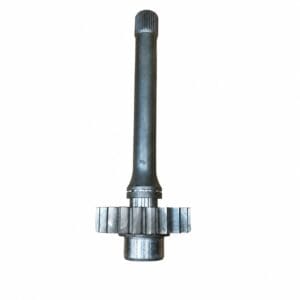
Forged Gear Shaft Components
-
Rolled Ring Forgings
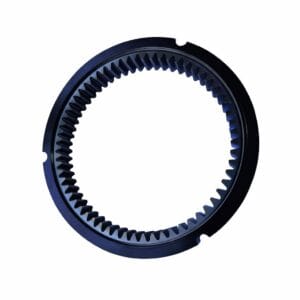
Forged Ring Gears
-
Rolled Ring Forgings
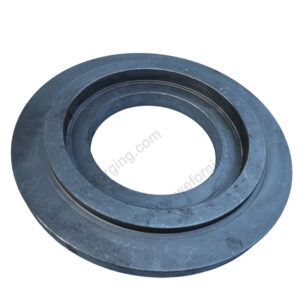
Slewing Bearing Forged Rings
-
CNC Machining Parts
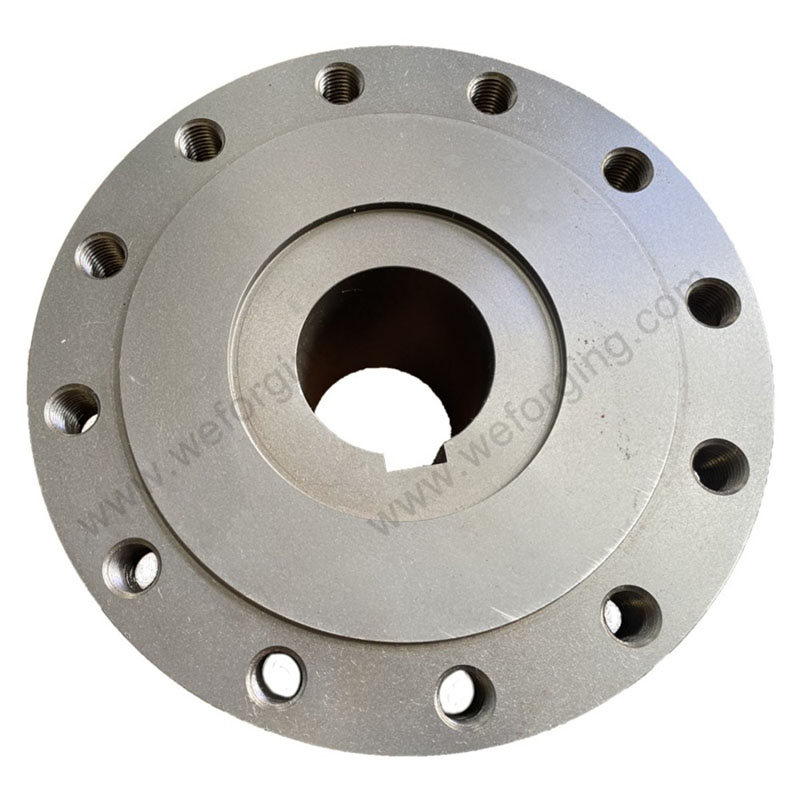
Forged Flange Coupling Hubs