Gears and Shafts Manufacturing – Forged & CNC Machined

Gears and shafts are critical transmission components used in industrial machinery, heavy equipment, and precision drive systems. Their performance directly affects load capacity, accuracy, efficiency, and service life. Weforging specializes in manufacturing high-strength gears and shafts through an integrated forging and CNC machining workflow designed for OEM reliability.

By combining hot forging, controlled heat treatment, and precision machining, we ensure stable grain structure, dimensional accuracy, and repeatable batch consistency. Our gears and shafts are engineered for demanding environments where strength, wear resistance, and alignment precision are essential. From prototype development to high-volume production, we support global manufacturers with custom gear solutions built for long-term mechanical performance.

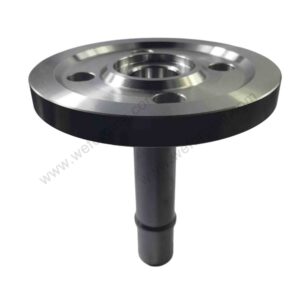
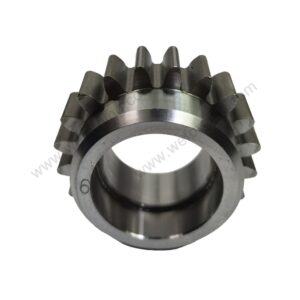
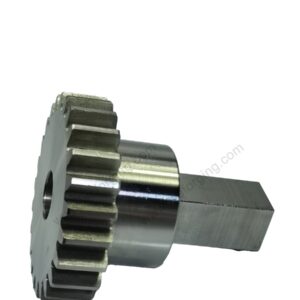
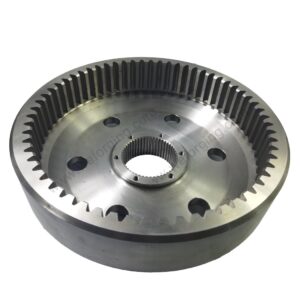
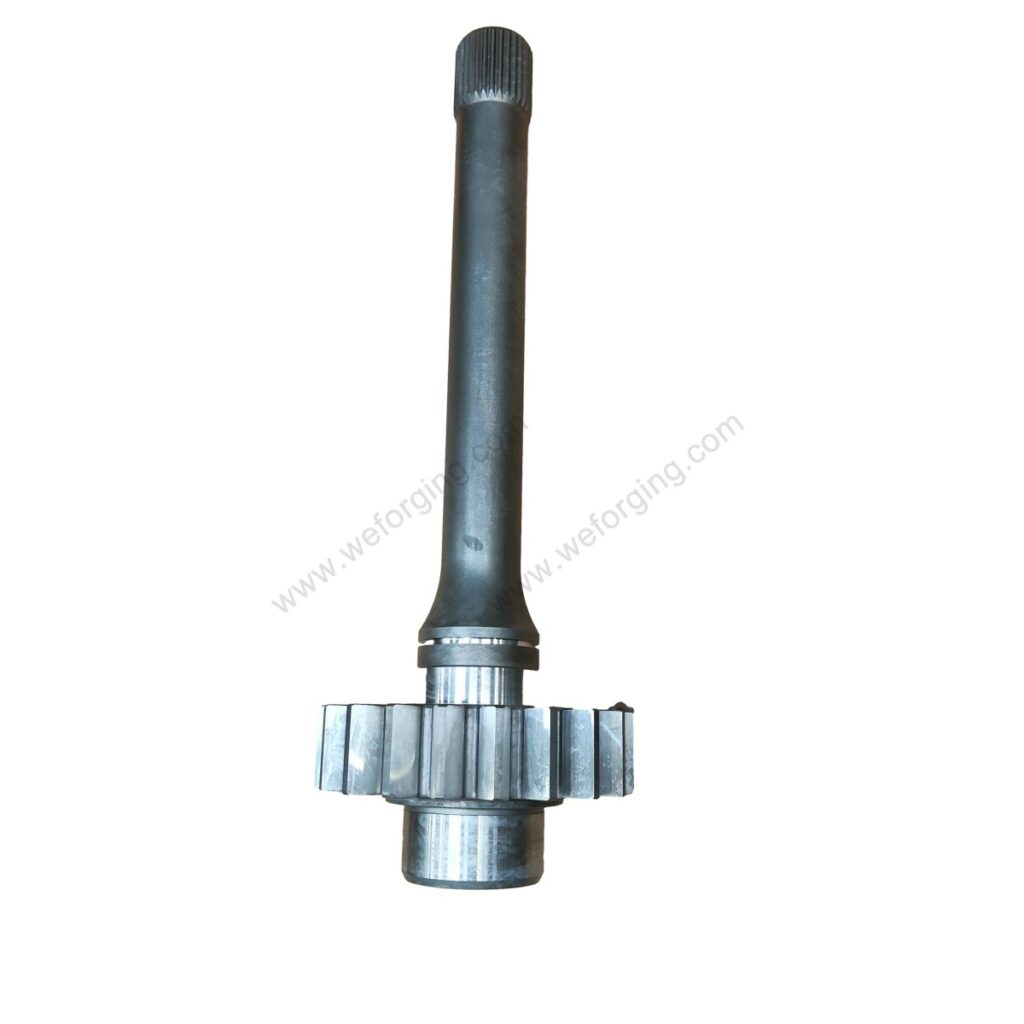
forged gear shaft with integrated gear for heavy-duty transmission by Weforging

What Are Gears and Shafts?

Gears and shafts are the core mechanical elements that transmit motion and torque inside industrial drive systems. A gear converts rotational energy, while a shaft stabilizes alignment and carries mechanical load. Together, they determine efficiency, durability, and vibration behavior of a transmission system.

In high-performance machinery, gears and shafts must resist fatigue, shock load, and thermal variation without losing dimensional accuracy. Forged structures improve internal grain flow, increasing strength and fatigue life. Precision CNC machining ensures concentricity, tooth accuracy, and stable engagement.

Modern industrial gears and shafts are engineered not only for strength, but also for repeatable production quality. Consistent geometry across batches is critical for OEM equipment reliability.

Types of Industrial Gears and Shaft Components

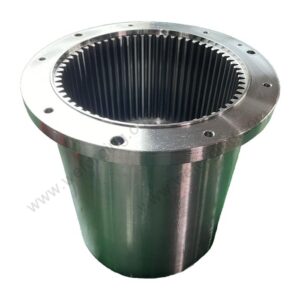
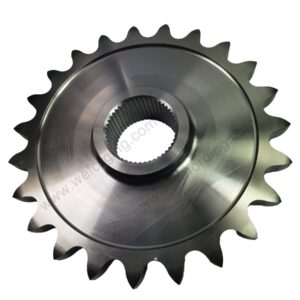
Industrial transmission systems require different gear and shaft configurations based on torque, speed, and application environment. Weforging manufactures a wide range of precision gear components:

Each component demands specific forging pressure, machining tolerance, and heat treatment strategy. Material behavior and structural stress must be balanced during design to prevent early wear or failure.

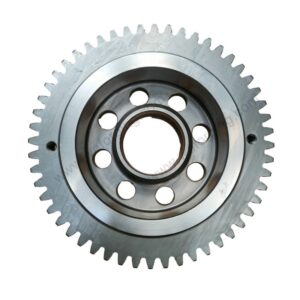
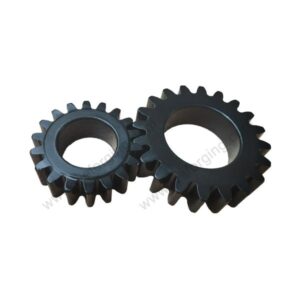
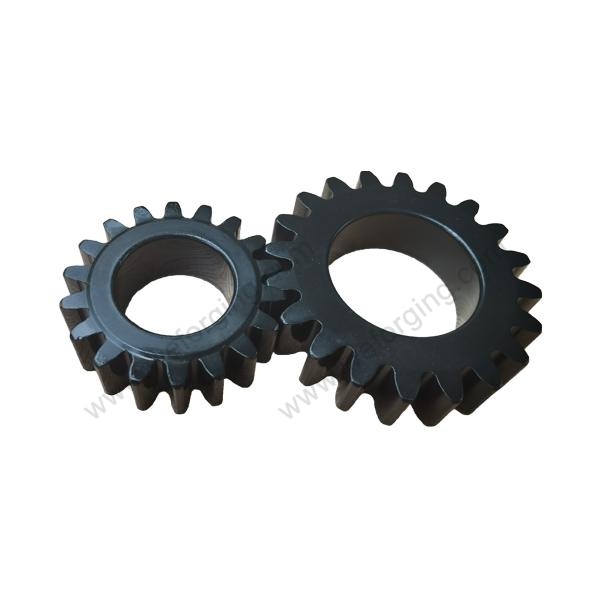
Precision-ground pinion gear with helical teeth for smooth power transmission
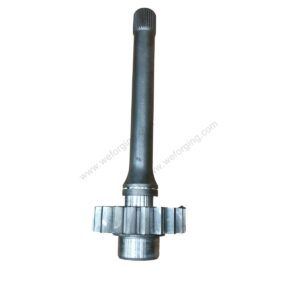
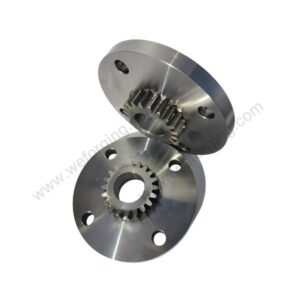
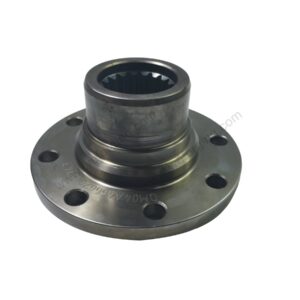
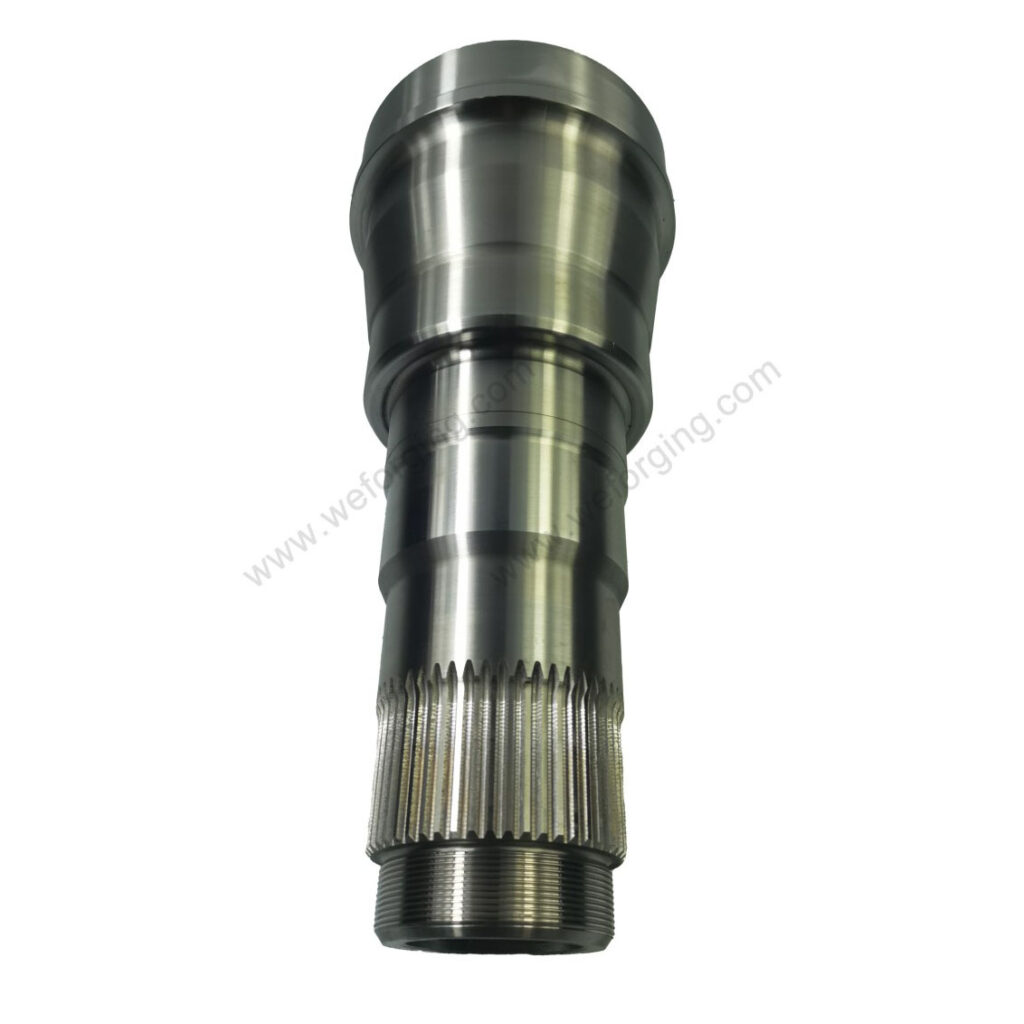
Precision forged splined shaft with CNC machined grooves and polished surface

Forged vs Machined Gears and Shafts

Forging and machining are not competing methods — they serve different structural roles.

Forged gears and shafts provide:

  • Continuous grain flow

  • Higher impact resistance

  • Reduced internal defects

  • Superior fatigue life

CNC machining provides:

  • Tight tolerance control

  • Tooth geometry precision

  • Surface finish stability

  • Complex shape capability

Weforging integrates forging and machining into one workflow. Near-net forging creates structural strength, while CNC finishing guarantees dimensional accuracy. This dual-control system combines mechanical durability with precision performance.

Custom Gear and Shaft Manufacturing Process

A vertically integrated process ensures total quality control:

  1. Material certification and inspection

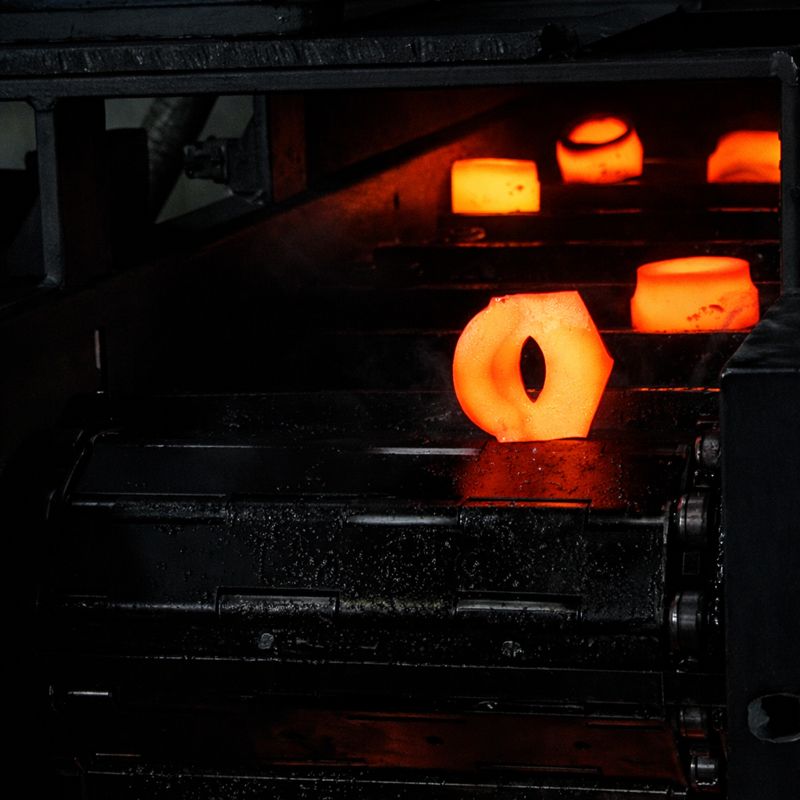
  2. Billet heating under controlled temperature

  3. Hot forging to refine grain structure

  4. Rough machining

  5. Heat treatment

  6. Precision CNC machining

  7. Gear hobbing and grinding

  8. Surface finishing

  9. Final dimensional and NDT inspection

This workflow maintains traceability and repeatable performance across production batches.

Materials Used in Gear and Shaft Production

Material selection defines mechanical limits. Common steels include:

  • 42CrMo / 4140 alloy steel

  • 38CrNiMoA high-strength steel

  • 20CrMnTi carburizing steel

  • Stainless steels

  • Custom alloy grades

Each material is matched with a heat treatment strategy to balance hardness and toughness.

Applications of Gears and Shafts

Applications include:

  • Construction and mining equipment

  • Industrial automation

  • Wind energy transmission

  • Robotics

  • Marine propulsion

  • Heavy transport machinery

These industries demand long service life under high load.

Quality Control and Inspection Standards

Quality control is essential for gears and shafts because transmission parts work under constant mechanical stress. Small defects can cause vibration, wear, or early failure. Weforging uses a multi-stage inspection system to guarantee stable performance and batch consistency.

Our inspection standards include:

  • Ultrasonic testing for internal defects

  • Magnetic particle inspection for surface cracks

  • Hardness testing after heat treatment

  • CMM dimensional measurement

  • Gear tooth profile analysis

  • Surface roughness verification

  • Full material traceability documentation

Every gear and shaft is inspected according to OEM specifications and international industrial standards. Inspection data is recorded for quality audits and export compliance.

Reliable inspection reduces downtime risk and ensures long service life in real operating environments.

Why Choose Weforging as Your Gear Manufacturer

Choosing the right gear manufacturer affects reliability, maintenance cost, and equipment lifespan. Weforging operates a fully integrated system combining forging, machining, heat treatment, and inspection.

Key advantages:

  • Forging + CNC machining dual-control production

  • High-strength grain structure for heavy load use

  • Precision tolerance control

  • OEM customization from prototype to mass production

  • ISO-certified workflow

  • Scalable production capacity

  • Stable batch consistency

  • Engineering support

We focus on lifecycle performance, not short-term cost savings. Our gears and shafts are built for long-term industrial reliability.

Weforging supports global OEM clients with export-ready documentation and responsive engineering communication.

Conclusion

Reliable gears and shafts are the foundation of stable transmission systems. Strength, precision, and batch consistency determine long-term equipment performance. Weforging combines forging strength with CNC machining accuracy to deliver components engineered for demanding industrial environments.

We support OEM manufacturers with custom gear and shaft solutions, from prototype development to high-volume production. Every project is backed by strict quality control, engineering communication, and export-ready documentation.

If you are sourcing high-performance gears and shafts, our team is ready to review your drawings and provide a fast technical response.

What is the difference between forged and machined gear shafts?

Forged gear shafts have continuous grain flow created during hot forging, which improves fatigue resistance and impact strength. Machined shafts provide high dimensional precision but lack forged structural reinforcement. Combining forging and CNC machining delivers both strength and accuracy, making forged gears and shafts more reliable in heavy industrial applications.

What material is best for industrial gears and shafts?

The best material depends on load and operating conditions. Alloy steels such as 42CrMo, 4140, and 20CrMnTi are commonly used for industrial gears and shafts because they balance strength, wear resistance, and heat treatment stability. Proper material selection combined with forging improves lifespan and performance under high mechanical stress.

Why are forged gears and shafts stronger than cast components?

Forging aligns the internal grain structure with the shape of the component, eliminating internal voids and improving structural density. This directional grain flow increases fatigue resistance and shock strength compared to cast parts. Forged gears and shafts perform better in high-load transmission systems where reliability is critical.
Scroll to Top