
Choosing Manufacturing Methods for Hydraulic Cylinder Components
Heavy-duty hydraulic systems operate under continuous cyclic stress, vibration, and impact loading. Hydraulic cylinder components used in mining equipment and construction machinery often face fatigue cracking, repeated maintenance, and costly downtime after long-term operation.
As operating pressures continue increasing, many OEMs are reevaluating traditional cast hydraulic cylinder components. While casting remains suitable for some moderate-load applications, forged hydraulic cylinder components are becoming more common in critical load-bearing areas where long-term reliability matters more.
This article compares common manufacturing methods for hydraulic cylinder components and explains why many heavy-duty applications are gradually shifting from casting to forging.
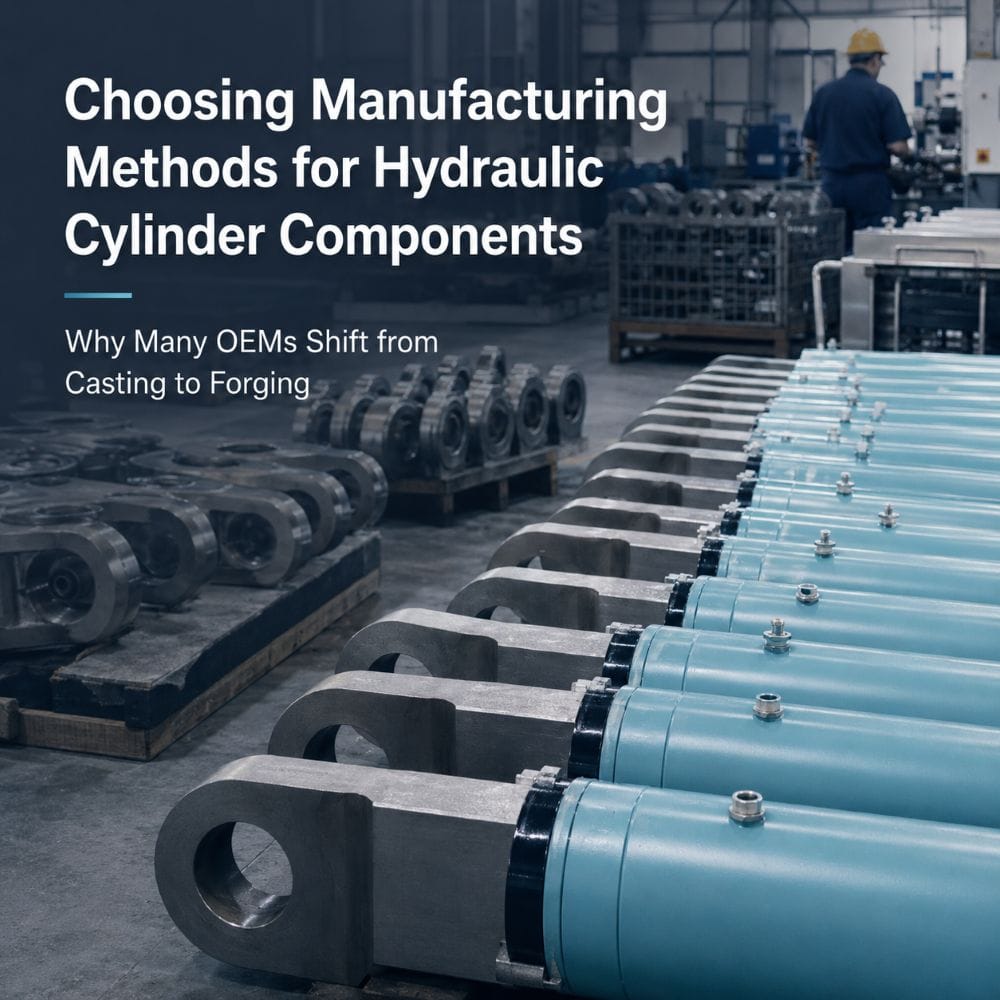
Common Manufacturing Methods for Hydraulic Cylinder Components
Several manufacturing methods are commonly used for hydraulic cylinder components. Each process has different advantages depending on operating conditions, structural requirements, and production cost targets.
The most common methods include:
- Casting
- Forging
- Welded fabrication
- Machining from bar stock
Casting is often used for complex shapes and cost-sensitive projects. Welded fabrication is common in large structural assemblies. Machined parts offer good dimensional precision for low-volume production.
However, forged hydraulic cylinder components are increasingly preferred in heavy-duty applications because they provide better fatigue resistance and more consistent internal structure.
Why Hydraulic Components Shift from Casting to Forging
In moderate-load applications, cast components may perform well for many years. However, under continuous cyclic stress and impact loading, the limitations of cast structures become more noticeable.
Common concerns with cast hydraulic cylinder components include:
- Internal porosity
- Stress concentration
- Fatigue cracking
- Structural inconsistency
As equipment becomes larger and operating pressure increases, many OEMs are gradually replacing cast components with forged hydraulic cylinder components in critical load-bearing areas.
This trend is especially common in:
- Mining equipment
- Excavators
- Hydraulic presses
- Heavy construction machinery
Common Failure Problems in Cast Hydraulic Components
Many hydraulic cylinder component failures are not caused by sudden overload. Instead, they develop gradually after long-term fatigue loading.
Typical failure problems in cast hydraulic components include:
- Cracking around transition areas
- Fatigue failure under cyclic stress
- Weld repair cracking
- Internal defects exposed during machining
For example, cast clevises and mounting bases may crack after repeated loading cycles, especially in heavy-duty hydraulic systems exposed to vibration and impact loads.
In many cases, the initial crack is small, but continuous stress gradually expands the damaged area until structural failure occurs.
Why Fatigue Resistance Matters in Heavy-Duty Applications
In heavy-duty hydraulic systems, many failures are caused by long-term cyclic loading rather than sudden overload. Hydraulic cylinder components used in mining equipment and construction machinery are constantly exposed to:
- Vibration
- Impact stress
- Repeated movement
- Heavy operating loads
Over time, these conditions can gradually lead to fatigue cracking and unexpected downtime.
High-stress areas are especially vulnerable, including:
- Hydraulic clevis connections
- Mounting points
- Rod ends
Once small cracks begin to expand, maintenance frequency and repair costs usually increase quickly. This is one reason why many OEMs pay close attention to fatigue resistance when selecting heavy-duty hydraulic cylinder components.
Compared with cast structures, forged hydraulic cylinder components generally provide better grain flow continuity and improved long-term reliability under repeated loading conditions.
Where Forged Components Perform Better
Forged hydraulic cylinder components are commonly used in applications where long-term reliability and fatigue resistance are critical. In heavy-duty hydraulic systems, components are often exposed to cyclic loading, vibration, and repeated impact stress during operation.
Compared with cast structures, forging generally provides:
- Better grain flow continuity
- Improved impact resistance
- Higher fatigue strength
- More consistent internal structure
These advantages are especially important in mining equipment, construction machinery, and other heavy-duty applications where unexpected downtime can lead to high maintenance costs and production loss.
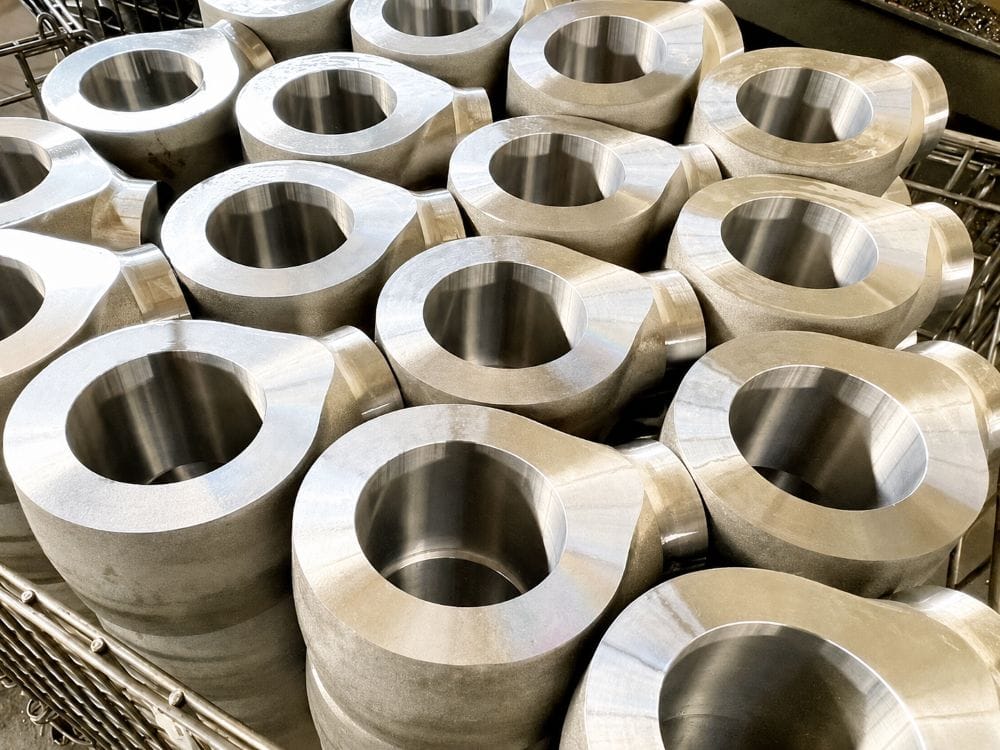
Forged vs Cast Hydraulic Cylinder Components
Both forging and casting are widely used for hydraulic cylinder components, but they are designed for different operating conditions and performance priorities.
Comparison Area | Forged Components | Cast Components |
Fatigue Resistance | Better for long-term cyclic loading | More suitable for moderate-load operation |
Impact Performance | Handles shock loads more effectively | More sensitive to impact stress |
Internal Structure | More consistent grain flow | Possible internal porosity |
Cracking Risk | Lower risk in high-stress areas | Higher risk under repeated loading |
Production Cost | Higher initial manufacturing cost | Lower cost for large-volume production |
Typical Applications | Mining equipment, heavy machinery | Cost-sensitive or moderate-load systems |
In practice, many OEMs use both methods depending on component stress levels and operating conditions.
Hydraulic Cylinder Components Commonly Forged
Not every hydraulic cylinder component requires forging. However, several critical structural parts are commonly upgraded from casting to forging in heavy-duty applications.
Components commonly forged include:
- Piston rods
- Hydraulic clevises
- Rod ends
- Cylinder end caps
- Mounting components
These parts are frequently exposed to bending stress, vibration, impact loading, and continuous cyclic operation. As operating pressures continue increasing, forged hydraulic cylinder components are becoming more common in critical load-bearing areas.
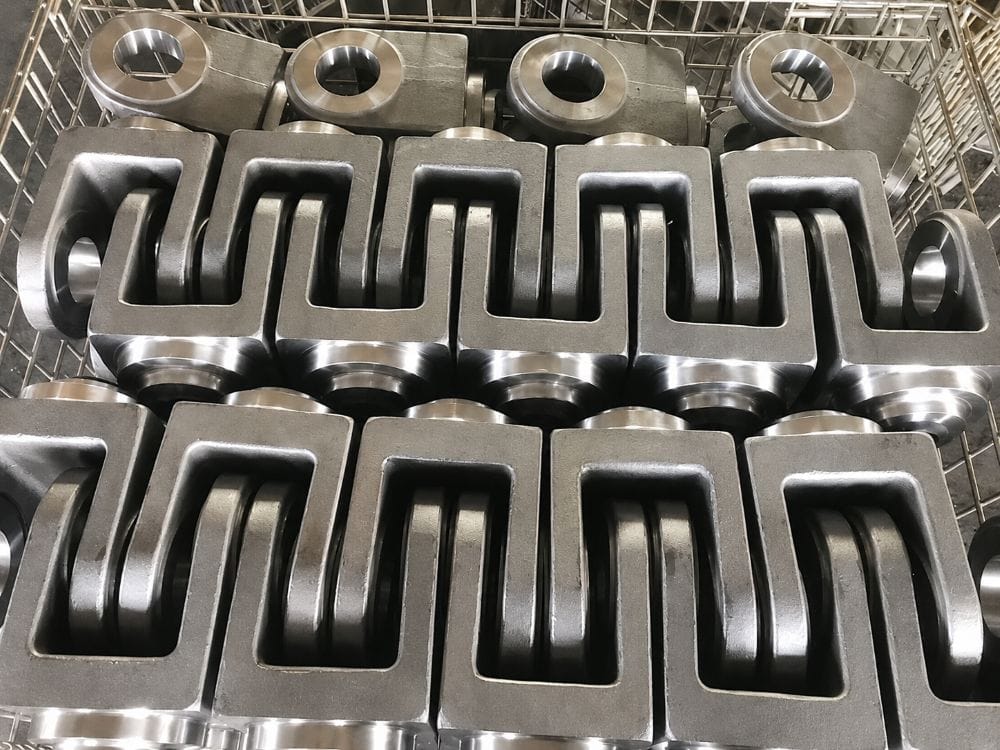
When Welded Structures Still Make Sense
Although forged hydraulic cylinder components offer advantages in heavy-duty applications, welded structures still remain practical in many situations.
Welded fabrication is often suitable for:
- Large structural assemblies
- Prototype projects
- Moderate-load applications
- Cost-sensitive designs
In some cases, welded structures also provide greater flexibility during product development.
However, weld quality and fatigue performance still require careful attention, especially in components exposed to repeated stress cycles.
How OEMs Choose Manufacturing Methods
For OEMs in mining, construction, and heavy industrial sectors, manufacturing method selection directly affects equipment reliability and maintenance cost.
When choosing hydraulic cylinder components, many companies focus on:
- Fatigue life
- Structural consistency
- Maintenance frequency
- Downtime risk
- Long-term operating cost
In recent years, forged hydraulic cylinder components have become increasingly common in heavy-duty hydraulic systems where long service life and reliability are critical.
Conclusion
Different hydraulic cylinder components require different manufacturing methods. Casting, forging, welding, and machining all remain suitable depending on operating loads, structural requirements, and cost targets.
However, in heavy-duty applications exposed to cyclic loading, vibration, and impact stress, many OEMs are gradually shifting critical hydraulic cylinder components from casting to forging to improve fatigue resistance and long-term reliability.
If you are evaluating manufacturing options for hydraulic cylinder components, feel free to contact us with your drawings or application requirements. We are happy to provide a free quotation and discuss suitable manufacturing solutions for your project.