
What Is a Flange? Types, Uses & Manufacturing Guide
A flange is a mechanical component designed to connect and secure pipes, valves, equipment, and other industrial parts. It creates a reliable connection between components through bolted joints, allowing easier assembly, alignment, inspection, and maintenance.
Industrial flanges are widely used in piping systems, heavy machinery, energy equipment, and OEM applications. Different flange designs are selected based on factors such as application requirements, material selection, pressure ratings, and operating conditions.
For demanding industrial applications, forged flanges are often preferred due to their material consistency, strength, and structural reliability. Understanding flange types, manufacturing processes, and selection considerations helps engineers and procurement teams choose suitable solutions for their projects.

What Is a Flange?
A flange is a flat, circular, or specially shaped component used to create a detachable connection between two parts. Unlike permanent joining methods such as welding, flange connections allow components to be assembled and separated when inspection, repair, or replacement is required.
In industrial applications, flanges are commonly used to connect:
- Pipes and pipelines
- Valves and pumps
- Pressure equipment
- Mechanical assemblies
- Structural components
A typical flange connection consists of two flange faces, bolts, and sealing elements such as gaskets. When properly assembled, the bolted connection provides stable positioning and helps prevent leakage under different operating conditions.
The design of a flange depends on application requirements, including pressure level, temperature, load conditions, material compatibility, and installation environment.
How Flanges Work in Mechanical and Piping Systems
Flanges work by joining two components with bolts and sealing elements. The bolts provide clamping force between the flange faces, while gaskets help prevent leakage between connected parts.
A flange connection allows equipment to be assembled and removed when inspection or maintenance is required. This makes flanges widely used in piping systems and industrial machinery.
For industrial applications, flange performance also depends on manufacturing accuracy. Features such as bolt hole position, sealing surface flatness, and bore dimensions must meet design requirements to ensure proper assembly.
Common Types of Industrial Flanges
Industrial flanges are available in multiple designs to suit different piping systems, load conditions, and maintenance requirements. Selecting the appropriate flange type helps support reliable connections, efficient installation, and long-term system performance. Below are some of the most commonly used industrial flange types and their typical characteristics.
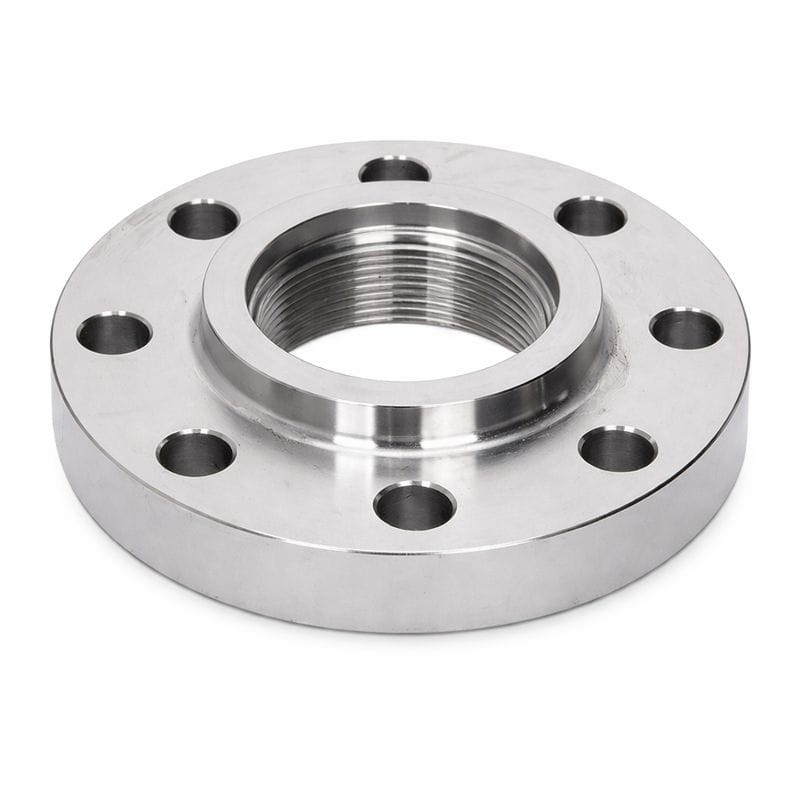
Threaded Flanges
Threaded flanges feature internal threads that connect directly to externally threaded pipes or fittings. This design supports installation without welding, making it suitable for low-pressure applications or locations where welding is impractical.
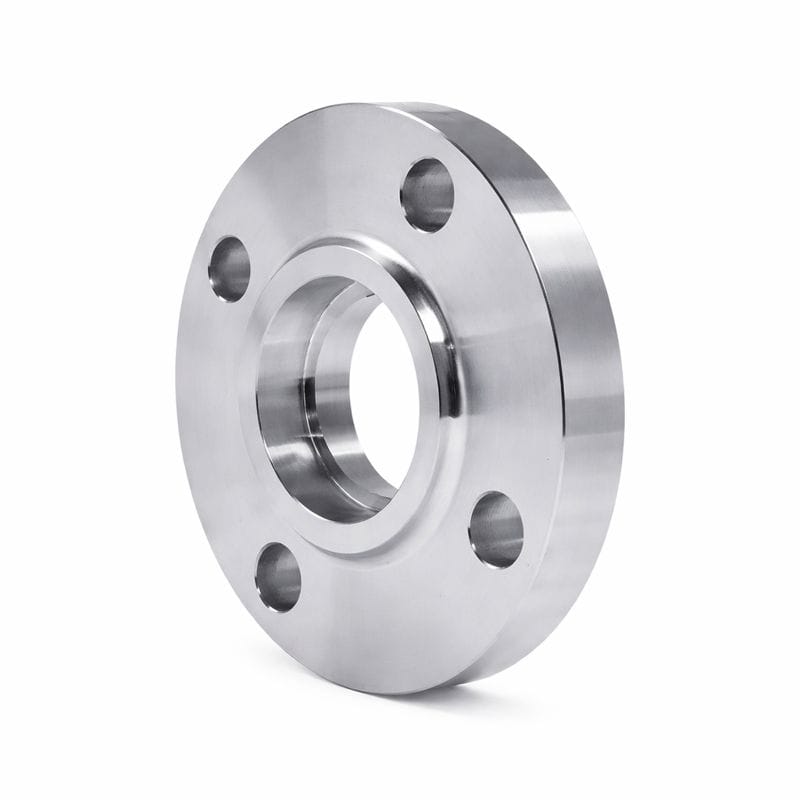
Socket-Weld Flanges
Socket-weld flanges are designed for small-diameter piping systems. The pipe is inserted into the flange socket and secured with a fillet weld, supporting smooth flow characteristics and reliable alignment in moderate service conditions.
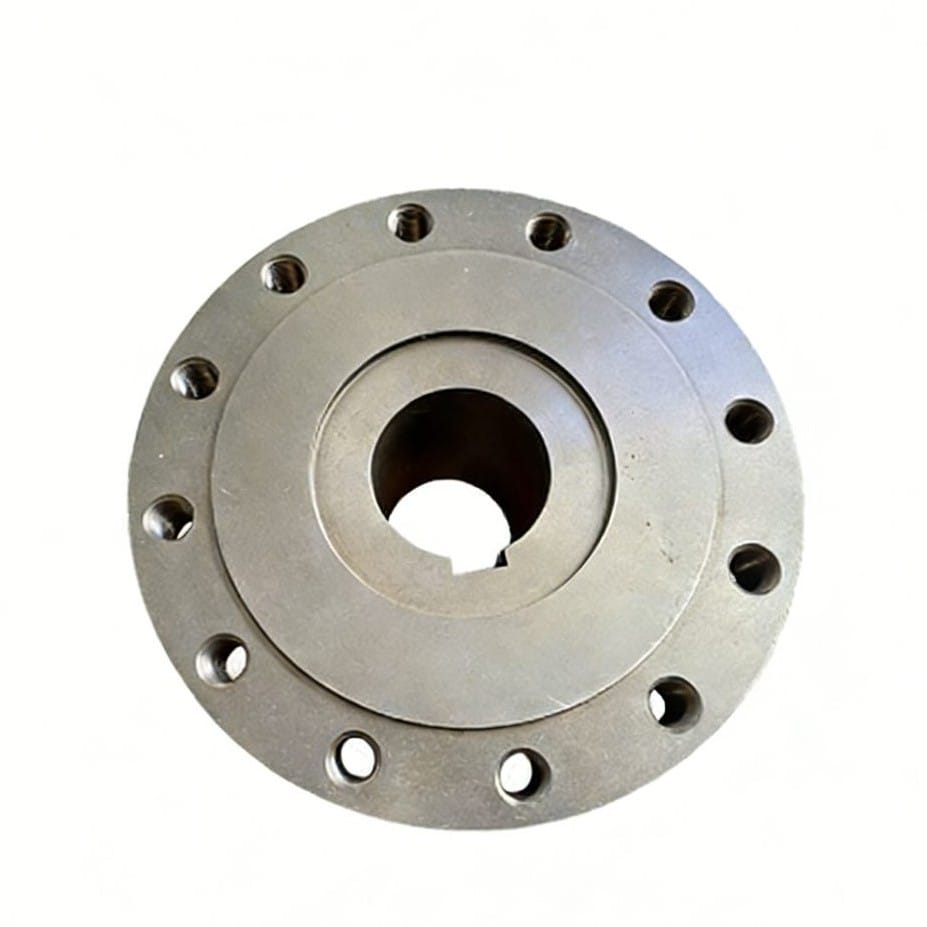
Slip-On Flanges
Slip-on flanges slide over the pipe and are welded on both sides to secure the connection. Their simple structure and broad size availability make them a common choice for general industrial piping systems.
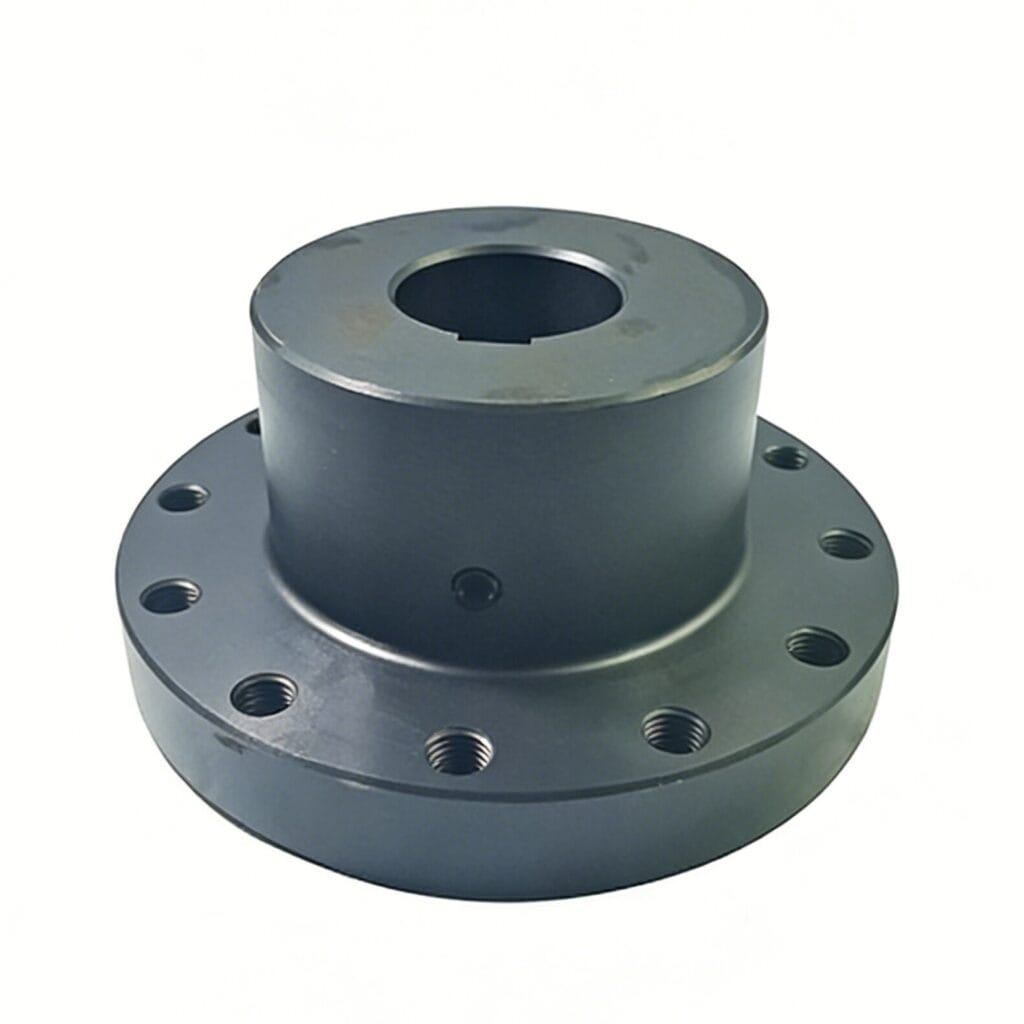
Weld Neck Flanges
Weld neck flanges feature a long tapered hub that provides smooth stress distribution from the pipe to the flange. They are commonly used in higher-pressure, higher-temperature, or heavy-duty applications requiring enhanced structural integrity.
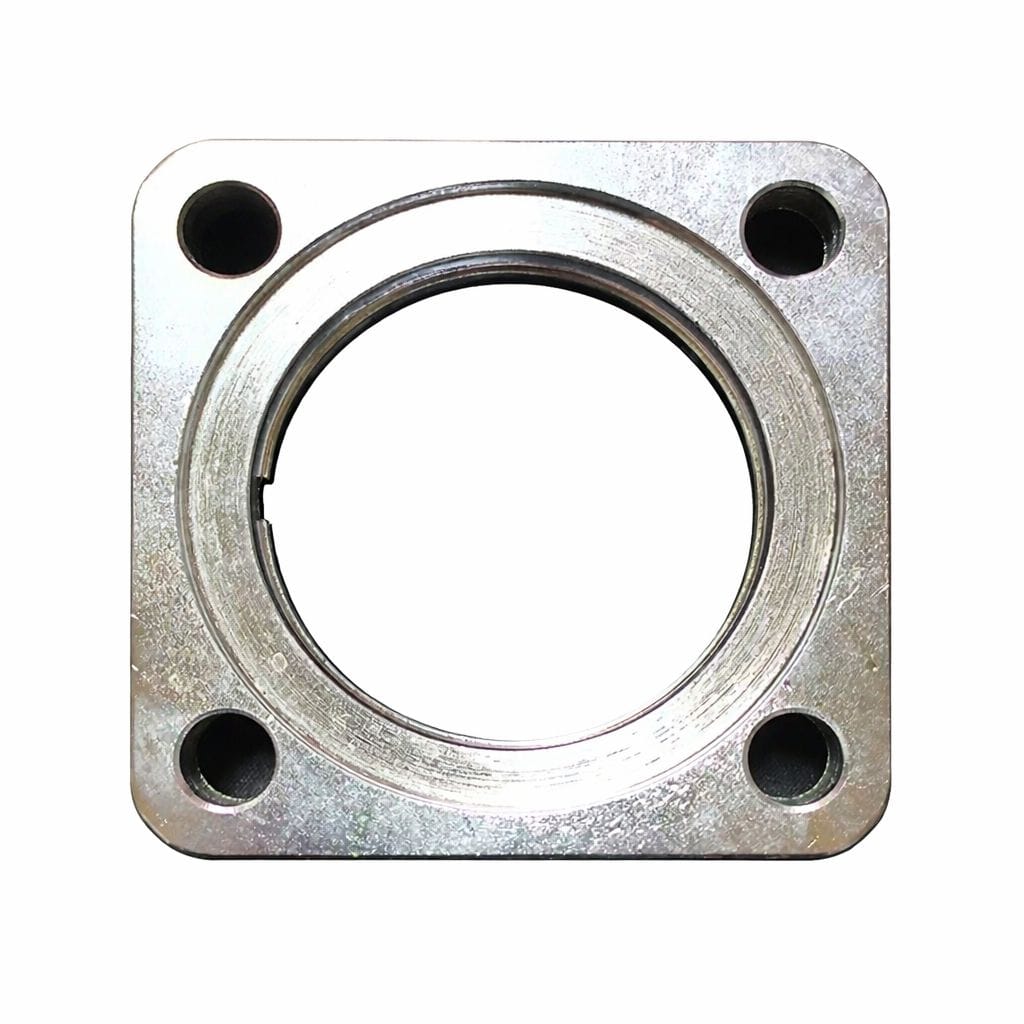
Square Flanges
Square flanges have a square outer profile instead of a circular shape. They are commonly used in structural connections, machinery frames, and equipment interfaces where alignment with flat or rectangular components is required.
This design supports stable mounting and even bolt load distribution, and square flanges are often manufactured as custom components to match specific installation and load conditions.
Blind Flanges
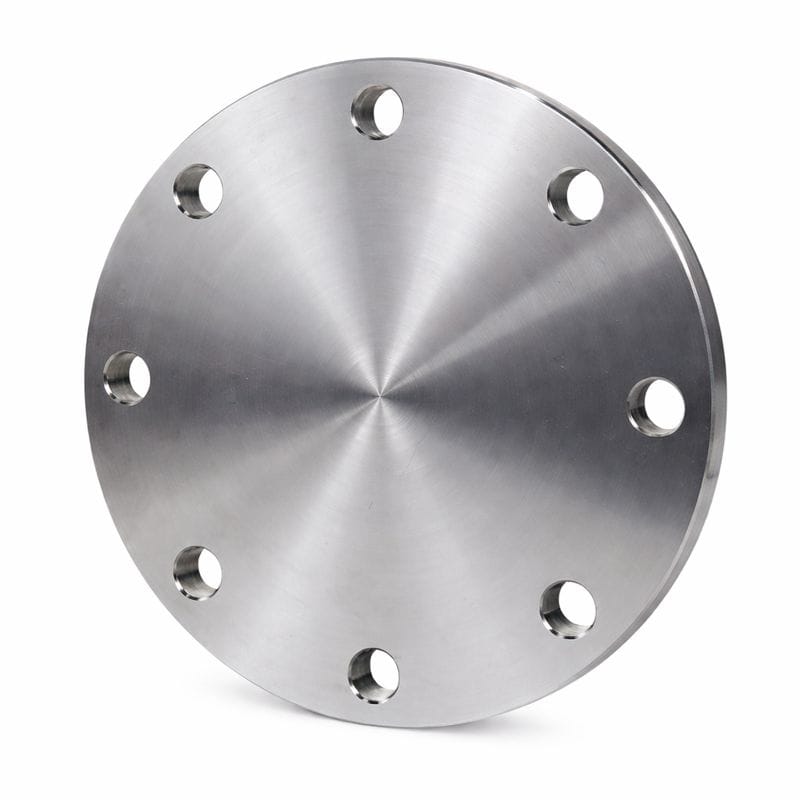
Blind flanges are solid discs used to close the end of piping systems or pressure vessels. They support system isolation and allow for future expansion, inspection, or modification.
How Are Industrial Flanges Manufactured?
Industrial flanges are manufactured through a series of coordinated processes designed to meet application requirements, dimensional accuracy, and applicable standards. The specific manufacturing route depends on material selection, flange type, and service conditions.
Typical flange manufacturing steps include:
- Material preparation
Carbon steel, alloy steel, or stainless steel is selected based on pressure rating, temperature range, and application environment. - Forming of flange blanks
Flange blanks are produced through forging, machining from plate or bar, or other forming methods depending on size and performance requirements. For heavy-duty and OEM applications, forging is commonly used to support material consistency. - CNC machining
Machining operations define critical features such as outer diameter, bolt holes, bore size, and sealing surfaces to meet drawing specifications. - Heat treatment and surface finishing (as required)
Heat treatment or surface finishing may be applied to align mechanical properties and surface condition with service requirements. - Inspection and verification
Dimensional inspection and material verification are conducted to ensure compliance with applicable standards and design documentation.
This structured manufacturing approach helps support reliable assembly, consistent performance, and compatibility across industrial systems.
Flange Sizes, Pressure Ratings, and Standards
Beyond flange type selection, flange size, pressure rating, and applicable standards play a key role in ensuring proper fit, system compatibility, and stable long-term operation. Flange dimensions must match the piping interface accurately, while pressure ratings define the allowable operating limits under specific temperature and load conditions.
Key flange size considerations include:
- Outside diameter (OD)
The overall diameter of the flange face, affecting installation clearance and mating compatibility. - Flange thickness
Related to structural strength and pressure rating requirements. - Bolt circle diameter (BCD)
The center-to-center distance between opposing bolt holes, ensuring correct alignment during assembly. - Pipe size and nominal bore
Defines internal flow diameter and connection compatibility with the piping system.
Flange classification and pressure ratings
Flanges are commonly classified based on their pressure–temperature performance range, which helps engineers select suitable components for specific operating conditions. These classifications are typically expressed using numerical pressure classes.
Common pressure classes include:
- 150#
- 300#
- 600#
- 900#
- 1500#
- 2500#
Actual allowable pressure depends on material grade, flange design, and operating temperature. As temperature increases, pressure limits are adjusted according to standard reference tables.
Applicable flange standards
Industrial flanges are produced according to internationally recognized standards to support global application consistency and sourcing coordination. Common standards include:
- ASME / ANSI– widely used in North America
- DIN / EN– commonly applied in European systems
- ISO– supporting international engineering applications
Selecting the appropriate standard helps ensure dimensional compatibility, pressure rating alignment, and consistent technical documentation across engineering and procurement workflows.
Common Materials Used for Flanges
The material used for a flange directly affects its performance, durability, and application range.
Carbon Steel Flanges
Carbon steel flanges are widely used due to their strength, cost efficiency, and suitability for many industrial environments.
Stainless Steel Flanges
Stainless steel flanges provide better corrosion resistance and are commonly used in chemical, food processing, and marine applications.
Alloy Steel Flanges
Alloy steel flanges are selected for applications requiring improved strength and temperature resistance.
The final material choice depends on operating conditions, required mechanical properties, and industry standards.
How to Select the Right Flange?
Choosing the correct flange requires consideration of both technical requirements and manufacturing capability.
Important factors include:
Application Conditions
Consider:
- Operating pressure
- Temperature range
- Load conditions
- Corrosion environment
Material Requirements
The flange material should match the working environment and required mechanical performance.
Manufacturing Capability
For custom flange projects, suppliers should have experience in:
- Forging
- CNC machining
- Heat treatment
- Inspection
- Material traceability
Quality Documentation
Important quality documents may include:
- Material Test Certificates (MTC)
- Dimensional inspection reports
- Heat treatment records
- Inspection documentation
Conclusion
Understanding what a flange is helps clarify its role in industrial systems, from piping connections to heavy-duty equipment assembly. By considering application requirements, applicable standards, material selection, and manufacturing methods together, engineers and procurement teams can support reliable system integration and consistent long-term performance.
If you are evaluating flange design or manufacturing options for a specific project, technical discussions and early coordination can help define requirements more clearly. Inquiries are welcome, and responses are typically provided within 24 hours.