
Custom Open Die Forging: Process, Advantages and Applications
Custom open die forging is widely applied to large and non-standard forged components that benefit from flexible geometry, material selection, and manufacturing routes. The process supports adaptable production planning, making it well suited for low- to medium-volume industrial projects. From a procurement perspective, the focus is on identifying when custom open die forging aligns with specific project needs. This article outlines how design flexibility, manufacturing considerations, and material standards shape custom open die forging decisions, helping engineering and procurement teams define requirements with clarity before production begins.
What Is Custom Open Die Forging?
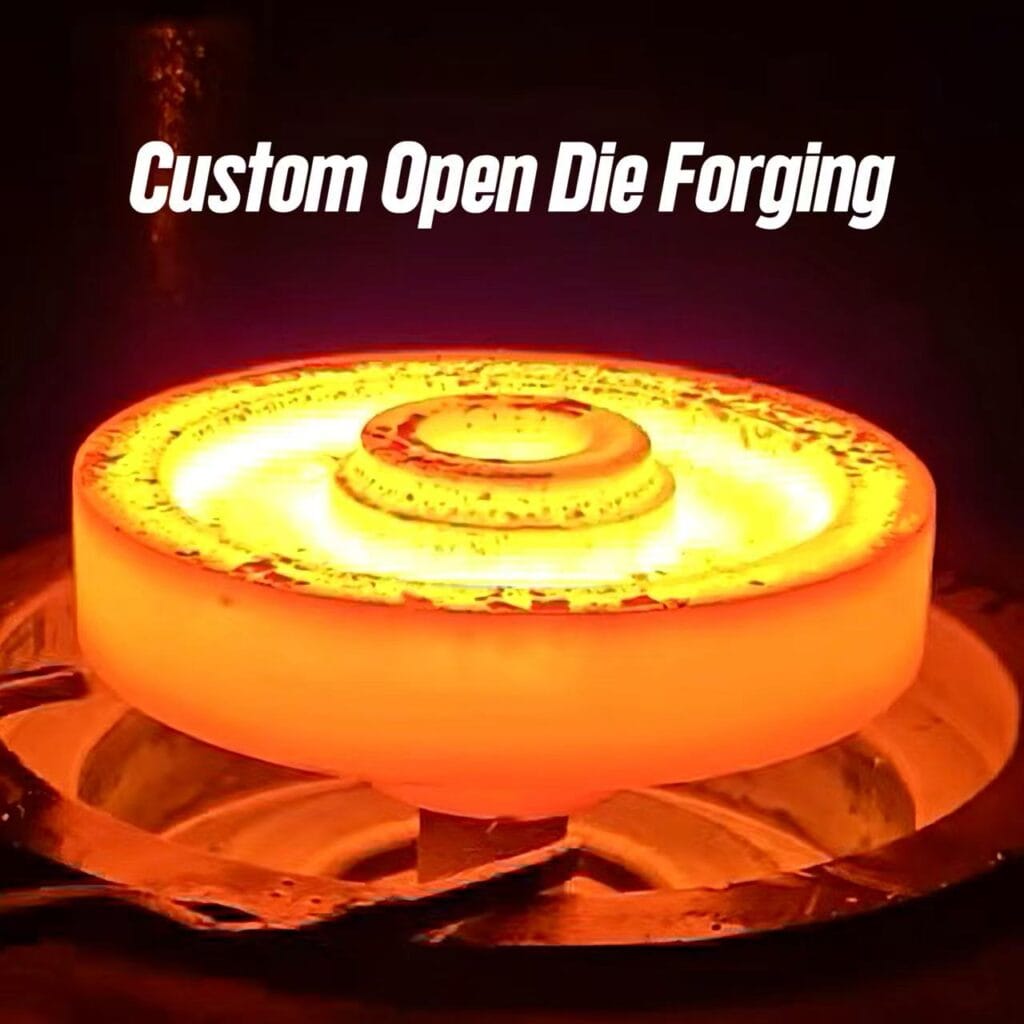
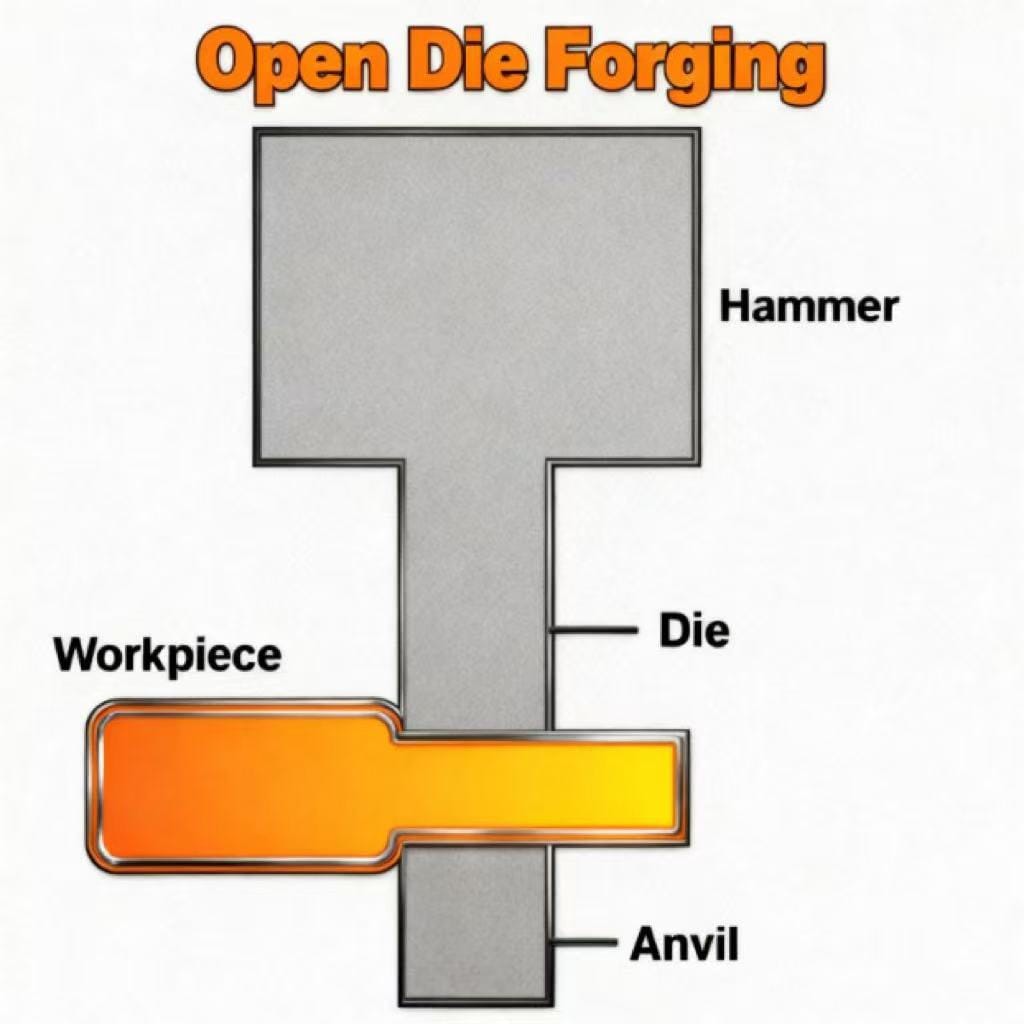
Open die forging is a forging process in which metal is shaped between flat or simple dies without fully enclosing the workpiece. In custom applications, this process allows forged components to be produced in a wide range of sizes and geometries. Custom open die forging is commonly used for shafts, rings, blocks, and other large components where dimensional flexibility and material integrity are important considerations.
When Should Procurement Consider Custom Open Die Forging?
This section offers a concise decision checklist frequently used by procurement teams. From a sourcing and planning perspective, custom open die forging is often evaluated in the following scenarios:
— Components with large dimensions or application-specific geometries
— Projects involving focused or project-based production volumes
— Programs where design parameters or specifications are being finalized
— Applications requiring flexible material grade selection or multi-standard compliance
— Sourcing plans that benefit from coordinated forging and machining workflows
Custom Open Die Forging Process
The open die forging process involves several coordinated manufacturing stages to achieve the required component geometry and mechanical performance.
Typical steps include:
Material Preparation
Steel billets or ingots are selected based on required strength and component size.Heating
The billet is heated in a forging furnace to a temperature suitable for plastic deformation.Incremental Forging
The heated metal is compressed between open dies. The workpiece is rotated and repositioned to gradually form the desired shape.Dimensional Adjustment
Operators monitor the forging process to maintain consistent dimensions and material flow.Heat Treatment
Processes such as normalizing, quenching, or tempering improve mechanical performance.Machining Preparation
Many open die forgings are semi-finished parts that require CNC machining for final tolerances.
Key Design Considerations for Custom Open Die Forging
When designing components for custom open die forging, several engineering factors must be considered.
Smooth Section Transitions
Gradual cross-section changes support stable metal flow during forging.
Machining Allowance
Forged components usually include machining allowance to achieve final precision.
Grain Flow Orientation
Proper forging direction ensures grain structure aligns with the load direction.
Dimensional Tolerances
Open die forging generally provides larger tolerances than closed die forging, so machining operations are required.
Advantages of Custom Open Die Forging
Custom open die forging offers several advantages for manufacturing large forged components.
Excellent mechanical strength
Improved grain flow structure
Flexible component geometry
Suitable for large forged parts
Efficient for low-volume production
These advantages make open die forging widely used for heavy industrial components.
Materials Used in Open Die Forging
Material selection significantly influences the performance of forged components.
Common materials include:
- Carbon Steel – used for general industrial parts.
- Alloy Steel – such as 42CrMo, 4140, or 34CrNiMo6 for high strength applications.
- Stainless Steel – used where corrosion resistance is required.
Materials are usually produced according to international standards such as ASTM, EN, DIN, or ISO.
Open Die Forging vs Closed Die Forging
Open die forging and closed die forging serve different manufacturing needs. The open die forging is commonly used for large, custom, or low-volume components where flexibility in geometry and material selection is important. Closed die forging is typically applied to smaller parts produced in higher volumes with defined shapes. The choice between these processes depends on component size, quantity, design requirements, and overall production planning.
Typical Applications
Custom open die forging is widely applied across industrial sectors that require adaptable component designs and material solutions. Its flexibility supports a broad range of applications, including:
— Heavy machinery components, such as large shafts and structural blocks, designed to support specific load requirements and installation configurations.
— Energy and power equipment, where forged rings and shafts are selected to match material performance with operating conditions.
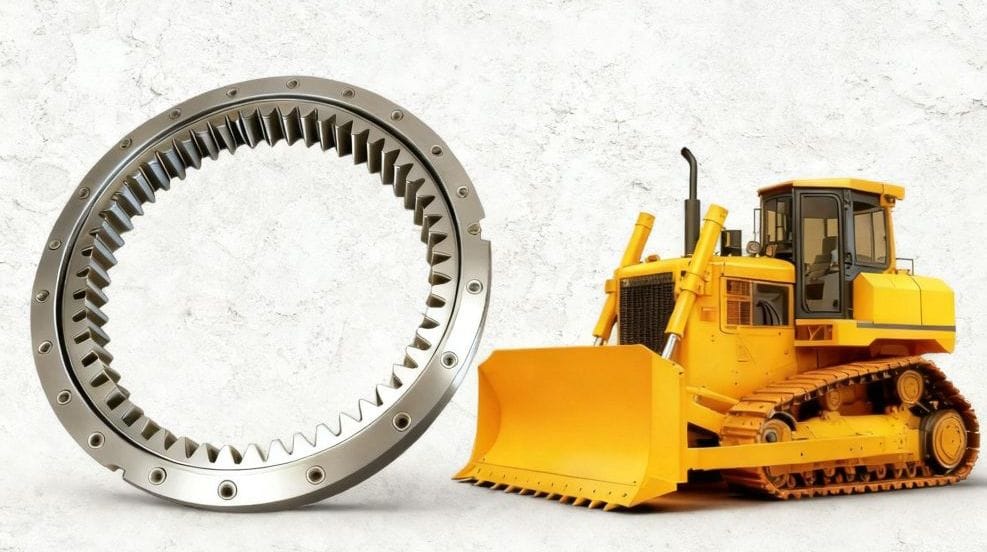
— Industrial transmission and structural systems, utilizing large forged rings and blocks that support dimensional adaptability and reliable material performance.
Why Choose Weforging for Custom Forged Components
At Weforging, custom open die forging is supported by an integrated manufacturing system that combines forging, machining, and inspection.
Our capabilities include:
Open die forging
CNC machining
Heat treatment control
Non-destructive testing
This integrated process ensures reliable quality and stable production for OEM industrial projects.
Conclusion
Custom open die forging provides a flexible manufacturing approach for large and non-standard components. By defining geometry, material selection, applicable standards, and manufacturing coordination early in the design stage, engineering and procurement teams can support efficient production planning and consistent results.
For project-specific questions, our engineering team provides free technical consultation and responds within 24 hours.