
Gear Cutting Explained: Process, Methods & Tools
Gear cutting is a critical process in gear manufacturing that determines gear accuracy, load capacity, and long-term performance. In industries such as mining, construction, and agricultural machinery, precision is essential under heavy loads.
Understanding the gear cutting process, gear cutting methods, and gear cutting tools helps engineers and procurement teams select the right solution. Comparing gear cutting vs gear machining also supports better decision-making. In addition, the quality of the gear blank—especially forged components—combined with CNC gear cutting, plays a key role in ensuring stable performance and durability.
What is Gear Cutting
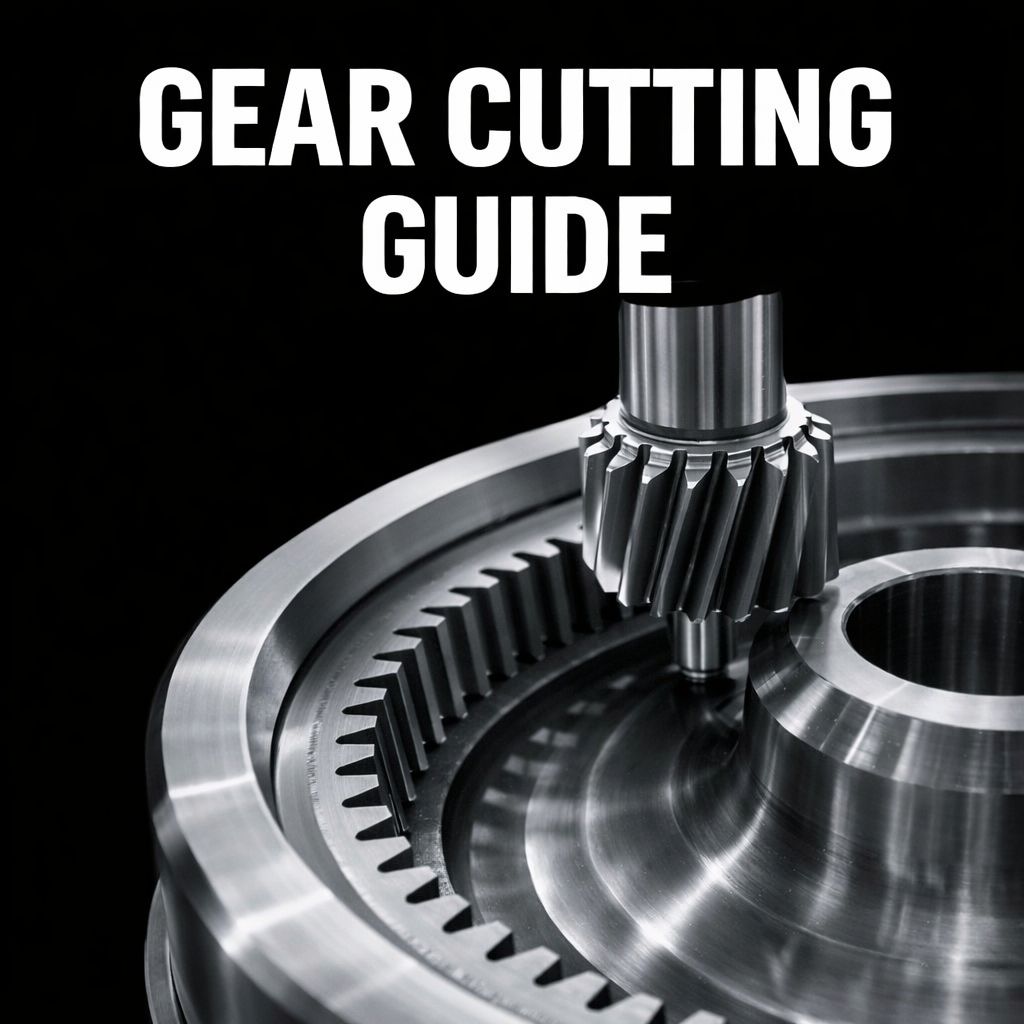
Gear cutting is the process of forming gear teeth on a gear blank using specialized cutting tools and machines. It is one of the most important steps in gear manufacturing because the accuracy of the tooth profile determines how smoothly and efficiently gears operate.
During gear cutting, material is removed from the gear blank to create the required tooth geometry. Factors such as tooth profile, pitch accuracy, surface finish, and dimensional tolerance directly influence the final gear performance.
Common gear types produced through gear cutting include:
- Spur gears
- Helical gears
- Ring gears
- Gear shafts
- Internal gears
For industrial applications, high-quality gear cutting is essential to ensure stable operation under heavy loads and continuous working conditions.
How Does the Gear Cutting Process Work?
A complete gear cutting process usually involves several manufacturing stages. The final gear quality depends not only on the cutting operation itself but also on the quality of the gear blank, material selection, and post-processing.
Gear Blank Preparation
The process begins with preparing the gear blank. Depending on application requirements, gear blanks can be produced through forging or machining.
For heavy-duty gears, forged gear blanks provide advantages such as:
- Improved material strength
- Better fatigue resistance
- Reduced internal defects
- More stable machining performance
Forging creates a continuous grain flow inside the material, helping gears withstand repeated loads in demanding environments.
Tooth Cutting Process
After the gear blank is prepared, specialized equipment is used to create accurate gear teeth.
Common processes include:
- Gear hobbing
- Gear shaping
- CNC gear cutting
- Gear milling
The selected method depends on gear type, production volume, required accuracy, and application requirements.
Heat Treatment and Final Inspection
After gear cutting, heat treatment may be applied to improve hardness, wear resistance, and fatigue performance.
Final inspection typically includes:
- Dimensional measurement
- Tooth profile inspection
- Hardness testing
- Surface quality inspection
A controlled manufacturing process ensures consistent gear performance across production batches.
Types of Gear Cutting Methods
Different gear cutting methods are selected depending on gear type, production volume, accuracy requirements, and application conditions. Choosing the right method directly impacts efficiency, cost, and gear performance.
The most commonly used gear cutting methods include:
Gear Hobbing
Gear hobbing is one of the most widely used gear cutting methods for manufacturing external gears.
The process uses a rotating cutting tool called a hob to gradually form gear teeth. It is highly efficient and suitable for producing large quantities of gears with consistent accuracy.
Advantages of gear hobbing include:
- High production efficiency
- Stable tooth accuracy
- Suitable for spur and helical gears
- Good surface finish
Gear hobbing is commonly used in industrial transmission systems, gearboxes, and heavy machinery applications.
-2.jpg)
Gear Shaping
Gear shaping is a flexible gear cutting method mainly used for internal gears, splines, and complex gear geometries.
Compared with hobbing, gear shaping provides greater flexibility when manufacturing gear features that are difficult to produce with other methods.
Typical applications include:
- Internal gears
- Complex gear profiles
- Customized industrial components
CNC Gear Cutting
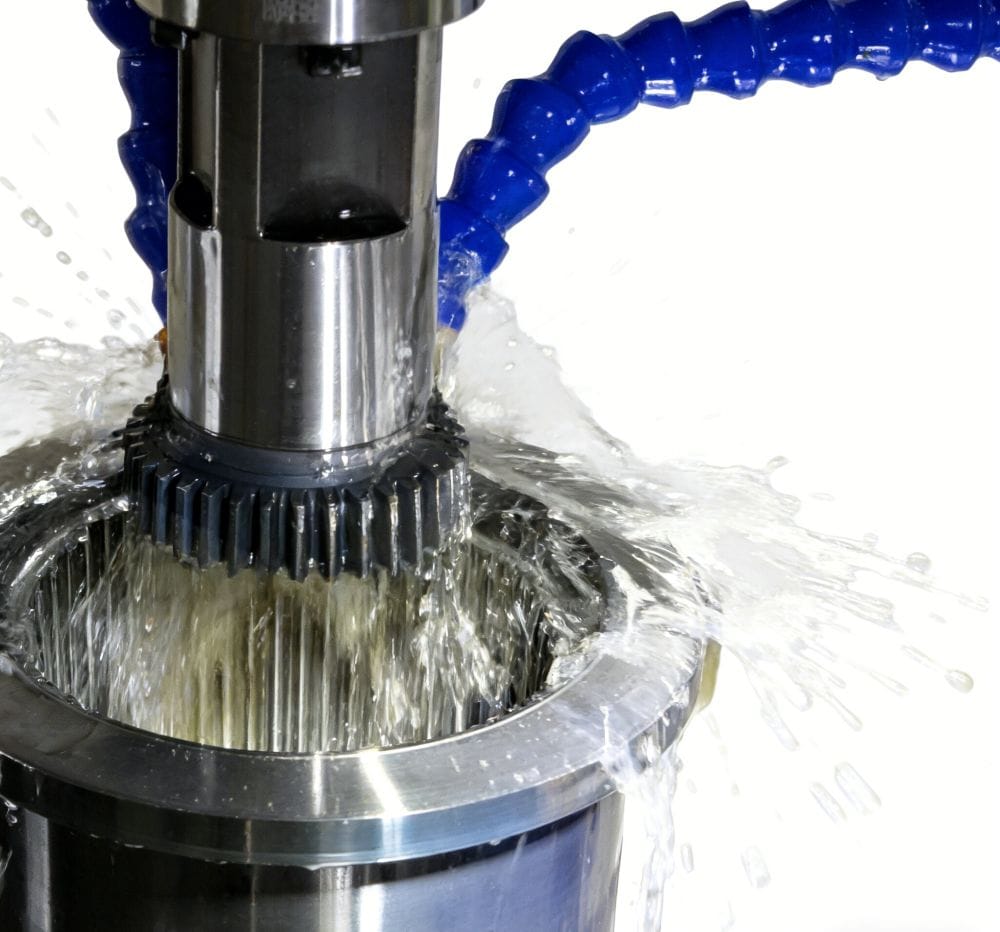
Modern CNC gear cutting improves precision, repeatability, and production flexibility.
CNC-controlled equipment allows manufacturers to produce customized gears with complex specifications while maintaining consistent quality.
CNC gear cutting is especially suitable for:
- Custom gear production
- Low and medium volume orders
- Precision industrial components
- OEM replacement parts
Gear Milling
Gear milling is another gear cutting method often used for customized gears, prototypes, and low-volume production.
It provides flexibility for special designs where traditional high-volume processes may not be suitable.
Factors Affecting Gear Cutting Quality
The performance of finished gears depends on several factors throughout the manufacturing process.
Gear Material
Material selection influences:
- Strength
- Wear resistance
- Fatigue performance
- Machining stability
Common materials include alloy steel, carbon steel, and heat-treatable steels.
Gear Blank Quality
A high-quality gear blank provides a stable foundation for precision gear cutting.
Compared with standard machined blanks, forged gear blanks offer improved structural integrity and better resistance to repeated loading.
Cutting Accuracy
Precision gear cutting requires accurate control of:
- Tooth profile
- Pitch
- Runout
- Surface finish
Small deviations can affect gear noise, efficiency, and service life.
Heat Treatment
Proper heat treatment improves hardness and wear resistance, helping gears maintain performance under demanding operating conditions.
Gear Cutting Methods Comparison
Although gear cutting and gear machining are closely connected, they represent different stages of manufacturing.
| Aspect | Gear Cutting | Gear Machining |
|---|---|---|
| Purpose | Creates gear teeth | Completes the overall component |
| Main Processes | Hobbing, shaping, milling | Turning, drilling, finishing |
| Focus | Tooth accuracy | Overall dimensions and finish |
| Role | Key gear production step | Complete manufacturing process |
In modern manufacturing, gear cutting is usually combined with CNC machining, heat treatment, and inspection to produce complete industrial gear components.
Industrial Applications of Gear Cutting
Precision gear cutting is widely used in industries where reliability and load capacity are critical.
Mining Equipment
Mining machinery operates under heavy loads and harsh conditions. Reliable gears help ensure continuous operation and reduce maintenance requirements.
Construction Machinery
Construction equipment requires durable transmission components capable of handling shock loads and repeated operation.
Industrial Gearboxes
Gear cutting plays an important role in producing gears used for power transmission systems and industrial reducers.
Renewable Energy Equipment
Wind power and other energy systems require high-performance gears with stable accuracy and long service life.
How to Choose a Gear Cutting Supplier
Choosing the right gear cutting supplier is critical for product quality and long-term reliability.
Key factors include:
- Manufacturing Capability
Ability to handle gear cutting and related processes such as machining and heat treatment. - Quality Standards
Compliance with ISO, DIN, or AGMA, with proper inspection procedures. - Material Knowledge
Understanding of alloy steels and application-based material selection. - Customization Capability
Ability to work with OEM drawings and tolerance requirements. - Production Stability
Consistent quality across different batch sizes.
A reliable supplier helps improve gear performance while reducing defects and overall cost.
Why Choose Weforging for Gear Manufacturing
Weforging provides integrated gear manufacturing solutions by combining forging, CNC machining, heat treatment, and inspection within a controlled process.
Key advantages include:
- Forging and Gear Cutting Integration
Improved material strength and stable machining performance, especially for heavy-duty gears. - Precision Machining
CNC equipment ensures accurate tooth geometry and consistent tolerances. - Standards-Based Quality Control
Production follows ISO, DIN, and AGMA standards to meet OEM requirements. - Inspection and Traceability
UT testing, hardness checks, and full traceability from raw material to finished parts. - Industrial Application Experience
Proven capability in mining, construction, and other high-load environments.
This integrated approach helps improve gear performance, reduce defects, and ensure long-term reliability.
Conclusion
Gear cutting is a key process that determines the performance and durability of gears. Selecting the right methods, tools, and high-quality gear blanks ensures optimal results in demanding applications.
Weforging provides integrated forging and CNC machining solutions, delivering reliable gear components for global OEM customers.
Send us your drawings to receive a customized gear manufacturing solution.