What Are Forged Gear Blanks?
Forged gear blanks are key semi-finished components used in the production of high-performance gears for automotive, industrial, energy, and heavy-equipment applications. Formed through controlled plastic deformation, they feature refined grain flow that supports strength, toughness, and long-term dimensional stability. For engineers and procurement teams, understanding how forged gear blanks are produced—and how to assess manufacturing capability—is essential when specifying gear components. This guide outlines the core concepts, production processes, material options, and practical selection considerations to support reliable sourcing decisions.
What Are Forged Gear Blanks?
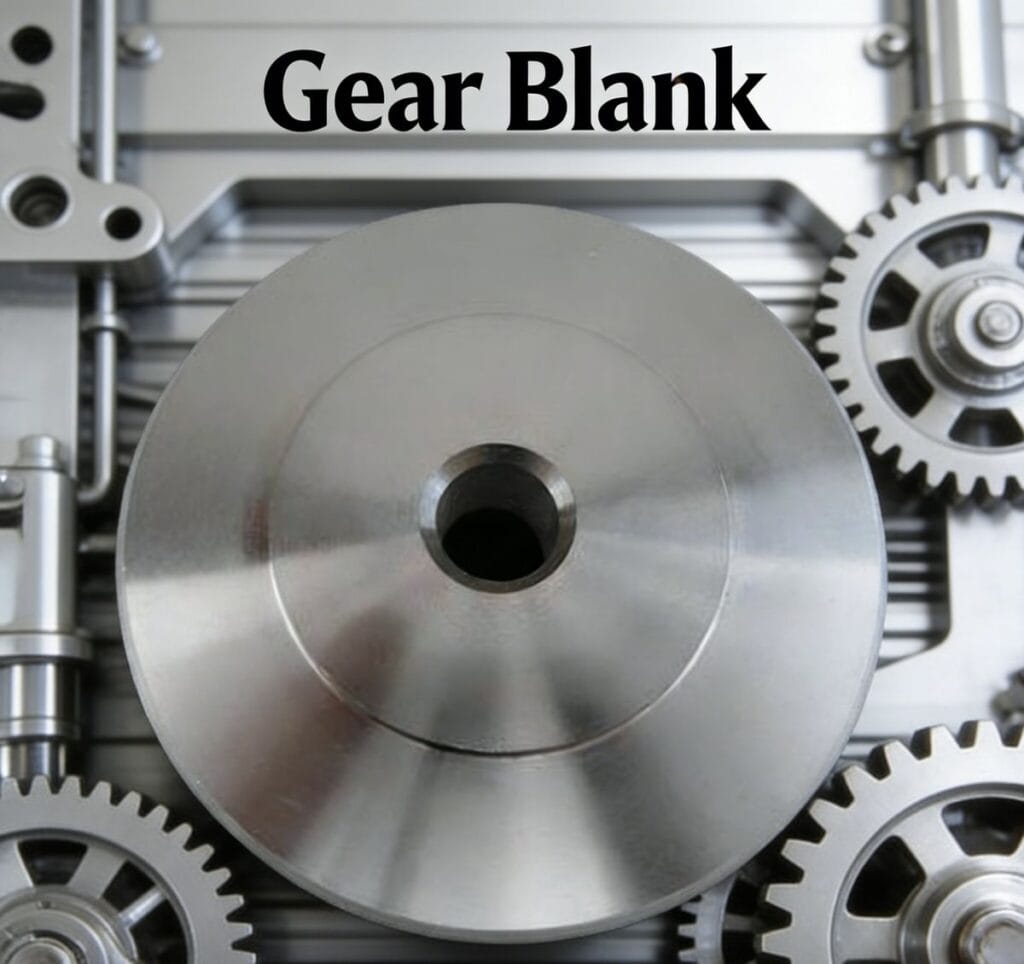
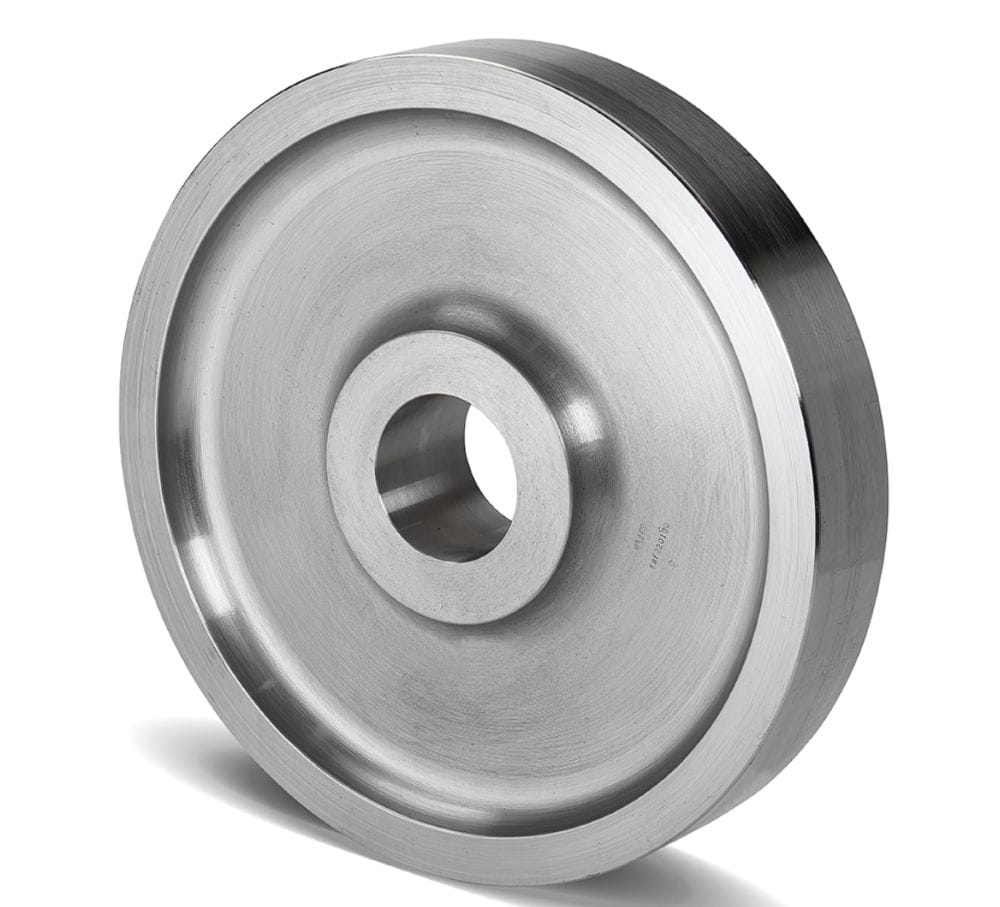
Forged gear blanks are solid metal preforms produced through forging processes prior to final gear cutting operations such as hobbing, shaping, or grinding. They serve as the structural foundation of gears and directly influence load capacity, fatigue life, and dimensional accuracy.
By aligning the metal’s grain flow with the geometry of the blank, forging significantly enhances mechanical performance compared with cast or fully machined alternatives. As a result, forged gear blanks are commonly specified for gears operating under high load, cyclic stress, or demanding service conditions.
Forged Gear Blanks vs. Other Gear Blank Types
Compared with other gear blank manufacturing methods, forged gear blanks offer clear structural advantages:
- Cast gear blanks rely on molten metal filling a mold, which may lead to porosity or inconsistent microstructure
- Machined gear blanks are cut from bar stock, interrupting grain flow and reducing material efficiency
- Forged gear blanks retain continuous grain flow and optimized density
These differences explain why forged gear blanks are widely used in transmission gears, wind power gearboxes, mining equipment, and industrial drive systems.
Manufacturing Process
A typical forged gear blank manufacturing process includes the following steps:
- Material preparation
Selecting suitable alloy steel billets based on mechanical requirements, load conditions, and application standards. - Heating
Heating billets to the appropriate forging temperature to ensure uniform deformation and controlled grain flow. - Forging
Forming the gear blank through one of the following forging methods, depending on size, geometry, and performance requirements:
(Each method supports different dimensional and mechanical performance targets.)
- Trimming & conditioning
Removing excess material, flash, or scale, and preparing surfaces for subsequent processing. - Heat treatment
Applying normalizing or quenching and tempering processes to stabilize mechanical properties and internal structure. - Pre-machining (optional)
Facing, boring, or rough machining to prepare the forged blank for gear cutting operations.
Each step contributes to the dimensional consistency, mechanical reliability, and long-term performance of the forged gear blank.
Common Materials for Forged Gear Blanks
Material selection has a direct impact on the performance and service life of forged gear blanks. Different gear applications require specific balances of strength, toughness, surface hardness, and fatigue resistance. As a result, material choice is a key consideration during the early stages of gear design and sourcing.
For global OEM programs, forged gear blanks are typically specified according to internationally recognized material standards. This approach ensures consistent mechanical performance, predictable heat treatment results, and compatibility across different manufacturing regions. Final material selection is usually determined by load conditions, gear size, operating environment, and the planned heat treatment process.
Typical Material Standards for Forged Gear Blanks
Application Type | ASTM / AISI (US) | EN / DIN (EU) | GB (China) | Typical Use |
General-purpose gears | 4140 | 42CrMo4 | 42CrMo | Industrial gear blanks, shafts |
High-strength gears | 4340 | 34CrNiMo6 | 40CrNiMo | Heavy-duty transmission gears |
Carburized gears | 8620 | 20MnCr5 | 20CrMnTi | Automotive & gearbox gears |
Wear-resistant gears | 9310 | 18CrNiMo7-6 | 18CrNiMo7-6 | High-load precision gears |
Large ring gears | — | C45 / S355 | 45 / Q355 | Rolled gear blanks, ring gears |
Using equivalent grades across ASTM, EN, and GB standards allows OEM buyers to source forged gear blanks globally while maintaining consistent mechanical performance and heat treatment results.
Seamless Rolled Gear Blanks for Ring Gears
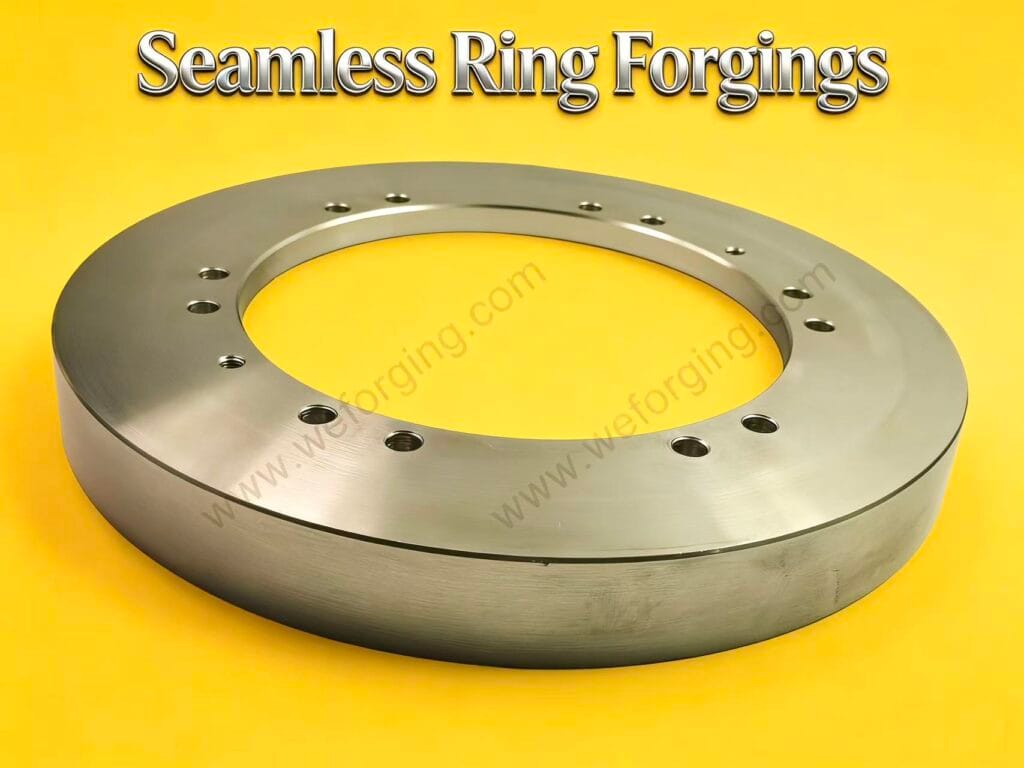
Seamless rolled gear blanks are produced through ring rolling forging and are commonly used for large-diameter gears and ring gears. During the ring rolling process, material is plastically deformed in a controlled manner, forming continuous circumferential grain flow. This refined structure improves load distribution, fatigue resistance, and long-term dimensional stability, especially under high loads or cyclic operating conditions. As a result, rolled gear blanks are widely applied in slewing drives, wind turbine gear systems, planetary gearboxes, and large industrial ring gears.
How to Choose a Forged Gear Blanks Manufacturer
When evaluating a forged gear blanks manufacturer, buyers should consider:
- Forging process capability
- Material selection and heat treatment expertise
- Machining integration capability
- Quality inspection systems and certifications
- Experience with OEM gear programs
A process-driven supplier supports consistent quality across batches and long-term projects.
Companies like Weforging, which combine forging, machining, and inspection under one system, help buyers reduce coordination complexity and achieve consistent quality for long-term gear programs.
Typical Applications
Forged gear blanks are commonly used in:
- Automotive transmissions
- Construction machinery
- Industrial reducers
- Wind power gearboxes
- Mining and heavy equipment
Conclusion
Forged gear blanks play a vital role in gear performance and reliability. By understanding materials, processes, and supplier capabilities, buyers can specify gear blanks that support consistent quality and long-term operation. For custom requirements, working with an experienced forging partner helps ensure project success.
If you are evaluating forged gear blanks for your next program, our engineering team is available to review drawings, application conditions, and provide free practical manufacturing support.