Slewing Bearing Forged Rings

Please enable JavaScript in your browser to complete this form.
Click or drag files to this area to upload. You can upload up to 10 files.

Table of Contents

Slewing Bearing Rings – Forged & CNC Machined Ring Components

A slewing bearing ring is a precision-engineered rotating component widely used in excavators, cranes, wind energy yaw systems, and industrial turntables. Compared with cast or welded parts, a forged slewing ring blank offers superior strength, longer service life, and higher load-bearing capability under continuous heavy-duty operation.
Weforging provides both forging blanks and fully machined rings with optimized raceway geometry, ensuring stable rotation and reliable structural performance.

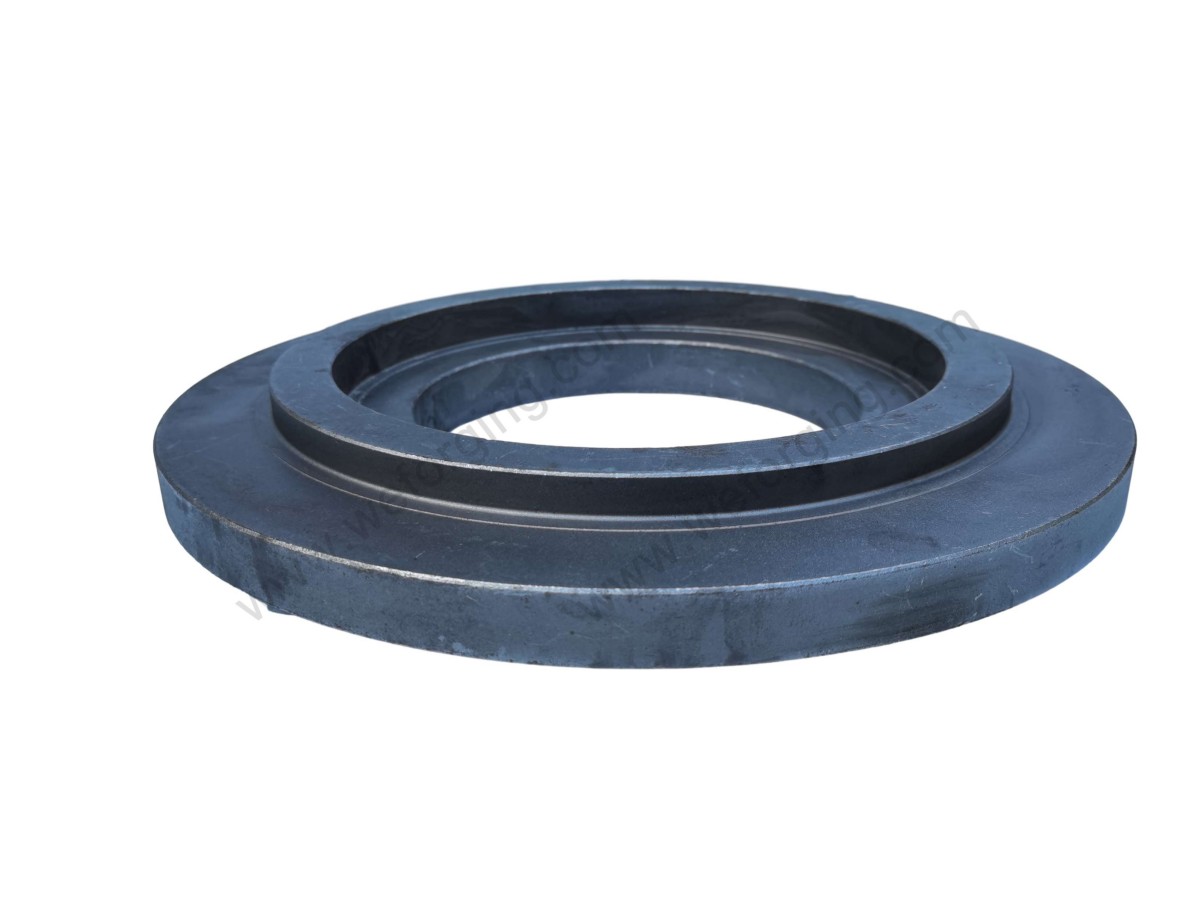
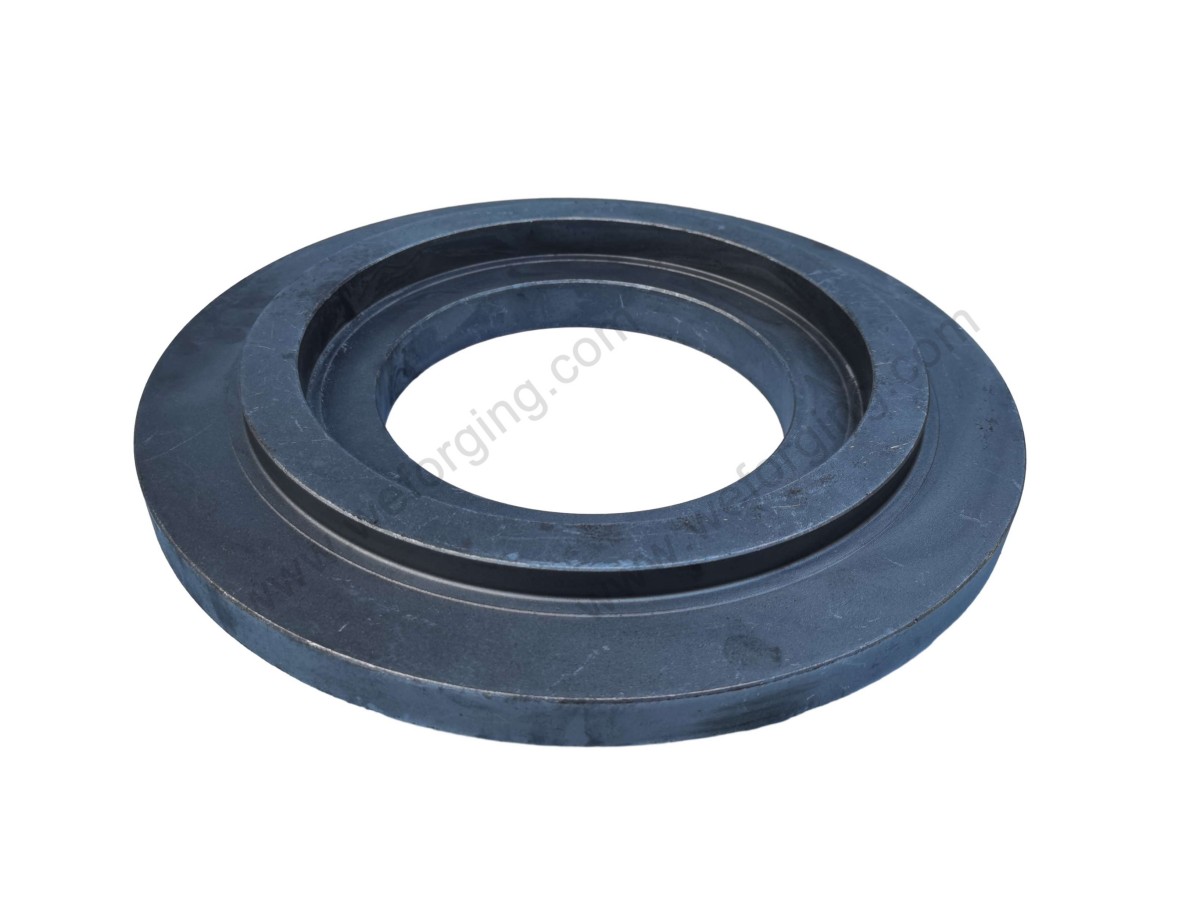
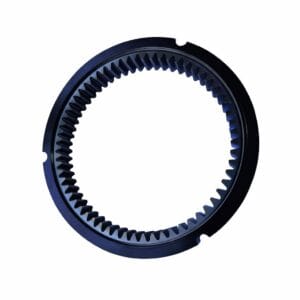
Forged slewing bearing ring blank with precision-machined raceways – Weforging

What Are Slewing Bearing Rings?

Slewing bearing rings are the inner and outer structural rings used in large-diameter slewing bearing assemblies. Together with rolling elements, raceways, and mounting features, they help support axial, radial, and overturning moment loads while allowing relative rotation between connected structures.

Depending on the bearing design, the rings may incorporate gear teeth, mounting holes, and machined surfaces for subsequent bearing manufacturing operations.

For demanding industrial applications, forged steel rings provide a suitable starting form for further machining and processing. The ring material, geometry, and manufacturing requirements depend on the bearing design and operating conditions.

How Do Slewing Rings Carry Loads?

Slewing ring bearings are designed to support combined axial, radial, and overturning moment loads. These loads are transferred through the rolling elements and raceways into the inner and outer rings, making ring geometry, stiffness, and mounting accuracy important to bearing performance.

  • Axial loads: Act parallel to the bearing’s rotational axis.

  • Radial loads: Act perpendicular to the rotational axis.

  • Overturning moments: Create uneven load distribution around the bearing, particularly in equipment with long booms or offset loads.

For the forged inner and outer rings, the bearing design determines the required material, cross-section, machining features, and dimensional tolerances.

Weforging manufactures ring forgings and CNC-machined components to customer drawings. Bearing load ratings and final assembly performance are determined by the bearing designer or manufacturer.

Manufacturing Process & Technical Performance

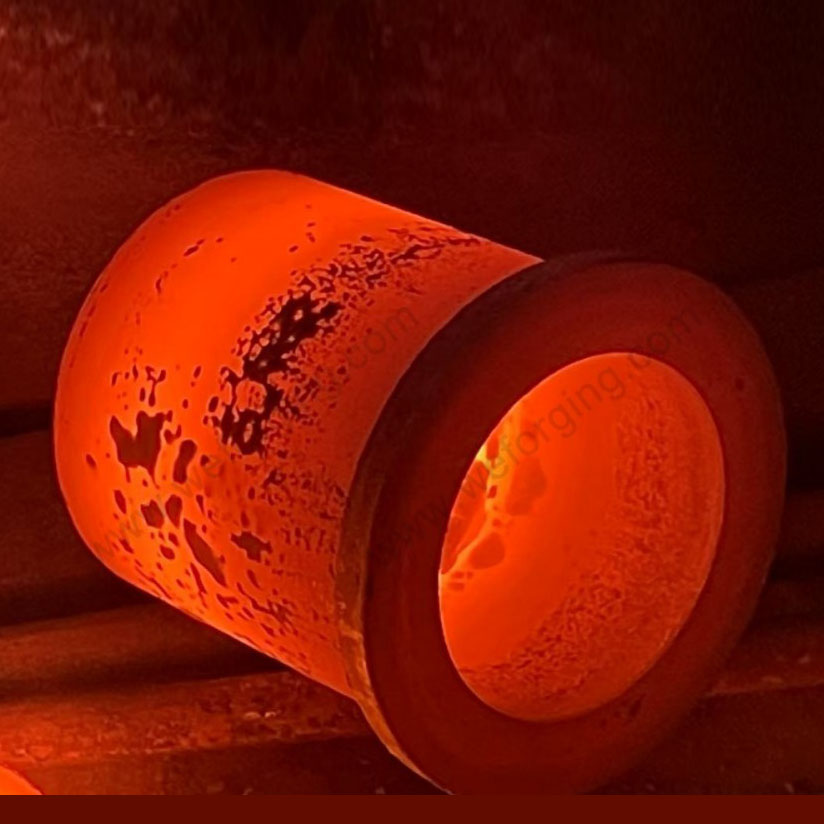
Our slewing bearing rings are produced through a controlled forging process that aligns metal grain flow and removes porosity. This improves strength and resistance to cyclic loading.
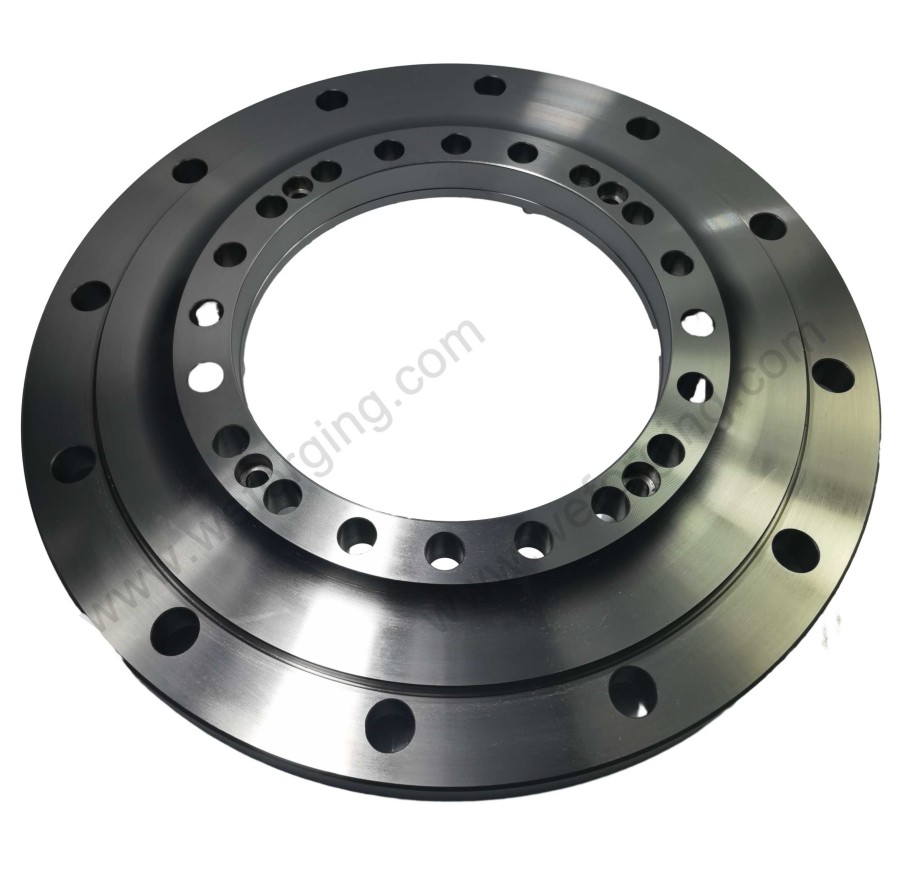
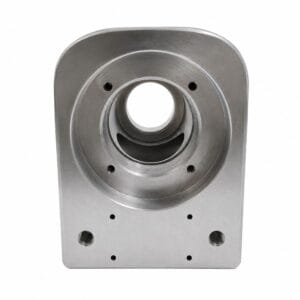
After forging, rings undergo CNC machining for the raceway, bolt holes, and sealing surfaces.
Key performance features include:

  • Consistent raceway geometry

  • Stable hardness after heat treatment

  • Accurate roundness and flatness for smooth rotation

Core Advantages

Weforging’s slewing bearing rings offer strong stability under load and long service life.
Main advantages include:

  • High fatigue resistance due to forged structure

  • Precise machining for consistent rolling performance

  • Optional raceway hardening for enhanced wear resistance

These benefits make the rings suitable for harsh working environments and long operation cycles.

Application of Slewing Bearing Rings

Our rings are widely used in equipment that requires controlled rotation and high load capacity:

  • Construction machinery such as excavators and cranes

  • Wind turbine yaw and pitch systems

  • Industrial turntables and welding positioners

  • Mining and bulk handling machinery

Their durability and load performance make them ideal for heavy-duty operations.

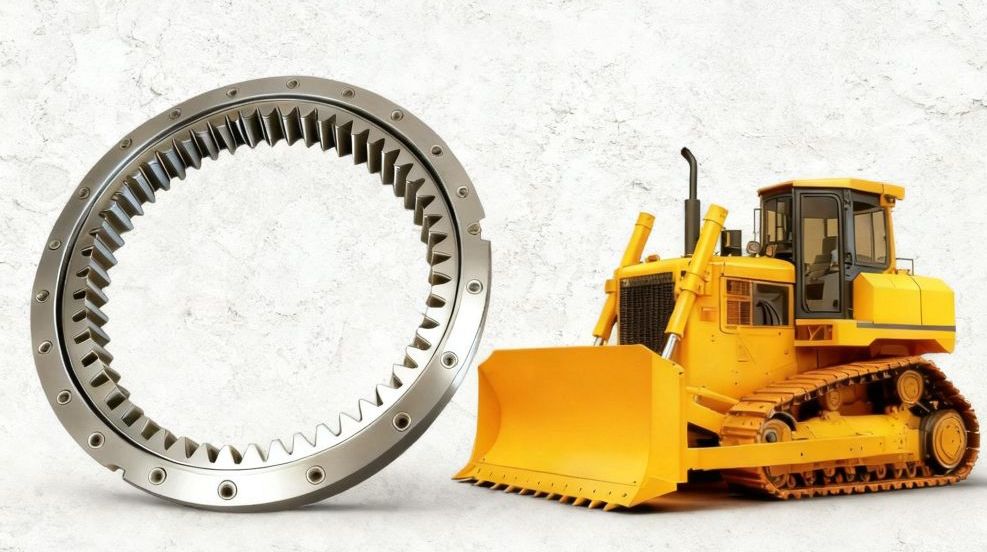
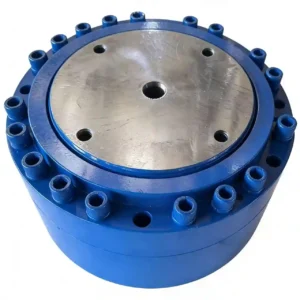
Forged ring gears and structural components for heavy machinery such as bulldozers and cranes

Technical Specifications

ParameterValue
Diameter Range500–3000+ mm
Materials42CrMo, 50Mn, 42CrNiMo
Heat TreatmentNormalizing / Q&T / Raceway hardening
HardnessCore HRC 28–36, Raceway HRC 55–62
NDTUltrasonic + Magnetic Particle Testing

What Affects Slewing Bearing Ring Accuracy?

Large-diameter slewing bearing rings can be sensitive to dimensional changes during machining. Even when a forged blank meets its initial dimensional requirements, stock removal, residual stress redistribution, and clamping forces may affect the ring’s final geometry.

Three factors deserve particular attention:

1. Clamping and ring distortion

Excessive or uneven clamping force can temporarily deform a ring during machining. When the workpiece is released, its free-state geometry may differ from the dimensions measured while clamped.

2. Machining allowance and process sequence

Uneven stock removal can change the stress balance within a forged ring. Rough machining and finish machining should therefore be planned with reference to the material condition, ring geometry, and specified tolerances.

3. Datum consistency and inspection

Inner and outer diameters, mounting faces, and other critical features may have related geometric requirements. Machining and inspection datums should be consistent with the drawing to avoid measurement differences or unexpected assembly problems.

For OEM production, these factors should be reviewed before machining begins, particularly when rings have large diameters, relatively thin sections, or tight geometric tolerances.

OEM Supply Options and Applications

Weforging supplies custom slewing bearing inner and outer ring components for industrial OEM applications, including construction machinery, lifting equipment, and rotating machinery.

Available delivery conditions include:

Delivery Condition

Scope

Forged Ring Blanks

Forged rings with machining allowance

Rough-Machined Rings

Rings with preliminary machining and stock retained for subsequent operations

CNC-Finished Ring Components

Rings machined to the agreed drawing features and tolerances

Customers can submit drawings specifying the material grade, dimensions, required machining features, geometric tolerances, inspection criteria, and order quantity.

Weforging reviews OEM drawings and confirms the achievable manufacturing scope before quotation. Our custom forging services also cover other industrial components made to customer specifications.

Why Choose Weforging

Weforging has over 40 years of forging and CNC machining experience. Our integrated workflow—forging, heat treatment, machining, and testing—ensures stability and repeatable quality.
We support small batches, prototypes, and mass production with export-grade packaging and reliable delivery.

Scroll to Top