How to Choose a Forging Supplier?
Choosing the right forging supplier is essential for ensuring the reliability, performance, and long-term cost efficiency of industrial components. For OEM manufacturers and procurement teams, a forging supplier is more than a part producer—they influence dimensional accuracy, mechanical strength, and delivery stability across the entire production cycle. Yet with many suppliers presenting similar capabilities, it can be difficult to identify who truly offers the technical depth, machining capacity, heat-treatment control, and quality assurance required for demanding applications.
This guide provides a practical framework to evaluate forging suppliers based on their capability, machining, heat treatment, inspection systems, delivery reliability, and communication.
Why Choosing the Right Forging Supplier Matters
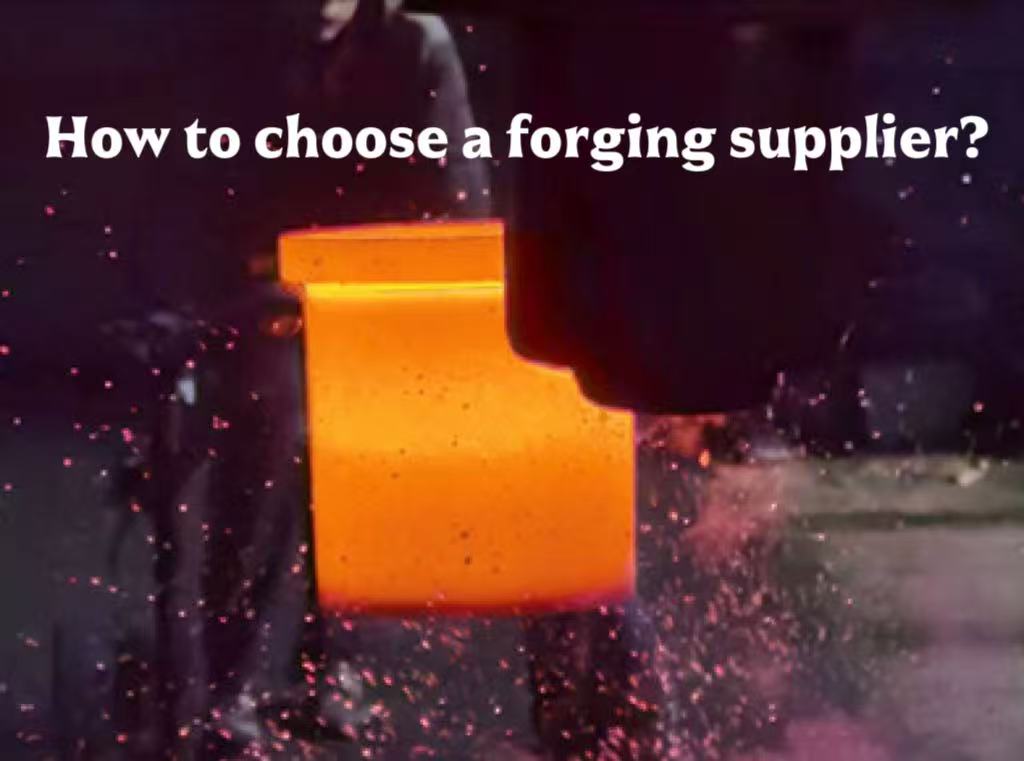
Forged components play a critical role in heavy machinery, construction equipment, wind-energy systems, automotive drivetrains, agricultural machinery, mining equipment, and industrial power-transmission systems. Selecting an inappropriate supplier introduces serious risks such as dimensional deviation, internal porosity, unstable heat treatment, surface defects, fatigue failure, rework cost, and unpredictable delivery schedules. These issues not only increase direct costs but may also cause severe equipment malfunction or field failures. A qualified forging supplier, in contrast, ensures metallurgical integrity, repeatable tolerances, consistent mechanical properties, stable supply capacity, and predictable lead times—factors especially valued by European and North American OEM buyers.
Define Your Requirements Before Sourcing
Before approaching any forging supplier, it is essential to define your technical and commercial requirements clearly. Key points include:
– Material grade: carbon steel, alloy steel, stainless steel, tool steel, or ductile iron
– Forging method: open-die forging, closed-die forging, ring forging, hot forging
– Dimensional tolerance and surface finish
– Required hardness or heat-treat specification
– Testing requirements: UT, MPI, tensile, impact, chemical composition
– Annual volume and MOQ range
– OEM customization needs or drawing optimization
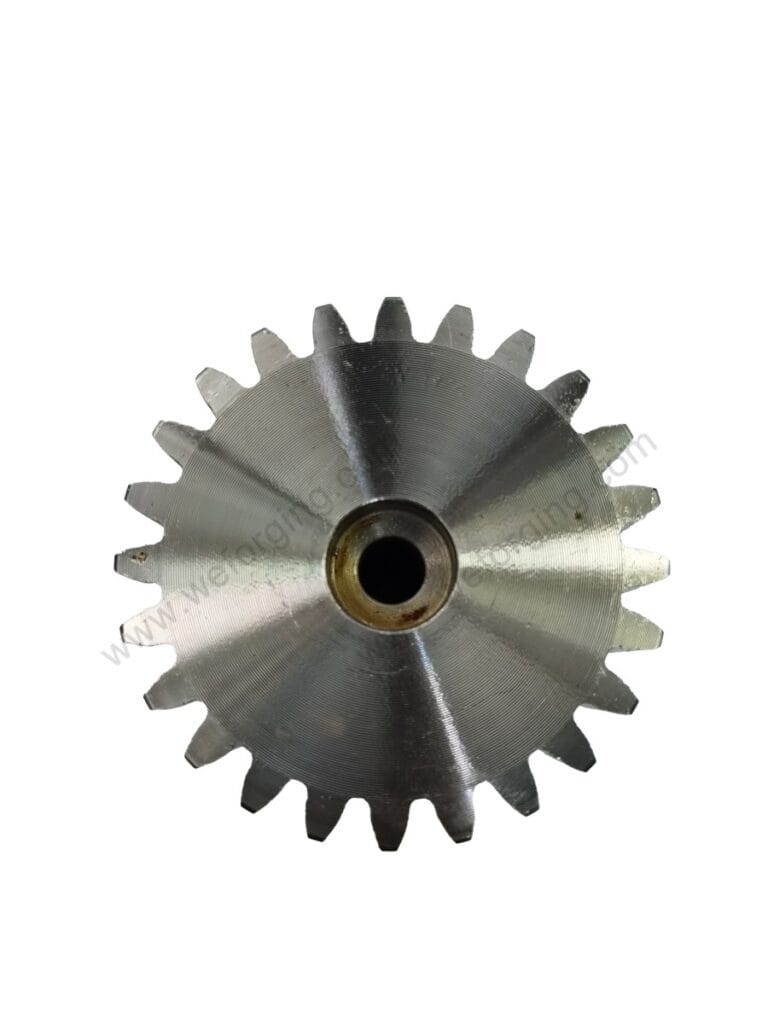
– Post-forging processes needed: machining, gear cutting, heat treatment, assembly
Supplier Capability Comparison
A fast and effective way to compare forging suppliers is to evaluate their capabilities using a structured table.
Evaluation Category | What to Check | Why It Matters |
Forging Capacity | Press tonnage (630T–5000T), hammer size, ring-rolling equipment | Ensures the supplier can handle your size, weight, and material requirements |
Precision Forging Expertise | Closed-die forging, near-net-shape forging | Reduces machining time and improves repeatability |
Machining Capability | CNC turning, milling, boring, drilling, grinding | Determines whether the supplier can deliver finished or semi-finished parts |
Heat Treatment | In-house HT, controlled quenching, hardness consistency | Affects mechanical strength and fatigue life |
Inspection & Testing | CMM, 3D scanning, UT/MPI, hardness & tensile testing | Ensures OEM-grade component reliability |
Industry Experience | Automotive, agriculture, mining, energy, heavy machinery | Shows supplier familiarity with your application requirements |
This comparison method helps buyers quickly identify whether a potential partner is a true forged parts manufacturer with end-to-end capability or simply a middleman.
Check Machining Capabilities
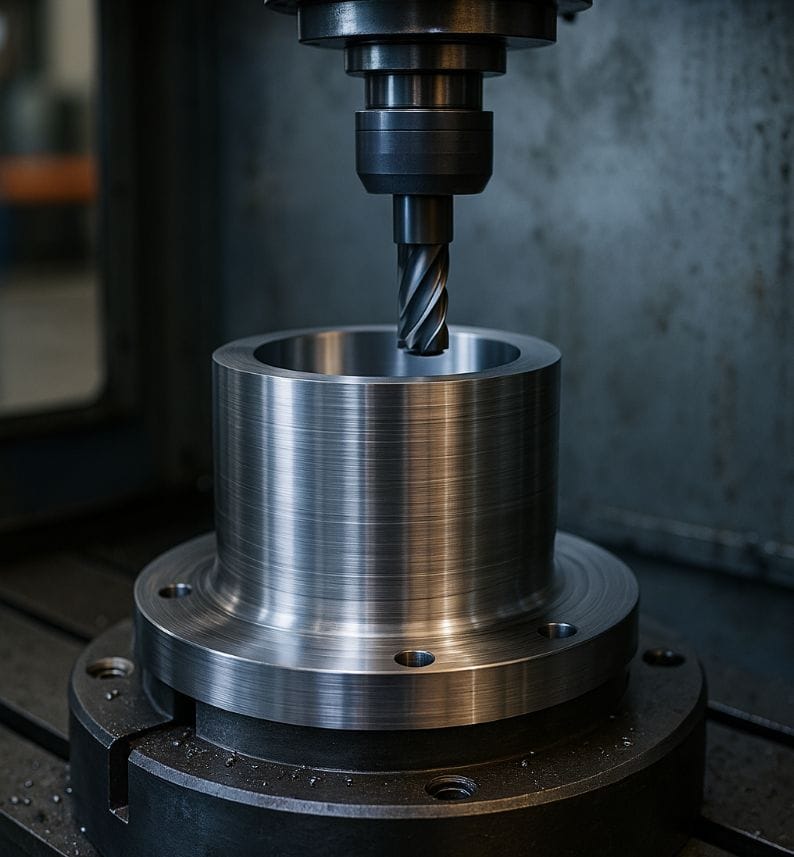
Modern OEM buyers increasingly prefer forging suppliers that provide machining as part of an integrated workflow. This reduces outsourcing risks, improves accuracy, and shortens project timelines.
High-quality suppliers typically operate multi-axis CNC centers, turning/milling centers, and grinding machines capable of holding tight tolerances. For gears, shafts, rings, and transmission components, suppliers offering gear cutting or grinding provide additional value.
Integrated machining also improves consistency—one supplier controls everything from forging to final machining, ensuring dimensional accuracy at every stage.
Evaluate Quality Control and Documentation
Confirm Delivery Reliability
Lead-time stability is one of the top priorities for European and U.S. buyers. A forging supplier should clearly communicate production schedules and demonstrate consistent on-time delivery performance.
Strong suppliers provide visibility into:
• Standard forging + machining lead times
• Material procurement stability
• Production capacity during peak periods
• Emergency order handling
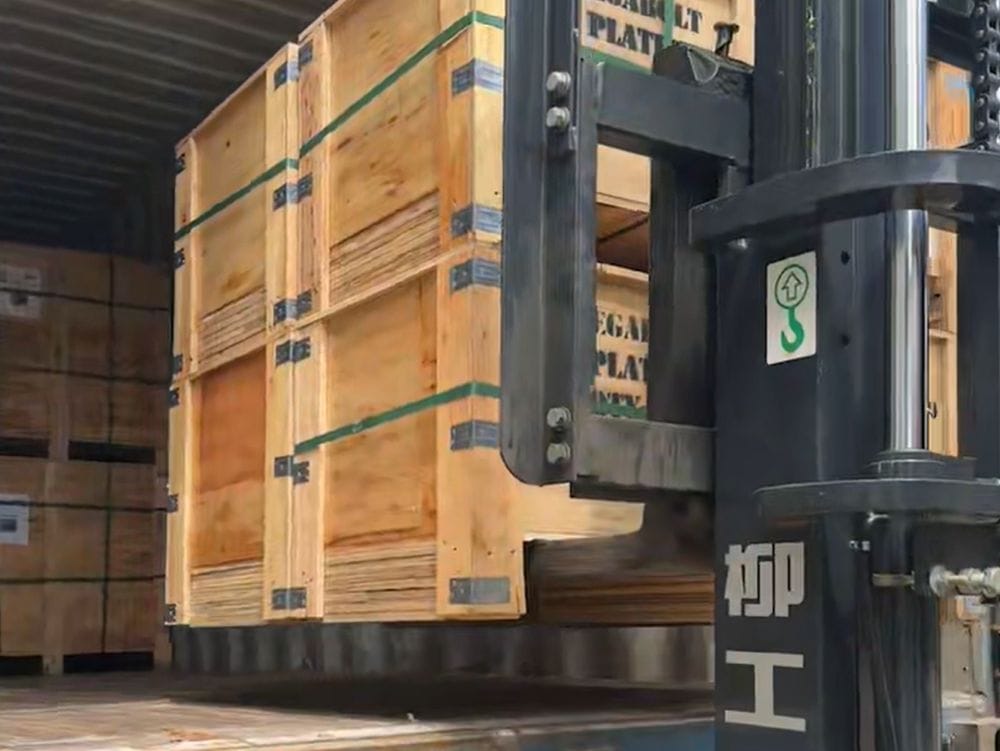
• Export-grade packaging
Clear, proactive communication—especially from engineering teams—indicates maturity and reliability in project management.
Understand Cost Structure
Evaluating a forging supplier purely on unit price often leads to unexpected quality issues or supply delays. The real cost of a forged component includes tooling, machining, heat treatment, testing, packaging, and long-term stability.
Competent suppliers present transparent cost breakdowns and offer cost-down strategies based on volume, machining optimization, or near-net-shape forging.
Choosing the lowest bidder may seem attractive initially, but for OEM projects, long-term reliability and reduced warranty claims provide far greater economic value.
Forging Supplier Checklist: Key Points to Review
A straightforward checklist can help confirm whether a forging supplier is suitable:
- Do they support your required forging process?
- Can they meet your tolerance and material requirements?
- Do they offer machining and heat treatment in-house?
- Is quality control systematic and well-documented?
- Do they serve global OEM customers?
- Are lead times stable and predictable?
- Is communication responsive and professional?
- Do they support long-term engineering collaboration?
Suppliers who consistently meet all points are strong candidates for partnership.
Conclusion
Choosing a forging supplier is a decision that shapes product performance, operational stability, and long-term procurement cost. By evaluating capability, machining depth, heat treatment, quality assurance, delivery reliability, and communication quality, OEM buyers can confidently identify suppliers capable of supporting their engineering requirements.
Whether you require precision-machined forgings, closed-die components, or custom OEM parts, the right forging supplier ensures reliability, efficiency, and long-term value for your equipment and supply chain.
Ready to work with a reliable forging supplier?
Weforging integrates forging, CNC machining, heat treatment, and full inspection into a single streamlined workflow—trusted by OEM customers in Europe and the United States.
- ISO 9001–certified quality system
- 5000T, 2500T, and 1600T forging pressesfor heavy-duty components
- In-house heat treatmentwith controlled quench & temper curves
- Mazak and DMG CNC machining centersfor precision finishing
- Ring-rolling millsfor large-diameter rings and gear blanks
- CMM + 3D scanning inspectionfor full dimensional accuracy
- Stable export supply chainserving EU/US OEM clients
Contact Weforging
If you need forged shafts, gears, rings, flanges, or custom OEM parts, our engineering team can support your drawings, material selection, and full-process manufacturing.