Custom Ring Gear Forgings
Table of Contents
Custom Ring Gear Forgings
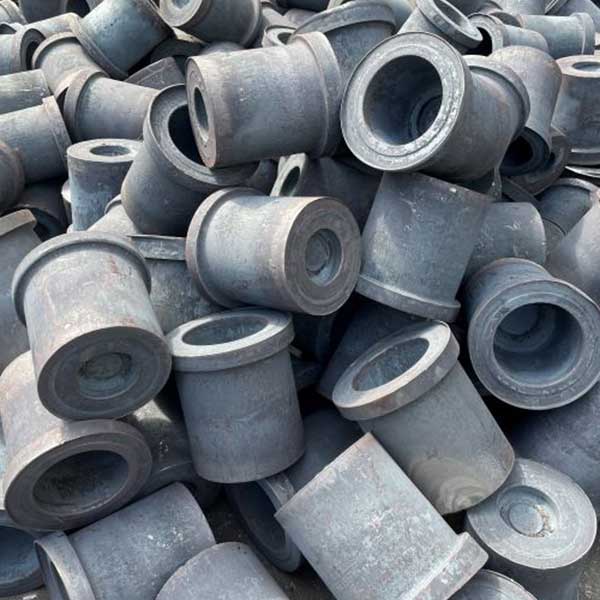
Weforging manufactures custom ring gear forgings for industrial gearbox, gear reducer and heavy-duty power transmission OEMs. We produce forged ring gear blanks through closed-die forging, with material grades, dimensions and forging requirements determined by customer drawings.
Our manufacturing scope covers forging process planning, tooling development, production, inspection and batch traceability. Ring gear forgings can be supplied as forged blanks, with heat treatment or further processing arranged according to the agreed delivery requirements.
The ring gear forgings shown on this page are examples of actual production, not fixed catalog sizes. Each new design is reviewed for forging feasibility before manufacturing.
Closed-Die Forged Ring Gear Blanks
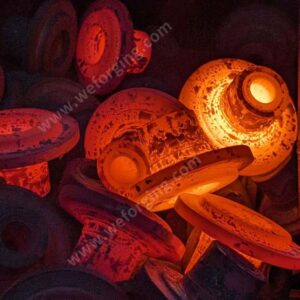
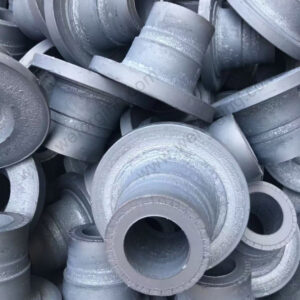
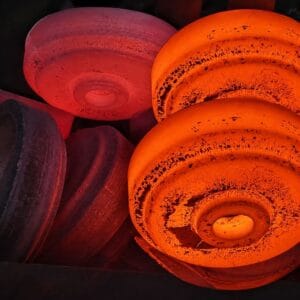
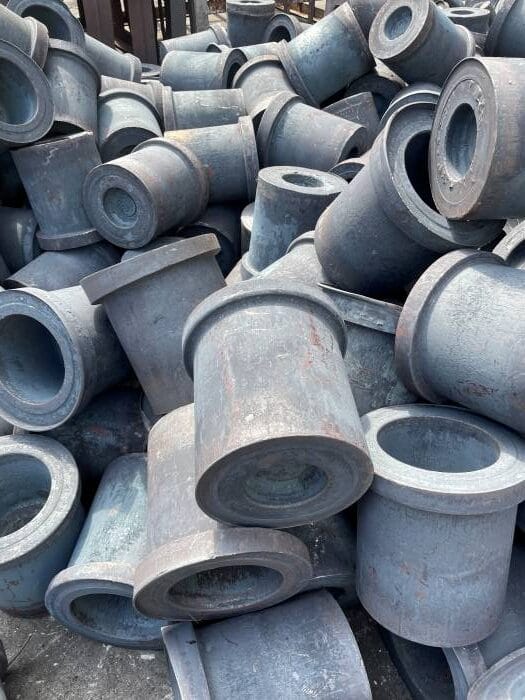
Closed-die forging shapes heated steel into a ring gear blank using a purpose-designed die. The forging profile is developed around the required ring gear geometry, with sufficient material retained for subsequent manufacturing operations.
During process planning, the outer and inner diameters, cross-sectional profile and material distribution are considered together. The aim is to produce a sound forging while avoiding unnecessary stock removal.
The photographs show actual ring gear blanks produced by Weforging.
Custom Ring Gear Forging Capabilities
Weforging reviews each ring gear design for material suitability, die-forming feasibility, production volume and inspection requirements. The following factors are considered before confirming the manufacturing route.
OEM Requirement | Forging Consideration |
Ring gear dimensions | Outer diameter, inner diameter, section thickness and overall forging geometry |
Material grade | Gear steels, including chromium-molybdenum (Cr-Mo) and nickel-chromium-molybdenum (Ni-Cr-Mo) alloy steels, selected according to strength, hardenability and heat treatment requirements. |
Forging design | Open-die or closed-die forging selection, forging equipment selection, die material selection, die cavity design, draft requirements, section transitions and manufacturing feasibility. |
Forging allowances | Material required for subsequent operations and dimensional variation |
Heat treatment | Required delivery condition and mechanical property specifications |
Production quantity | Tooling investment, batch size and repeat production |
Inspection | Dimensional acceptance, material verification and specified testing |
Final specifications are confirmed after technical review. Designs outside the practical limits of closed-die forging may require an alternative manufacturing approach.
Ring Gear Closed-Die Forging Process
Weforging develops the closed-die forging sequence according to the ring gear design and steel grade, with particular attention to material flow, die filling and repeatability.
A typical manufacturing sequence includes:
- Material Preparation: Verify the specified steel grade, calculate the required billet weight and cut length, and saw the stock to the planned dimensions.
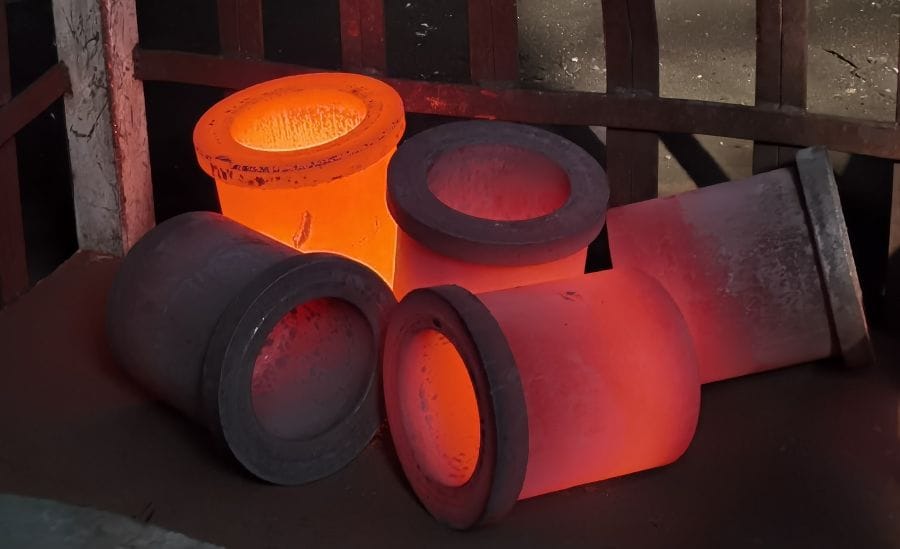
- Heating: Heat the steel to the appropriate forging temperature for the selected material and process.
- Closed-Die Forming: Shape the heated material in the dies to produce the required ring gear blank.
- Post-Forging Operations: Carry out trimming or other specified operations, followed by controlled cooling where required.
- Forging Inspection: Check the blanks against the agreed dimensional and visual acceptance requirements.
The sequence may vary with the ring gear design and approved manufacturing process.
For more information about metal forming, see Weforging’s closed-die forging capabilities.
Actual Ring Gear Closed-Die Forging Video
This video shows Weforging’s actual closed-die forging operation for ring gear blanks. Heated steel is formed under a forging press using a dedicated die.
Die Forming
The die profile is developed around the required ring gear geometry.
Material Flow
Die filling and material distribution are considered during process planning.
OEM Production
Forging dimensions and process requirements are reviewed against customer drawings.
Forging Allowances and Dimensional Control
Forging allowances for ring gear blanks are determined by the final component geometry, forging tolerances and subsequent machining requirements. Weforging evaluates the material required at the outer diameter, inner diameter and other critical surfaces, taking into account die alignment, draft angles and dimensional changes during cooling.
A ring gear forging must retain sufficient material for subsequent machining, but excessive allowances increase steel consumption, machining time and overall production costs. This is why coordinating forging and machining during the initial process planning stage is important.
With both forging and CNC machining capabilities in-house, Weforging can review the forging design alongside the machining requirements. This helps establish practical allowances, reduce unnecessary material removal and maintain dimensional consistency across production batches.
For projects requiring finished components, see our machined forgings capabilities.
Applications of Ring Gear Forgings
Forged ring gear blanks are used in industrial gearboxes, gear reducers and heavy-duty power transmission systems. Depending on the gear arrangement, the finished component may require internal or external teeth, with the forging geometry developed to suit the intended design.
For transmission equipment used in construction and mining machinery, material selection and forging requirements depend on operating loads, service conditions and the OEM’s specifications.
Weforging also supplies other industrial transmission components for equipment manufacturers.
Material Verification and Forging Inspection
For ring gear blanks, inspection begins with the steel itself. Weforging reviews material test certificates (MTCs) and performs chemical composition checks to verify the specified grade before production.
After forging, the blanks are checked for outer and inner diameters, section dimensions and visible surface defects. These checks help confirm that the forgings meet the agreed blank specifications before subsequent operations.
Depending on the material and OEM requirements, our in-house laboratory can perform hardness, tensile, yield strength, impact and metallographic testing. Ultrasonic testing (UT) and magnetic particle testing (MT) can also be arranged to examine internal discontinuities and surface or near-surface defects.
The inspection scope, testing methods and acceptance criteria are defined by the applicable specifications and customer requirements.
First-Part Verification and Batch Consistency
Before batch production, Weforging verifies the first forging against the approved process and dimensional requirements. The operator carries out in-process checks, followed by an independent inspection of the completed first piece.
Once the first part is approved, the agreed process parameters and inspection criteria are used to control subsequent production batches. This is particularly important for repeat OEM orders, where dimensional consistency and material conformity must be maintained over time.
Material heat numbers are linked to forging batches and relevant inspection records. Where heat treatment is specified, the corresponding records are also maintained, allowing quality issues to be traced back to the applicable material and production batch.
Custom Ring Gear Forgings for OEM Production
For new ring gear forging projects, Weforging reviews the component drawing, material specification, estimated production volume and delivery requirements before developing the tooling and manufacturing plan.
Where new dies are required, sample forgings can be produced for dimensional and material verification. Once approved, the sample and agreed inspection criteria serve as references for subsequent production batches.
We supply as-forged ring gear blanks, with heat treatment or additional processing available when specified. For other gear blank configurations, see our forged gear blanks manufacturing information.
Send us your ring gear drawing and estimated quantity for a manufacturing review and quotation.
Can Weforging manufacture ring gear forgings in different sizes?
What materials are available for ring gear forgings?
Is new tooling required for custom ring gear forgings?
Does Weforging Only Supply Forged Ring Gear Blanks?
Related products
-
Hot Forging & Cold Forging
Custom Hex Driver Socket
-
Hot Forging & Cold Forging
Forged Flanges
-
Hot Forging & Cold Forging
Steel Flange Forgings
-
Hot Forging & Cold Forging
Forged Rollers