
- All
- Applications
- CNC Machining
- Forged Components
- Forging Process
- Industry Knowledge
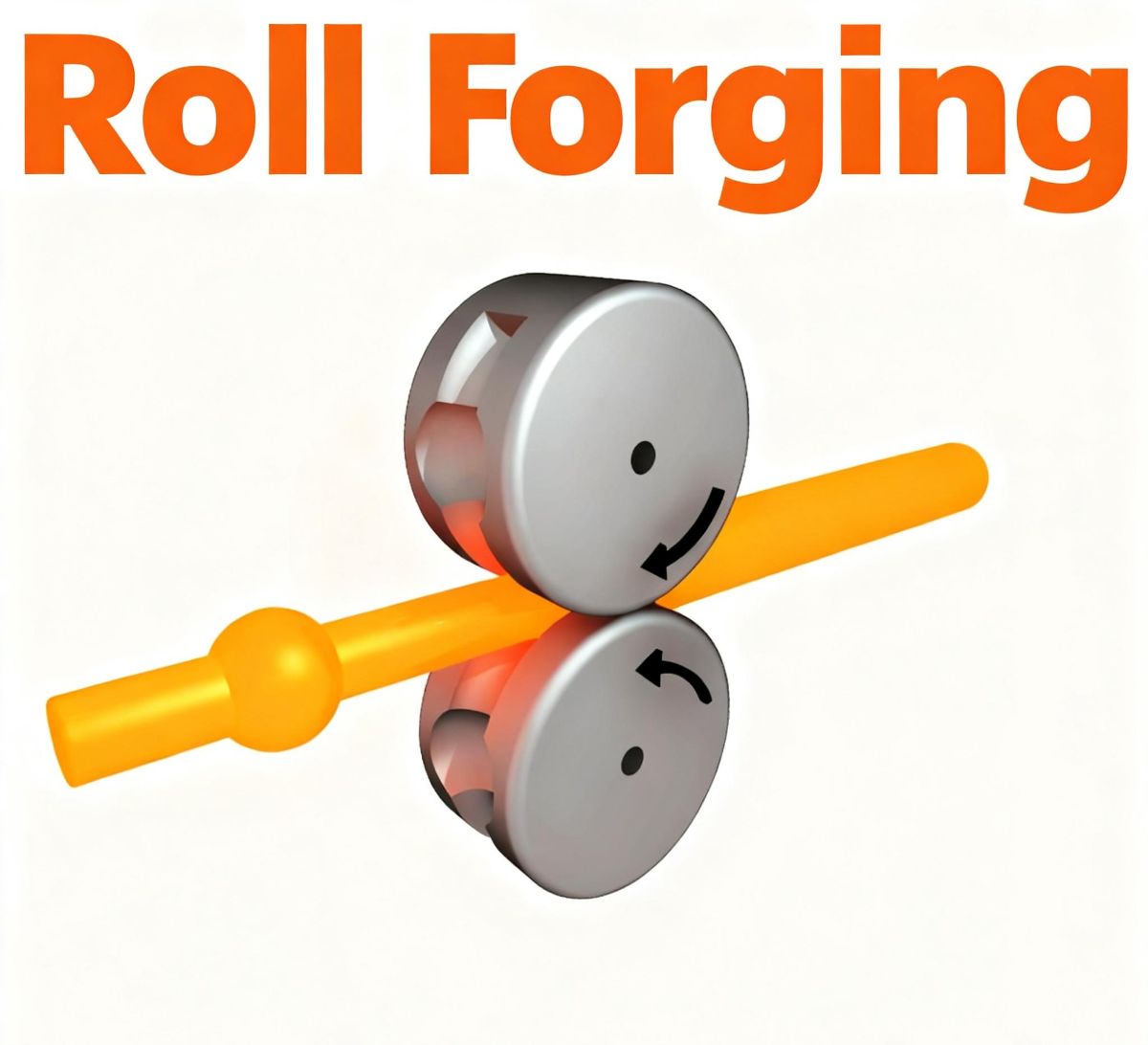
Roll Forging Process: Benefits and Industrial Uses
Roll Forging Process: Benefits and Industrial Uses Introduction Roll forging is a precision metal forming process that shapes heated billets between rotating rolls to produce uniform, high-strength ...
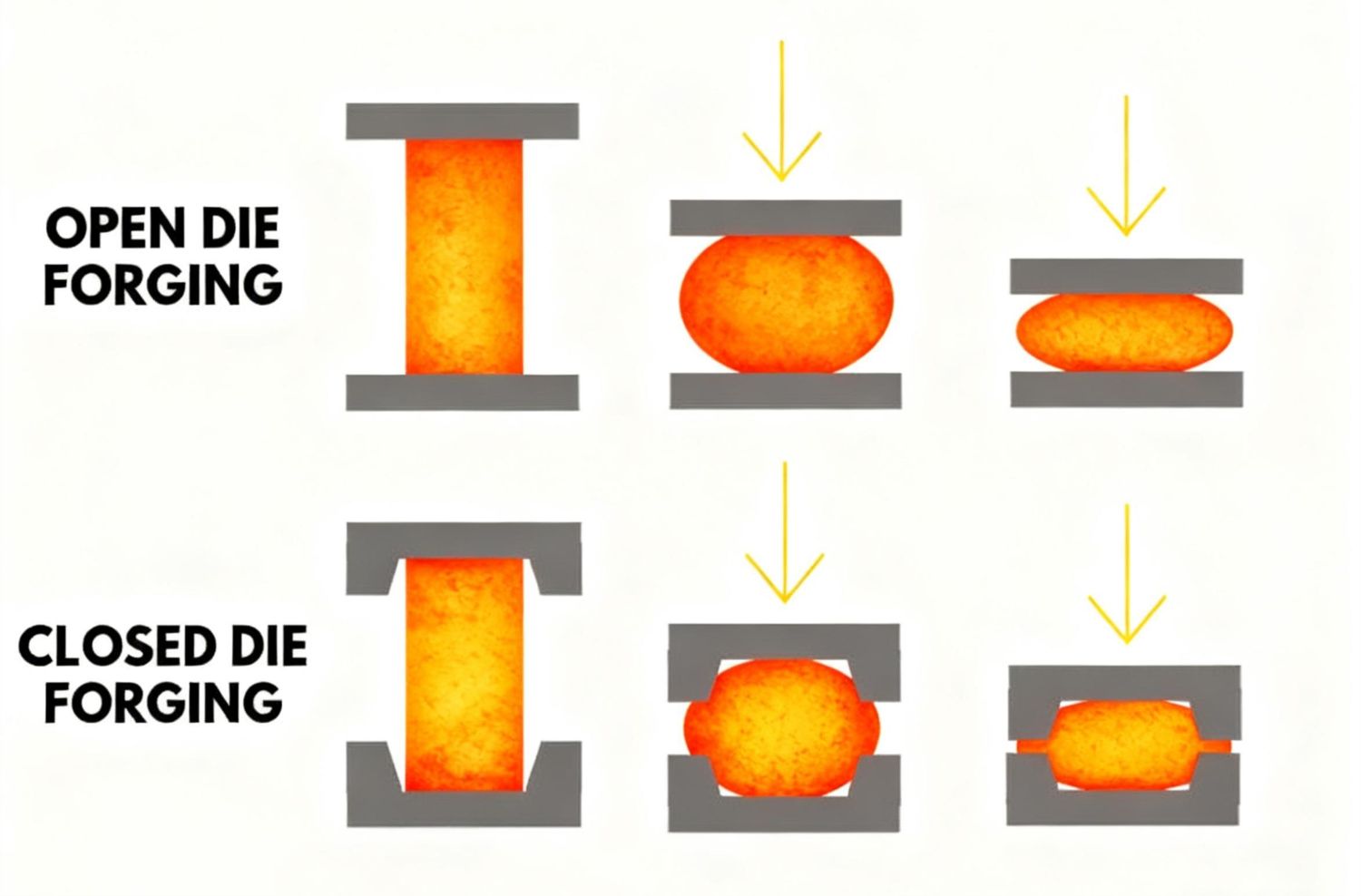
Open Die Forging vs Closed Die Forging
Open Die Forging vs Closed Die Forging: Key Differences Open die forging and closed die forging are two common metal forging processes used to manufacture ...
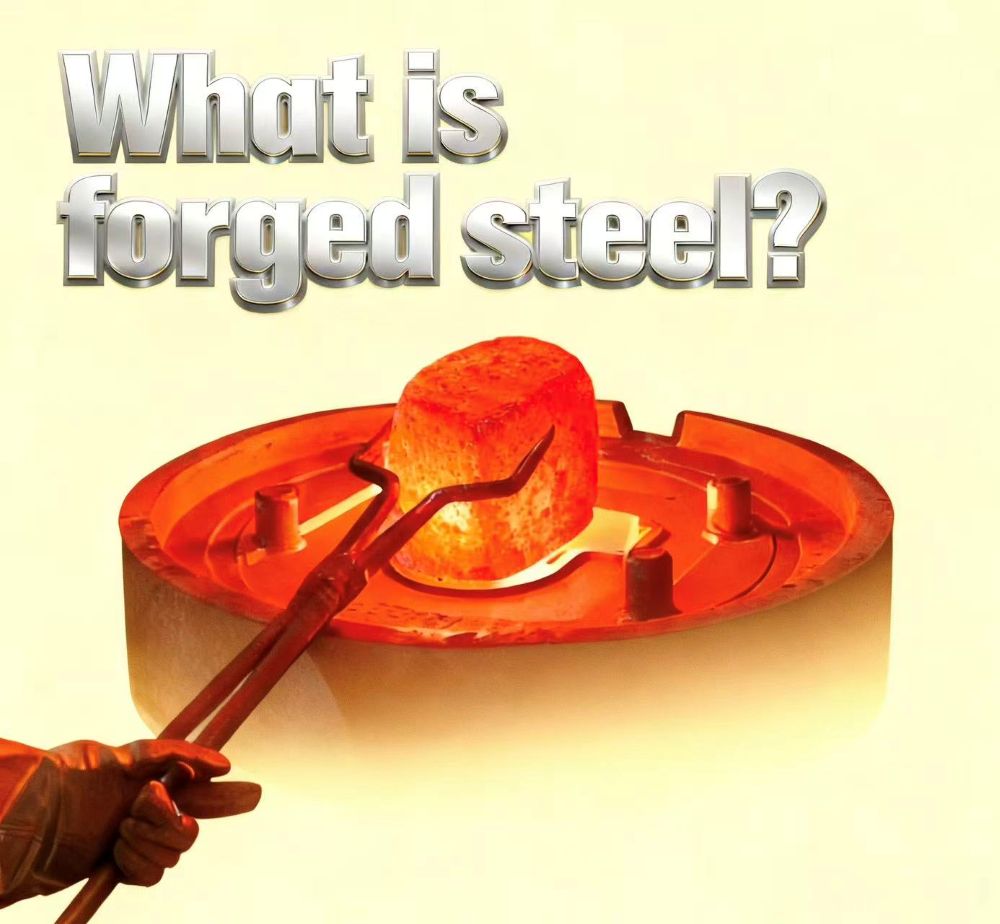
What Is Forged Steel?
Forged Steel: Properties, Grades & Applications Forged steel is steel that has been shaped by controlled plastic deformation, typically at elevated temperature. The forging process ...
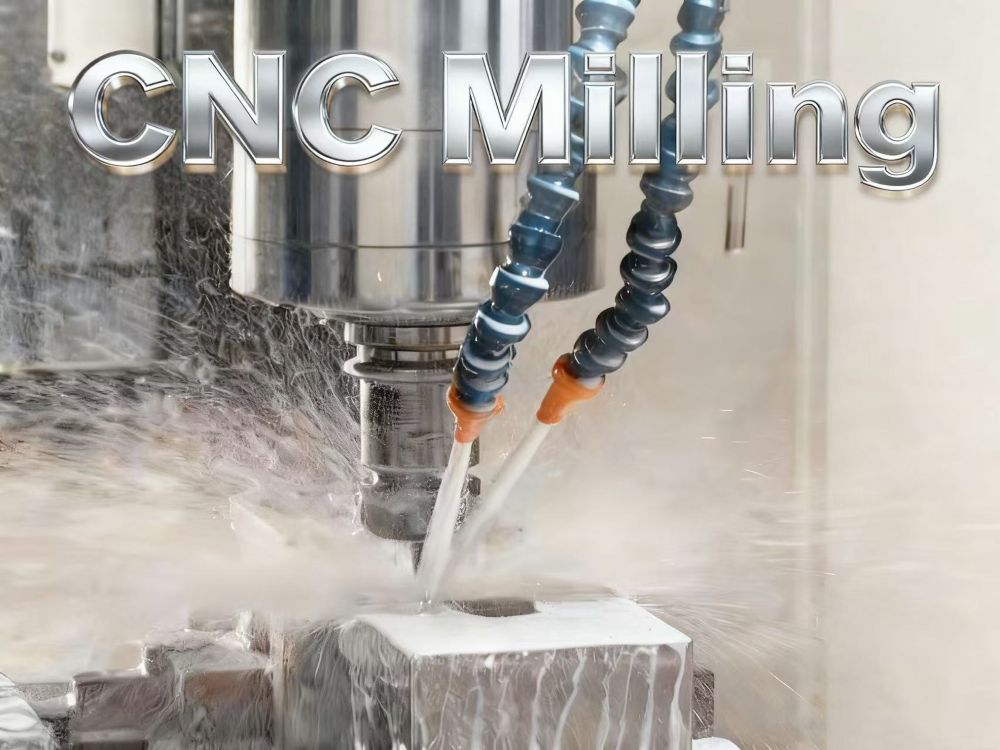
CNC Milling Services: Process, Capabilities & Applications
CNC Milling Services: Process, Capabilities & Applications CNC milling services play a critical role in manufacturing high-precision components for industries such as mining, construction, energy, ...
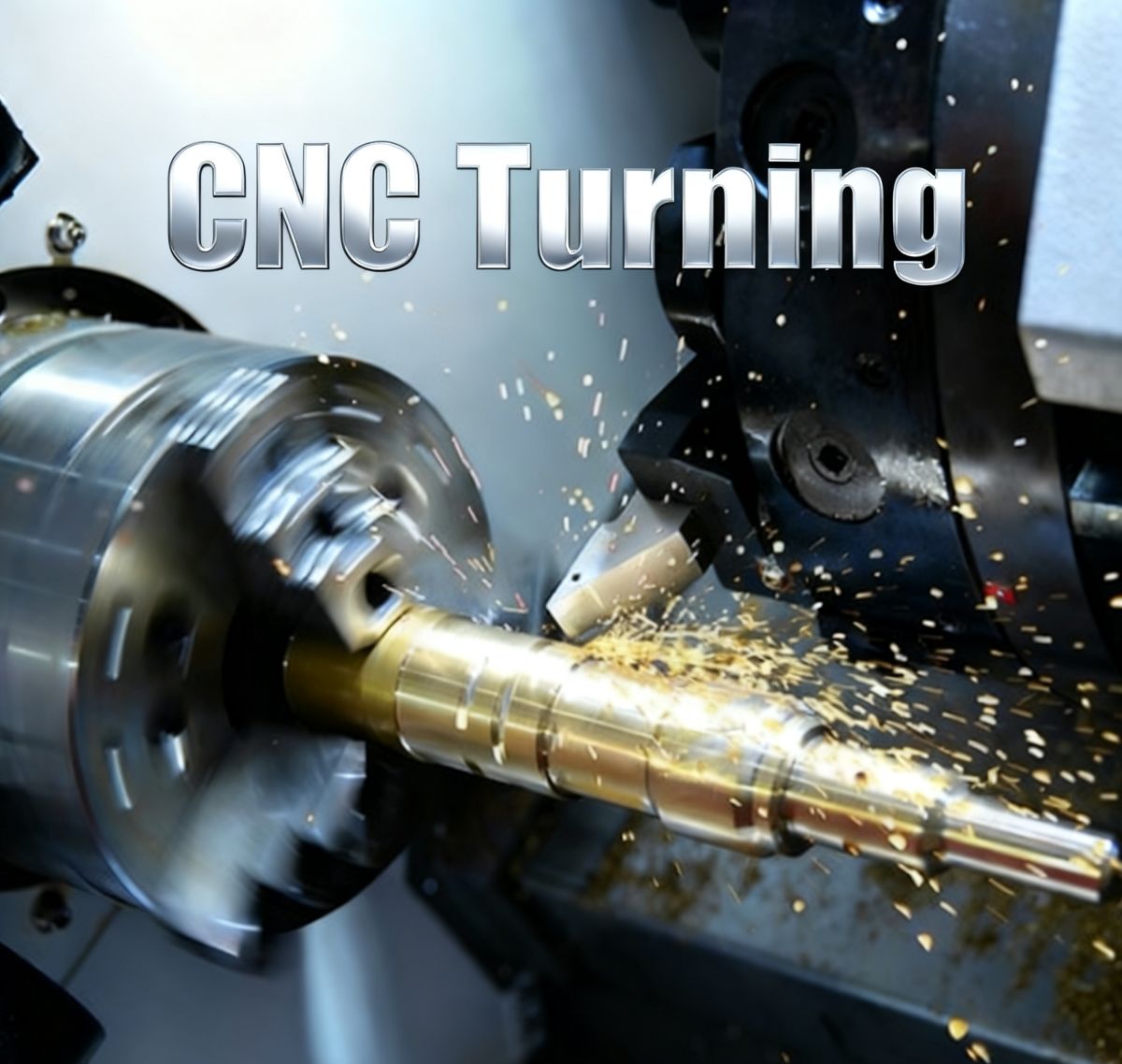
CNC Turning Guide: Process, Types & Applications
CNC Turning Guide: Process, Types, Materials & Applications CNC turning is a precision machining process used to produce cylindrical components by rotating the workpiece while ...
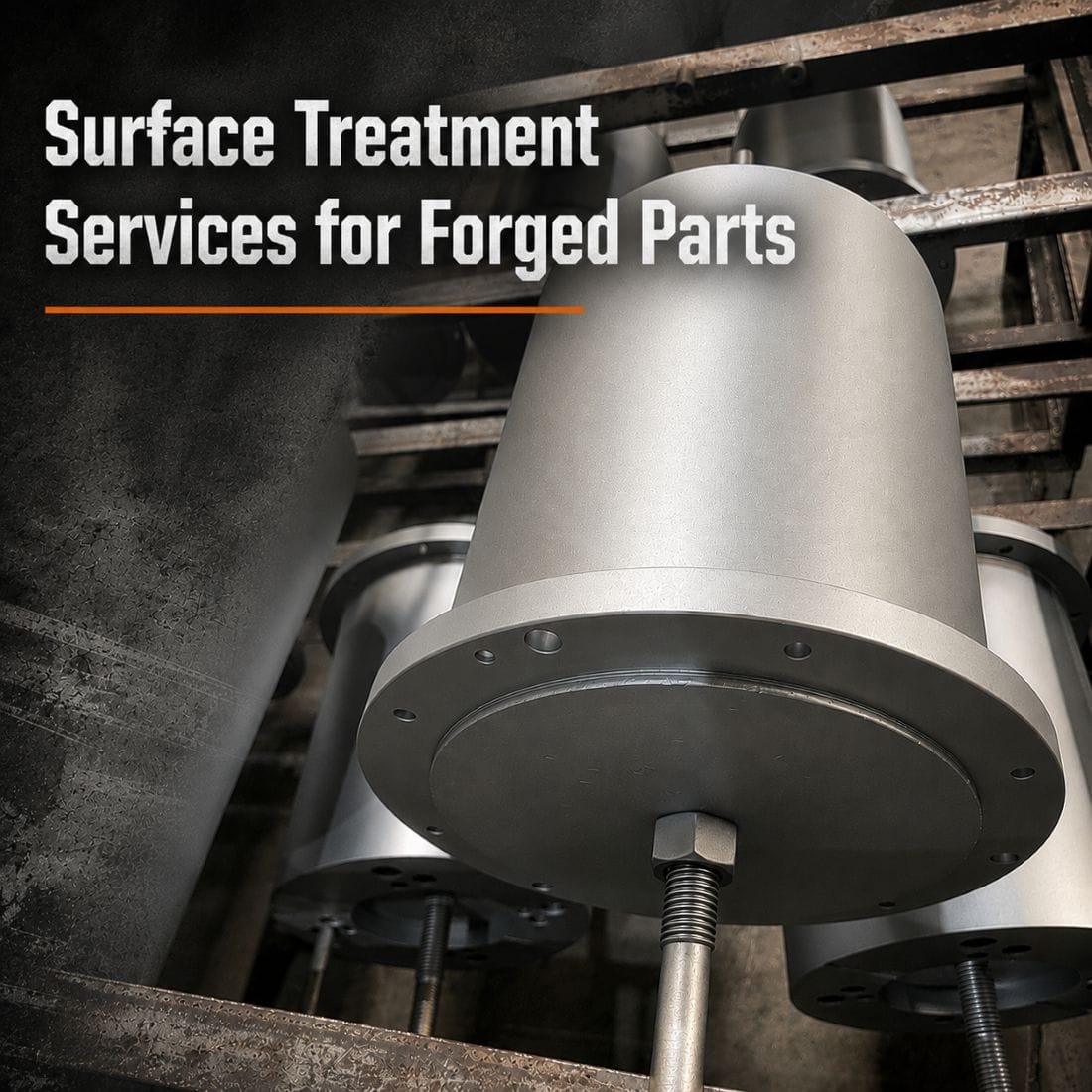
Surface Treatment for Forged Components: Methods & Benefits
Surface Treatment for Forged Components: Methods & Benefits Surface treatment plays a critical role in improving the performance and service life of forged and machined ...
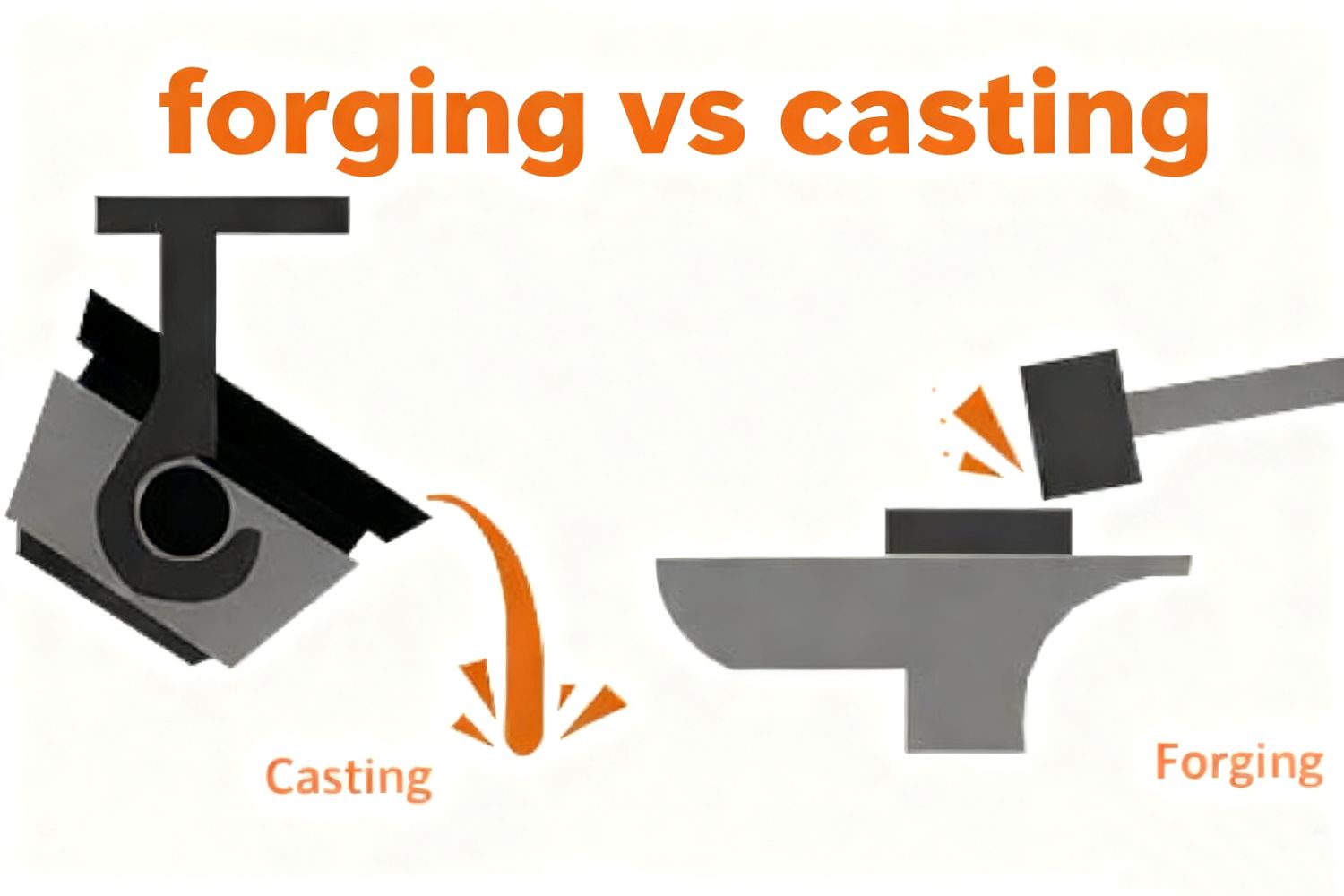
Forging vs Casting: Which Is Better
Forging vs Casting: Which Is Better? When evaluating manufacturing methods for industrial components, forging vs casting is one of the most common comparisons. Both processes ...
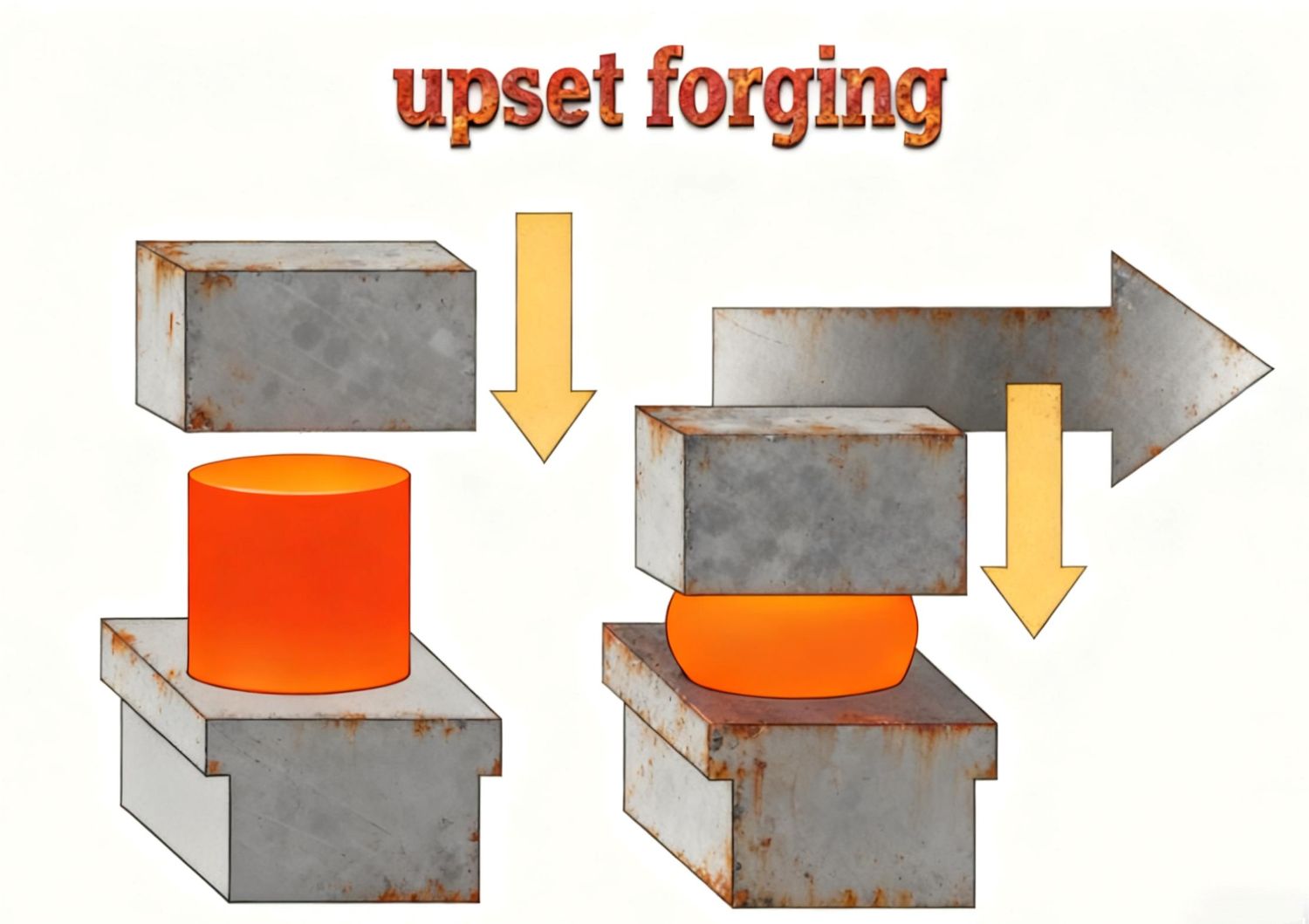
Upset Forging: Process, Applications & Advantages
Upset Forging: Process, Applications & Advantages Upset forging, also known as heading or upsetting, is a precision metal-forming process used to enlarge the cross-sectional area ...
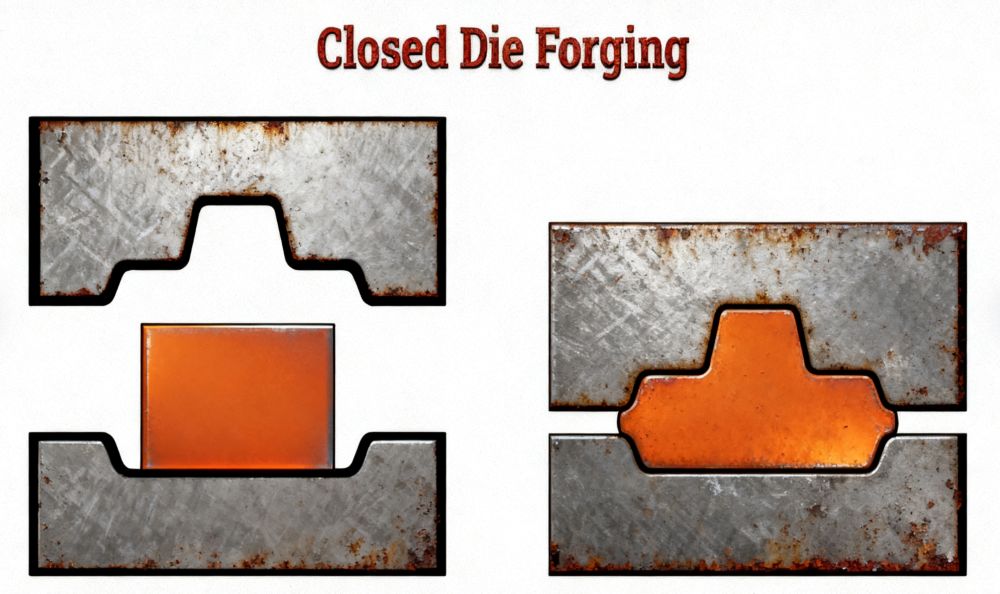
Closed Die Forging: Process, Advantages & vs Casting
Closed Die Forging: Process, Advantages & vs Casting Closed die forging is one of the most widely used metal forming processes for manufacturing high-strength components ...