
- All
- Applications
- CNC Machining
- Forged Components
- Forging Process
- Industry Knowledge
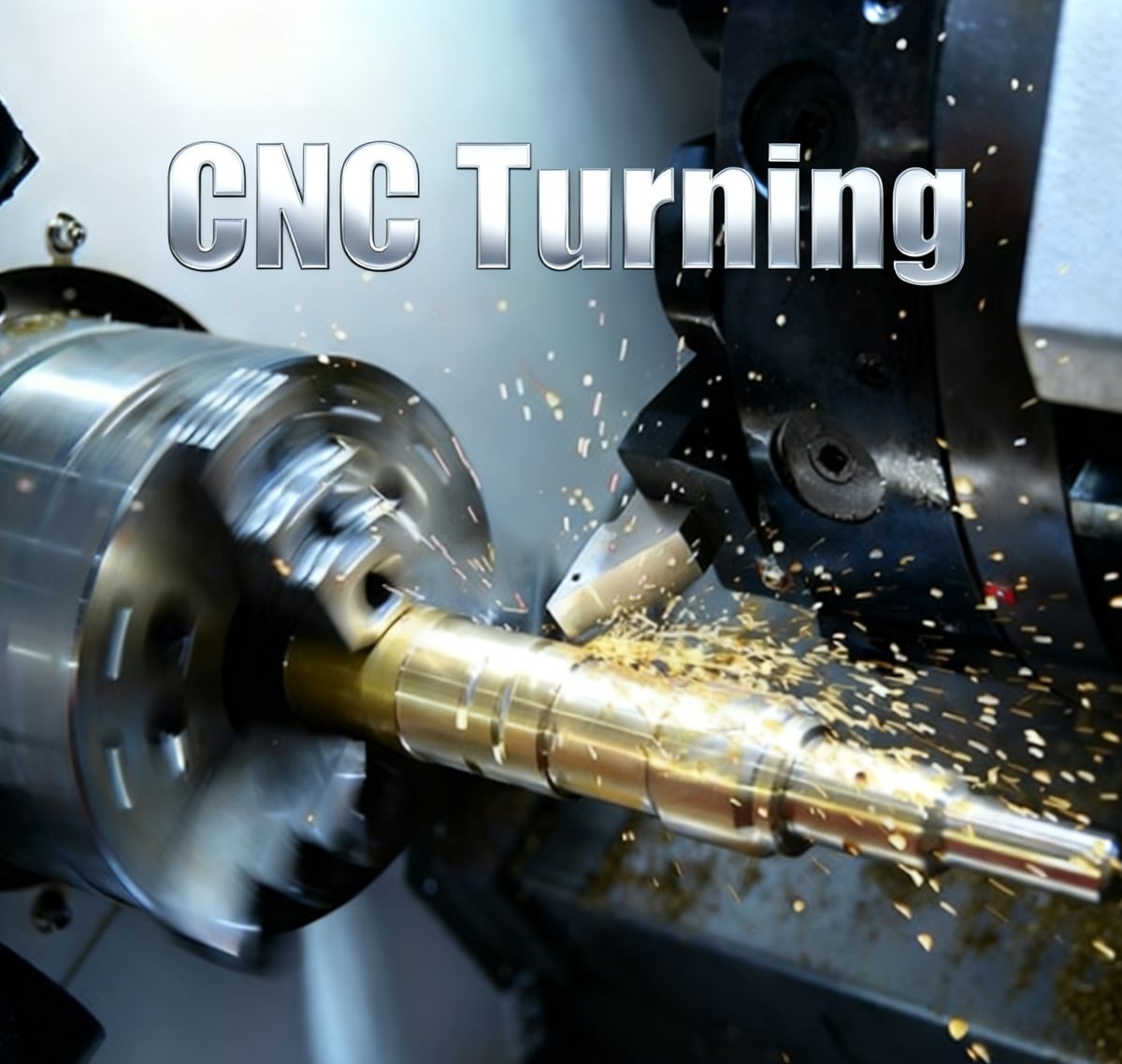
CNC Turning Guide: Process, Types & Applications
CNC Turning Guide: Process, Types, Materials & Applications CNC turning is a precision machining process used to produce cylindrical components by rotating the workpiece while ...
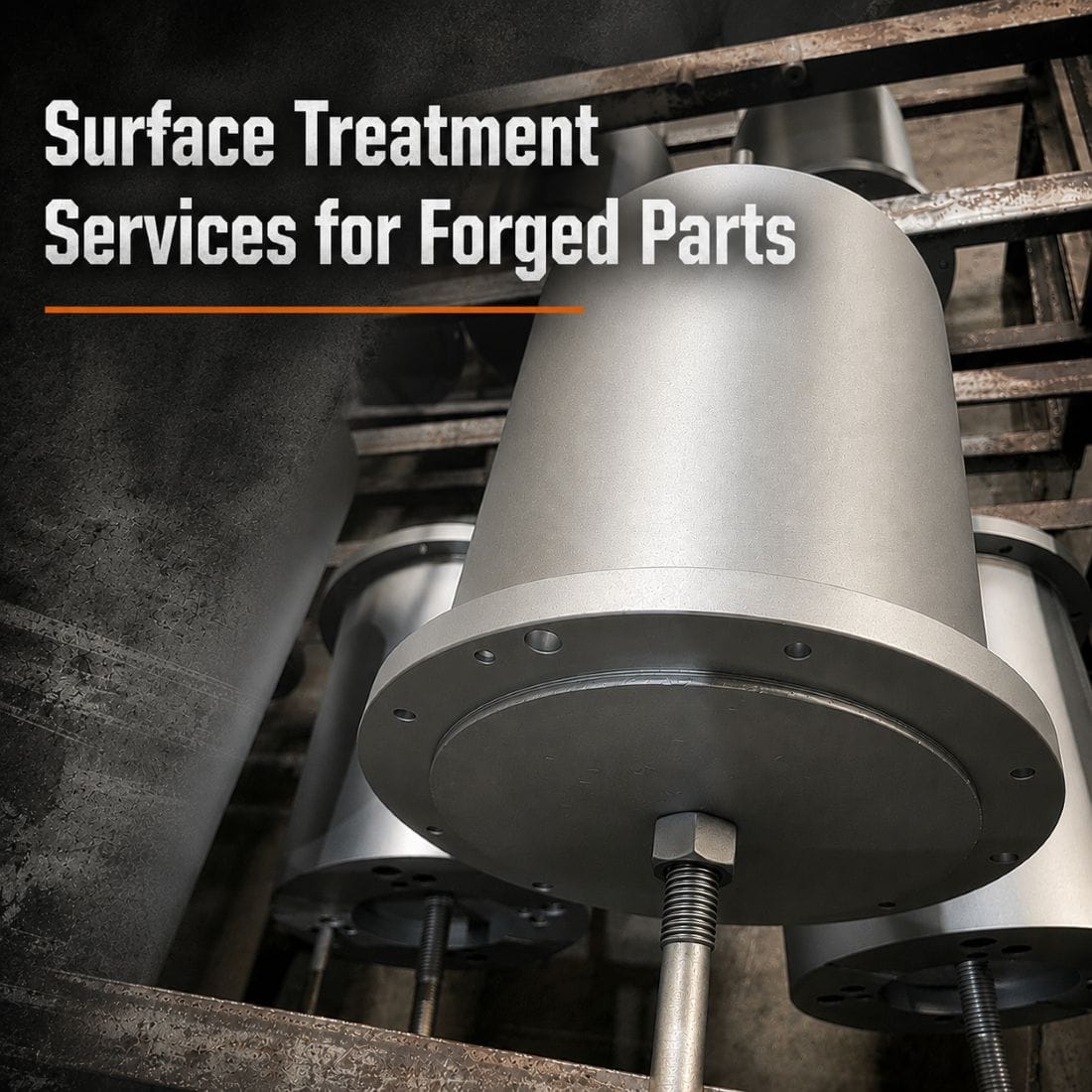
Surface Treatment for Forged Components: Methods & Benefits
Surface Treatment for Forged Components: Methods & Benefits Surface treatment is used to modify the surface properties of metal components, improving corrosion resistance, wear performance, ...
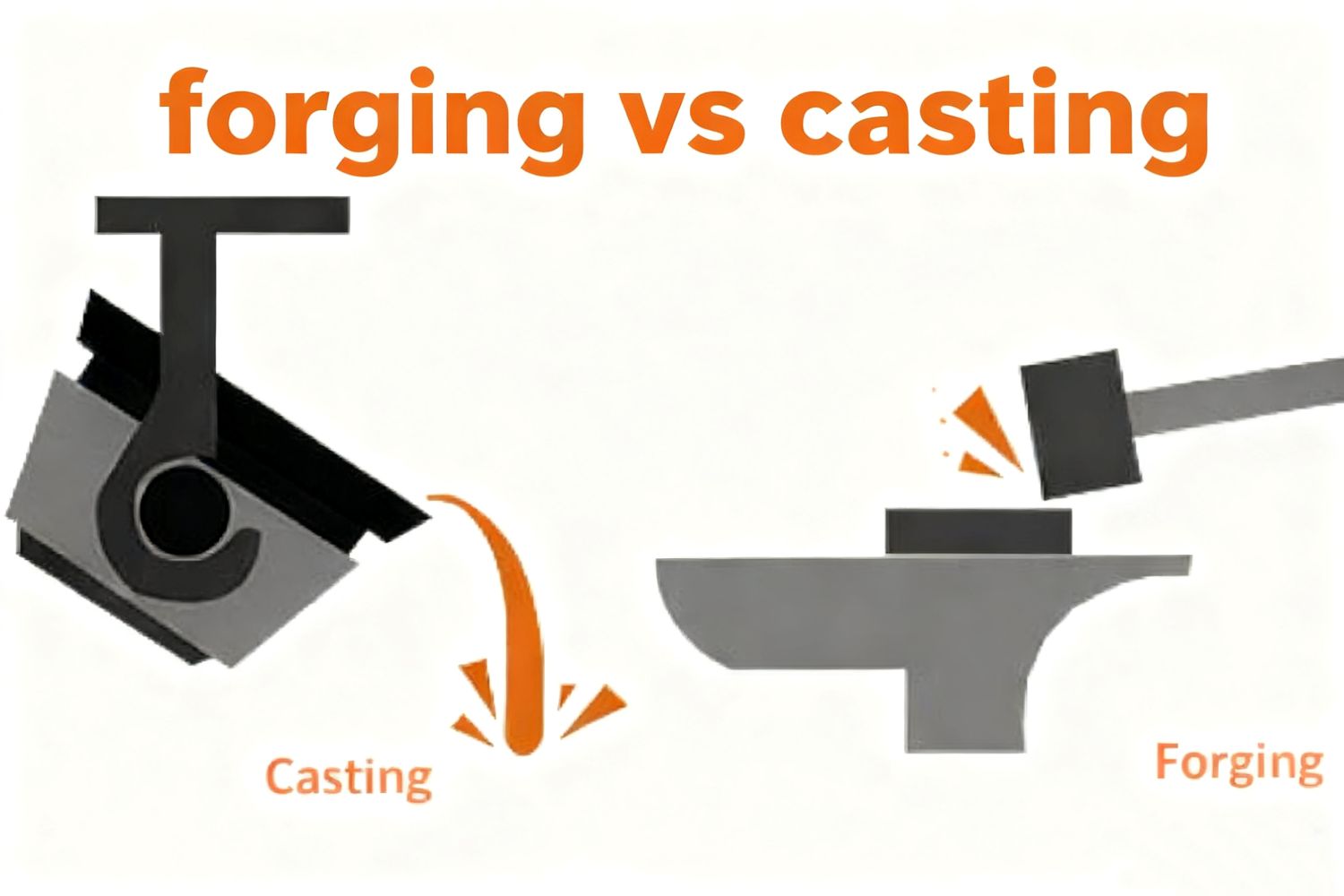
Forging vs Casting: Which Is Better
Forging vs Casting: Which Is Better? When evaluating manufacturing methods for industrial components, forging vs casting is one of the most common comparisons. Both processes ...
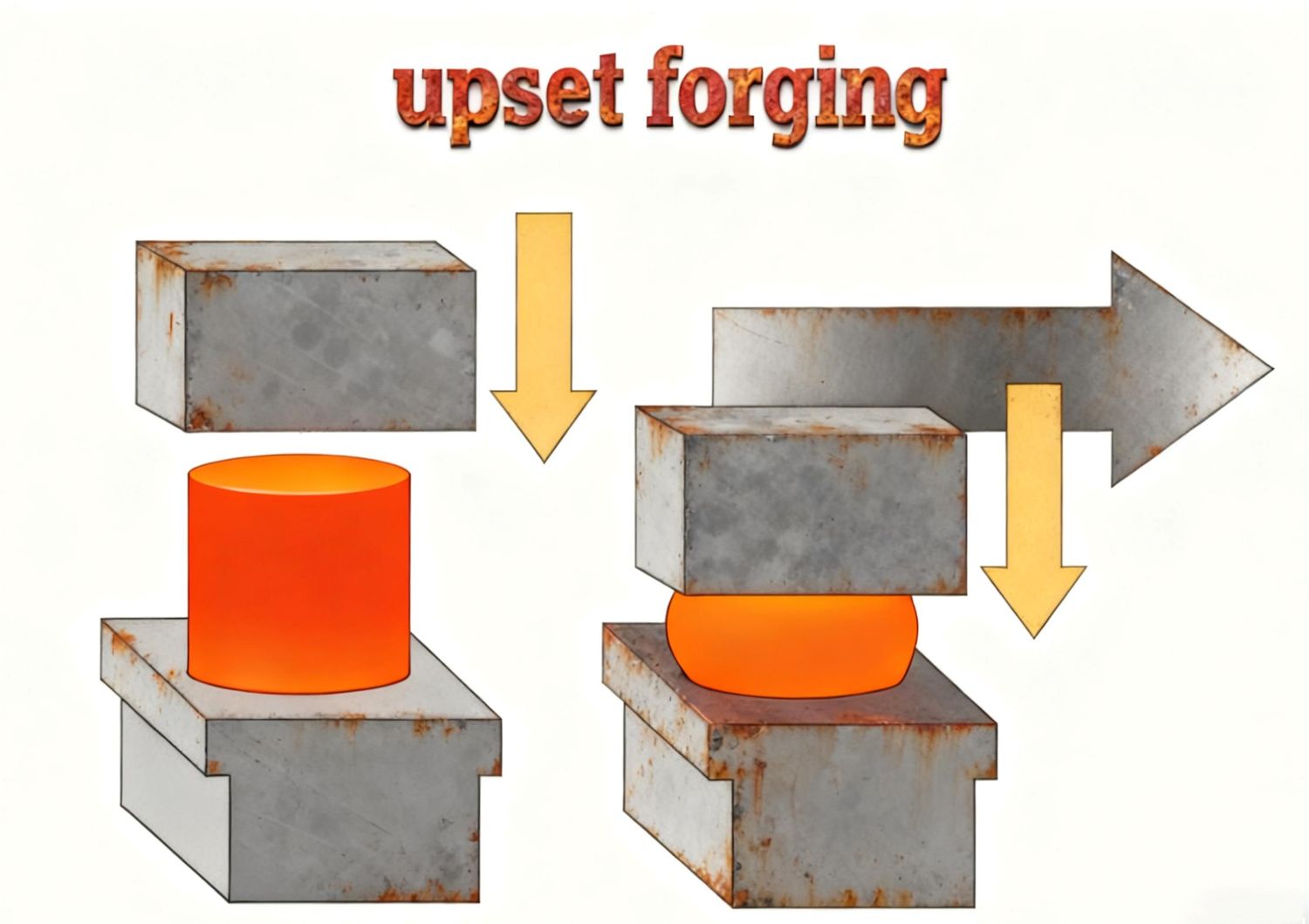
Upset Forging: Process, Applications & Advantages
Upset Forging: Process, Applications & Advantages Upset forging, also known as heading or upsetting, is a precision metal-forming process used to enlarge the cross-sectional area ...
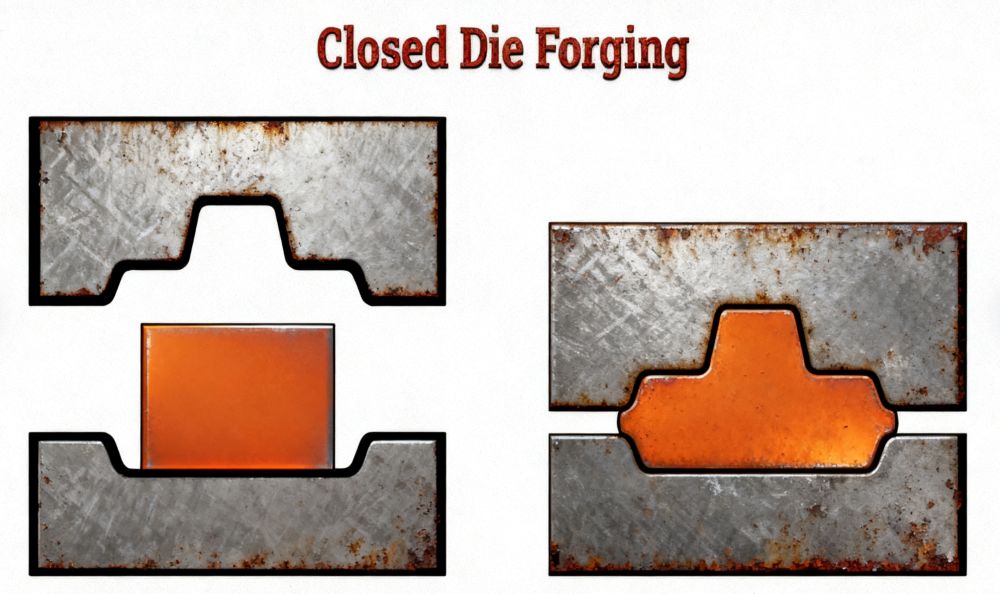
Closed Die Forging: Process, Advantages & vs Casting
Closed Die Forging: Process, Parts & OEM Applications Closed die forging, also known as impression die forging, shapes heated metal between dies containing a defined ...
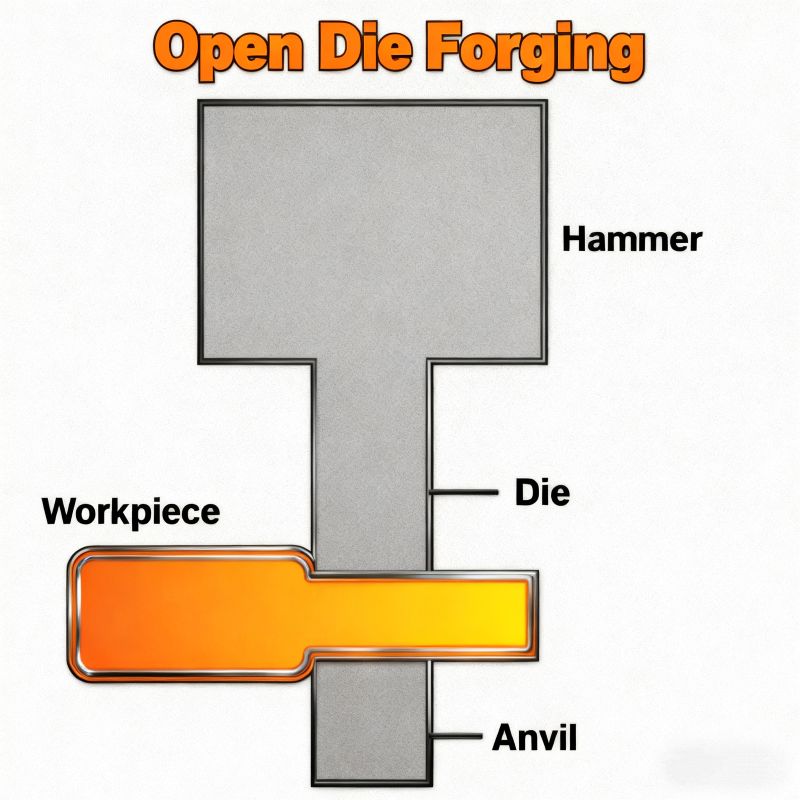
Open Die Forging: Process, Benefits & Applications
Open Die Forging: Process, Benefits & Applications Open die forging is widely used for producing high-strength components in industries where reliability, durability, and structural performance ...
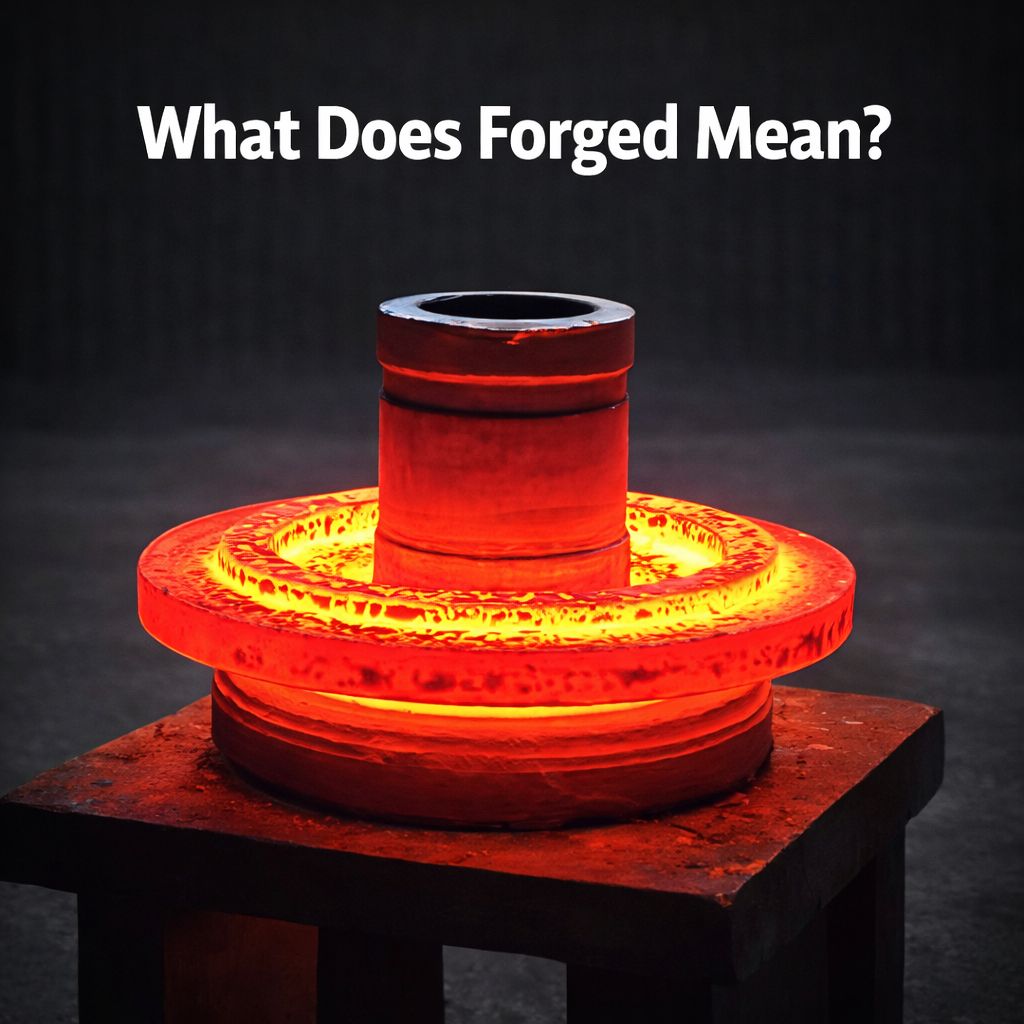
What Does Forged Mean? A Guide to Forged Parts
What Does Forged Mean? Forged Steel Manufacturing Explained In manufacturing, “forged” refers to metal components shaped through controlled deformation under pressure. Unlike casting, forging reshapes ...
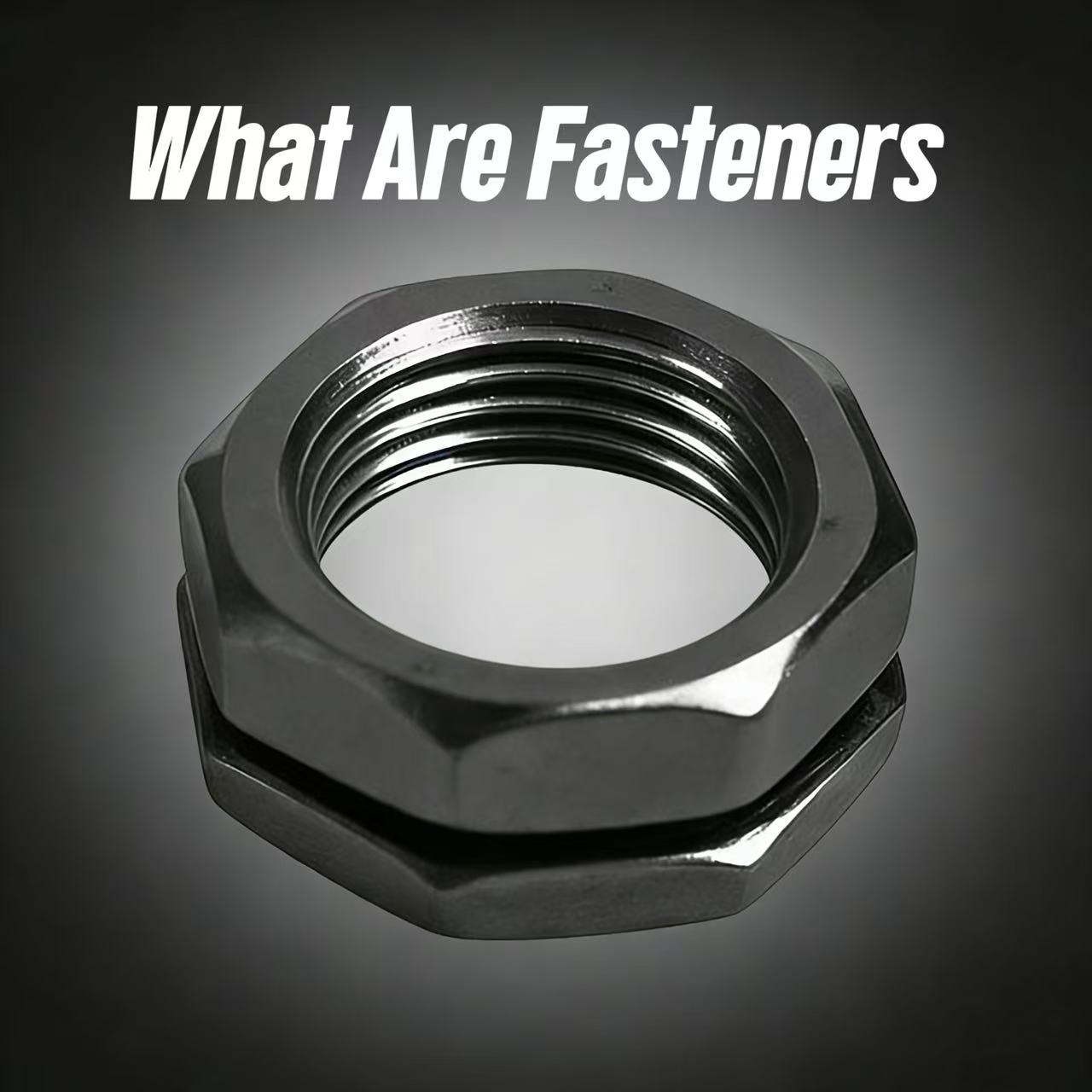
What Are Fasteners?
What Are Fasteners? Fasteners are mechanical components used to join, secure, or position parts in an assembly. Common types include bolts, screws, nuts, rivets, and ...
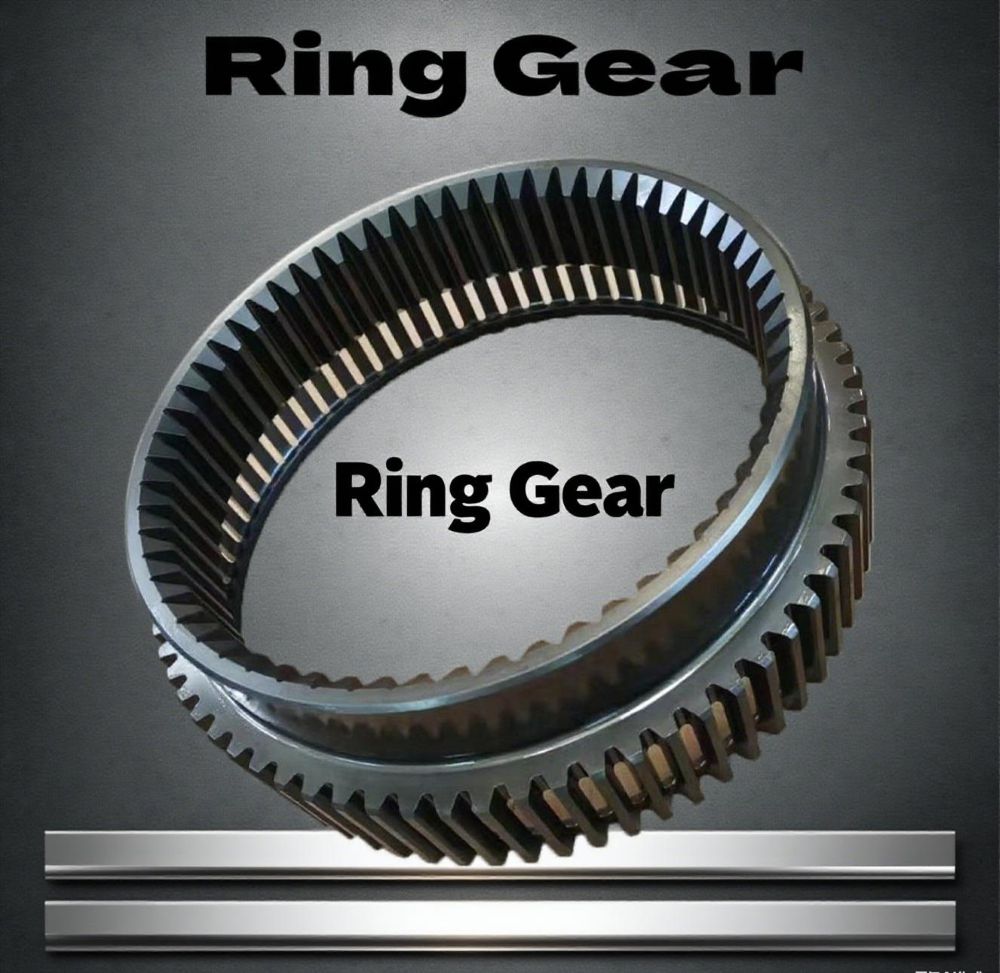
Ring Gear Types, Applications & Forged Guide
Ring Gear Types, Applications & Forged Guide Ring gears are critical components in heavy-duty transmission systems. They transfer torque, handle shock loads, and ensure stable ...