
Metal Forging: Methods, Process and Applications
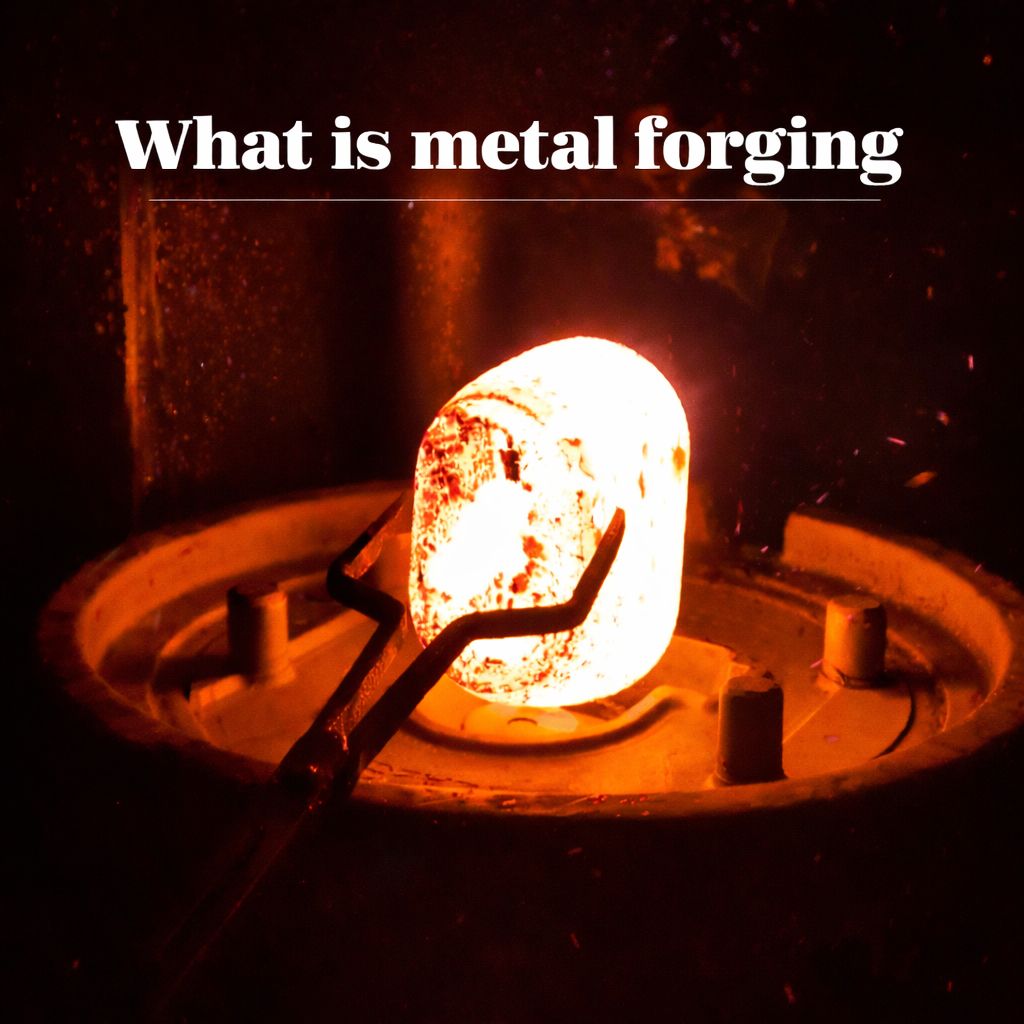
Metal forging is a manufacturing process that shapes solid metal through controlled compressive forces using presses, hammers, or dies. Unlike casting, forging does not melt the material but changes its shape while improving grain flow, strength, and fatigue resistance.
For OEM manufacturers, custom metal forging is widely used for producing high-performance components in industries such as automotive, mining, heavy equipment, energy, and industrial machinery.
This guide explains the metal forging process, common forging types, materials, applications, cost factors, and key considerations when selecting a reliable forging supplier.
What Is Metal Forging?
Metal forging is a manufacturing method that forms metal by applying pressure to create a permanent shape change. The process can be performed using different equipment, including forging presses, hammers, and dies.
Because forging maintains continuous grain flow inside the component, forged parts usually provide higher strength, durability, and fatigue resistance compared with many other manufacturing methods.
Unlike casting, where liquid metal is poured into a mold, forging shapes solid metal through mechanical force. This makes forging suitable for high-load applications where reliability and structural performance are important.
Metal Forging Process: Step-by-Step
The metal forging process consists of multiple controlled stages, each directly affecting final part quality:
- Heating – The billet is heated to a controlled temperature range to achieve optimal plasticity without overheating or grain coarsening.
- Deformation/Forming – The material is shaped using dies or presses. Proper die design ensures consistent geometry and controlled material flow.
- Trimming – Excess flash is removed to define the near-net shape.
- Heat Treatment – Processes such as normalizing, quenching, and tempering refine microstructure and improve mechanical properties.
- Machining – CNC machining is applied to achieve tight tolerances (e.g., IT6–IT8) and surface finish requirements.
Process stability across these steps is essential for ensuring repeatability in OEM production.
Common Forging Methods
Different forging methods are selected depending on component size, complexity, production volume, and required performance.
Open Die Forging
Open die forging uses simple dies to shape metal without completely enclosing the material. It is commonly used for large components such as shafts, rings, and heavy industrial parts.
This method provides flexibility for producing large forged components with excellent material flow and mechanical properties.
Closed Die Forging
Closed die forging uses specially designed dies to form metal into a specific shape. Compared with open die forging, it provides better dimensional consistency and is suitable for producing complex components with higher repeatability.
Typical applications include gears, automotive parts, and industrial machinery components.
Ring Rolling Forging
Ring rolling forging is a specialized process used to produce seamless forged rings. During the process, a heated ring is reduced in thickness while increasing in diameter, creating continuous grain flow around the component.
Common applications include:
- Gear rings
- Bearing rings
- Flanges
- Heavy equipment components
With more than 20 years of ring rolling experience, Weforging supports customers requiring large and reliable forged ring components.
Temperature of Forging Steel – Why Heat Matters
Temperature plays a critical role in the metal forging process.
🔸 Hot Forging
Hot forging is performed above the material’s recrystallization temperature. At this stage, steel becomes more ductile, allowing easier deformation and better grain flow.
This method is commonly used for producing large components such as shafts, flanges, and heavy-duty fasteners, where strength and internal quality are essential.
🔸 Cold Forging
Cold forging is performed at or near room temperature. It offers:
- Higher dimensional accuracy
- Better surface finish
- Reduced machining requirements
However, it requires higher forming forces and is typically used for smaller precision parts such as bolts, nuts, and fittings.
👉 In practice, manufacturers often combine forging with heat treatment and CNC machining to achieve the optimal balance between strength, tolerance, and cost.
Common Materials Used in Forging
Forging materials vary depending on the part’s application and required strength. The most common are steel, aluminum, copper, and titanium.
Material | Properties | Applications |
Carbon Steel | Toughness, fatigue resistance, cost-efficient | Automotive and heavy equipment |
Stainless Steel | Corrosion resistance, high pressure strength | Marine, chemical, food processing |
Aluminum | Lightweight, strong, machinable | Aerospace, transportation |
Copper/Brass | Conductivity, durability | Electrical, plumbing, fittings |
Titanium | Strength-to-weight, corrosion resistant | Aerospace, defense, medical devices |
Forging vs Casting
Forging and casting are both important metal manufacturing processes, but they produce different material characteristics.
| Factor | Forging | Casting |
|---|---|---|
| Material condition | Solid metal | Molten metal |
| Process | Mechanical deformation | Melting and pouring |
| Strength | Higher due to grain flow | Generally lower |
| Best suited for | High-load components | Complex shapes |
Forging is usually preferred when mechanical strength, fatigue resistance, and durability are critical.
Casting may be a better choice for components requiring highly complex geometries that are difficult to achieve through forging.
Why Choose Custom Metal Forging?
Custom metal forging is widely used by OEM manufacturers that require strong, reliable, and consistent components.
Compared with many machining-only solutions, forging can improve material utilization and mechanical performance by creating optimized grain flow.
Key advantages include:
- Higher strength and durability
- Better fatigue resistance
- Reliable performance under heavy loads
- Suitable for long-term production
For custom forged components, selecting the right forging method and manufacturing partner is important to achieve the required balance between performance, cost, and production efficiency.
Quality Control in Forging
Quality control plays an important role in producing reliable forged components.
A professional forging supplier should have control over:
- Material traceability
- Heat treatment process
- Dimensional inspection
- Mechanical testing
- Non-destructive testing
Depending on project requirements, inspection may include:
- CMM measurement
- Hardness testing
- Ultrasonic testing (UT)
- Magnetic particle testing (MT)
- Material certificates
These quality controls help ensure forged components meet customer specifications and production requirements.
Choosing the Right Forging Supplier
Selecting a suitable forging supplier requires evaluating both manufacturing capability and engineering support.
Important factors include:
- Forging process capability
- Experience with similar components
- Machining and finishing capability
- Quality control system
- Delivery reliability
For OEM customers, a supplier that can provide forging, CNC machining, heat treatment, and inspection under one process can simplify supply chain management.
Weforging provides integrated forging solutions including hot forging, closed die forging, ring rolling, CNC machining, heat treatment, and inspection services for industrial customers.
Conclusion
Metal forging remains one of the most reliable manufacturing processes for producing high-performance components.
By combining controlled deformation, optimized grain structure, and precision machining, forging delivers superior strength, durability, and long-term reliability.
For OEM buyers and engineers, choosing the right forging process and supplier is essential to achieving cost efficiency without compromising performance.