
- All
- Applications
- CNC Machining
- Forged Components
- Forging Process
- Industry Knowledge
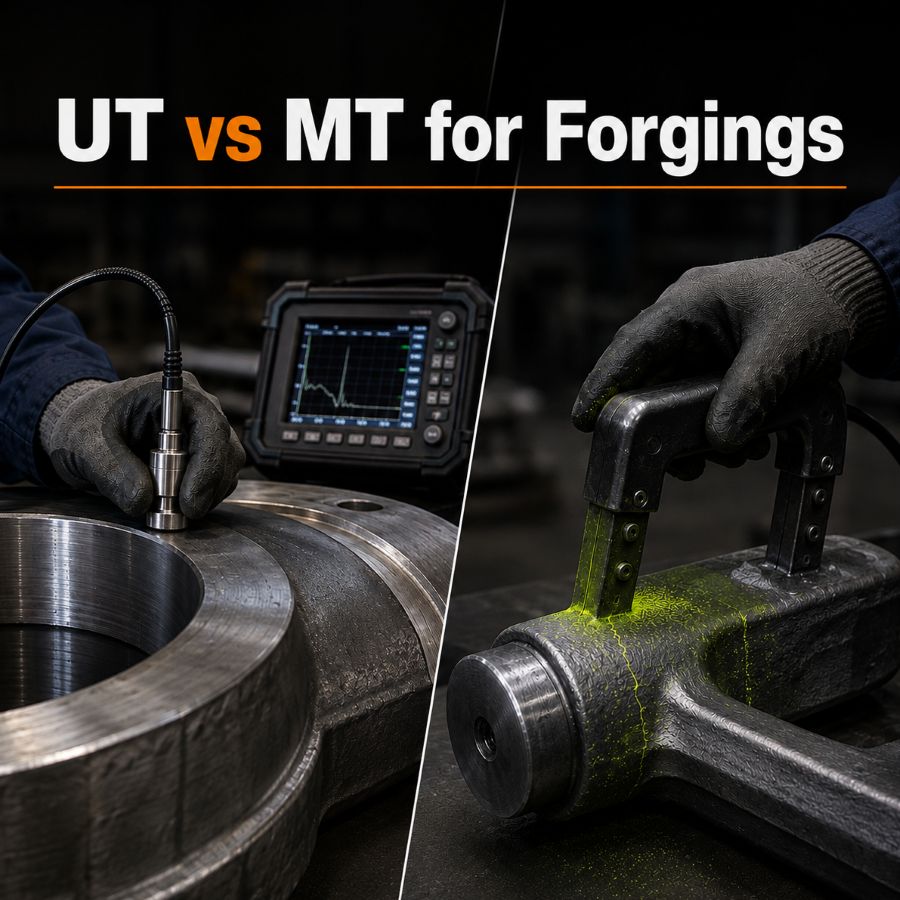
UT vs MT for Forgings: Differences, Defects & NDT Guide
UT vs MT for Forgings: Which Inspection Method Is Needed? UT vs MT for forgings depends on the inspection target. Ultrasonic testing (UT) is mainly used for ...
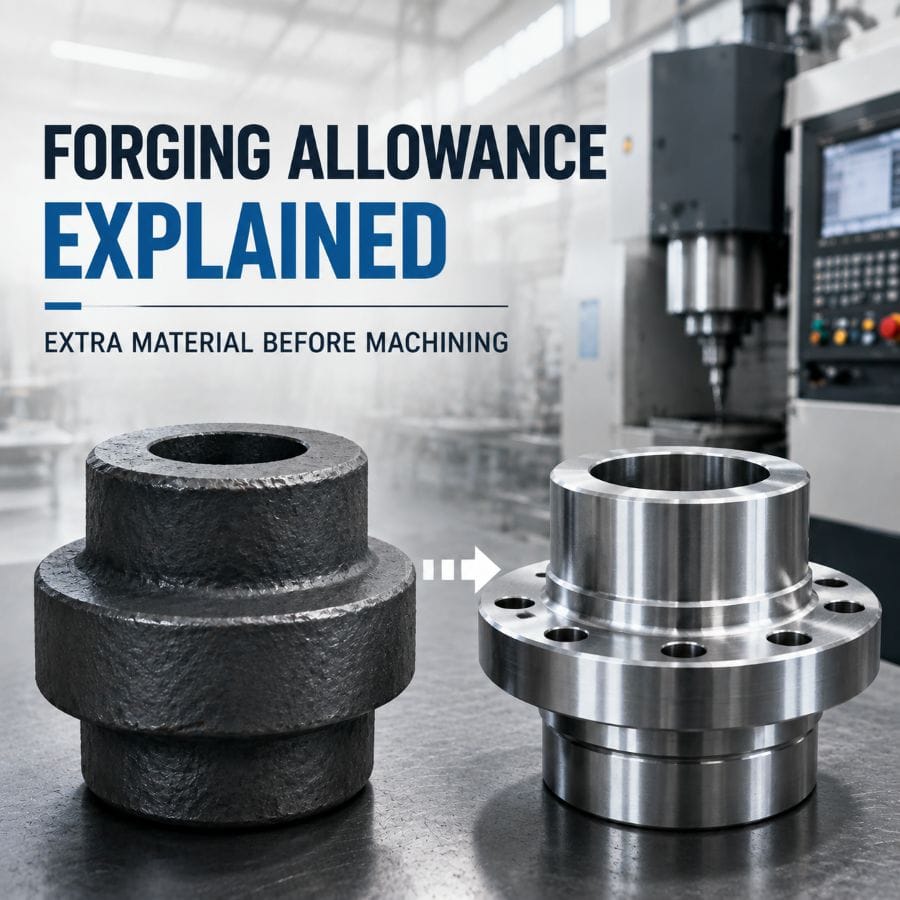
Forging Allowance Explained: Why Extra Material Is Added
Forging Allowance Explained: Why Extra Material Is Added Forging allowance is the extra material added to forged components before machining to achieve the required dimensions, surface ...
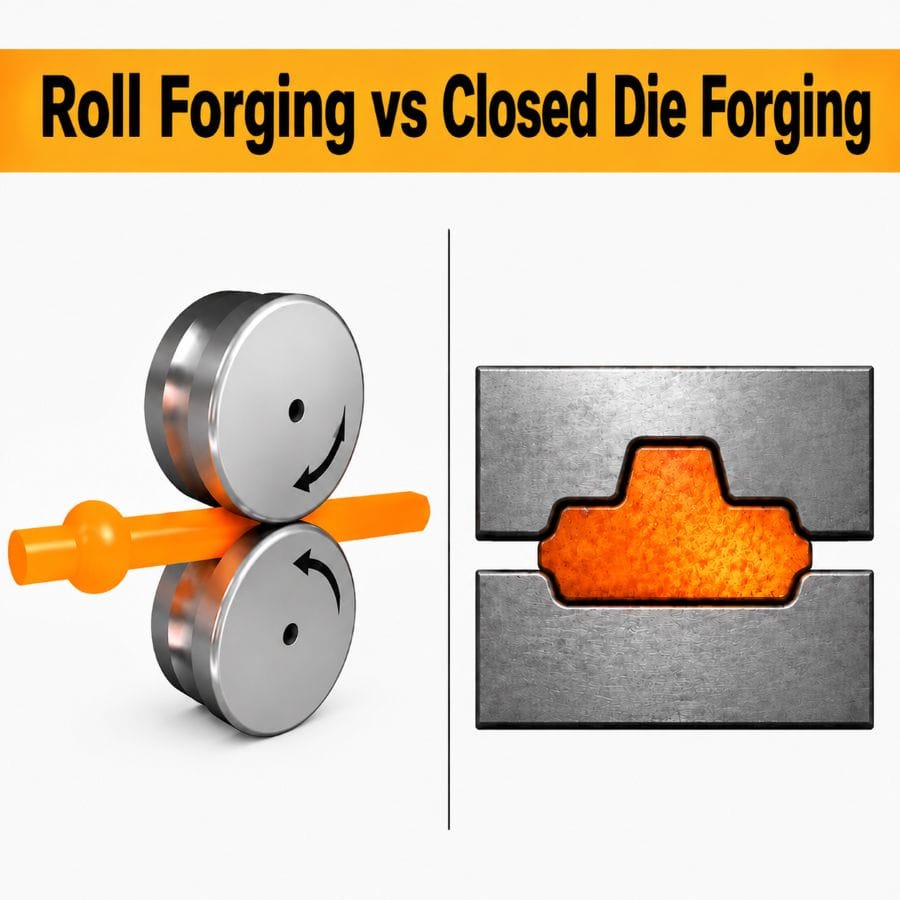
Roll Forging vs Closed Die Forging: Key Differences
Roll Forging vs Closed Die Forging: Key Differences Roll forging and closed die forging are two different forging processes used to produce metal components with improved strength ...
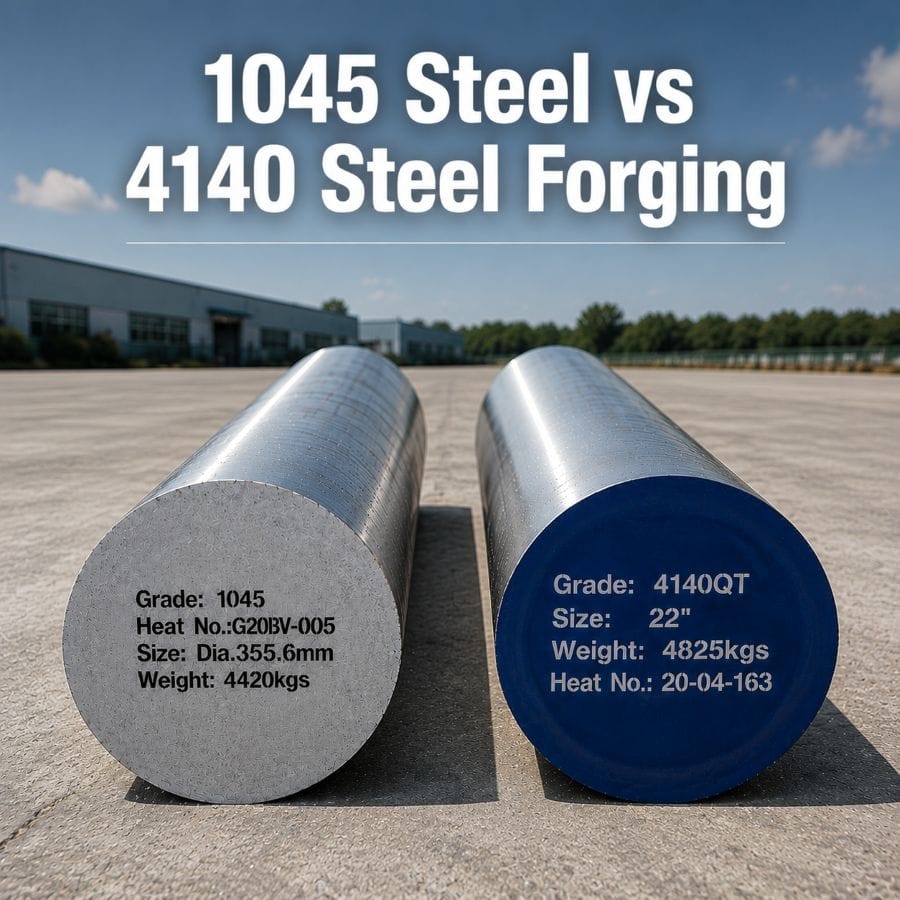
1045 Steel vs 4140 Steel Forging: Which to Choose?
1045 Steel vs 4140 Steel Forging: Which to Choose? 1045 steel vs 4140 steel is a common comparison when selecting materials for forged components, especially for ...
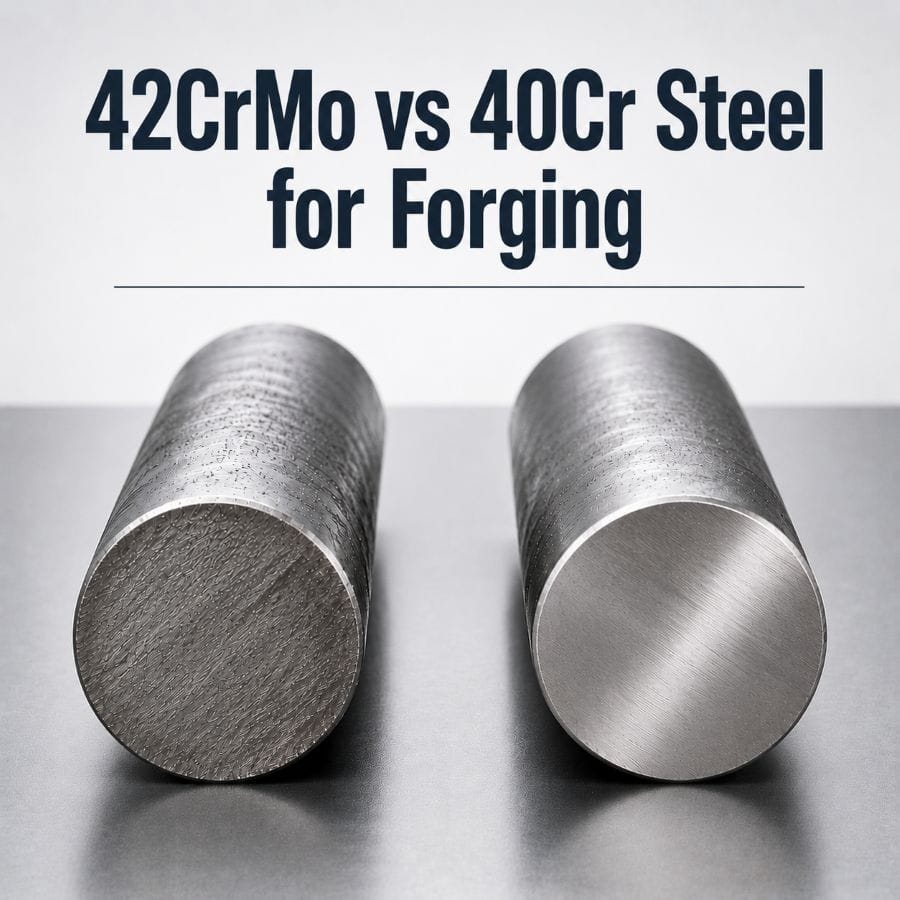
42CrMo vs 40Cr Steel for Forging: Which to Choose?
42CrMo vs 40Cr Steel for Forging: Which Material Is Better? Choosing the right steel grade is an important step when manufacturing forged 42CrMo steel and ...
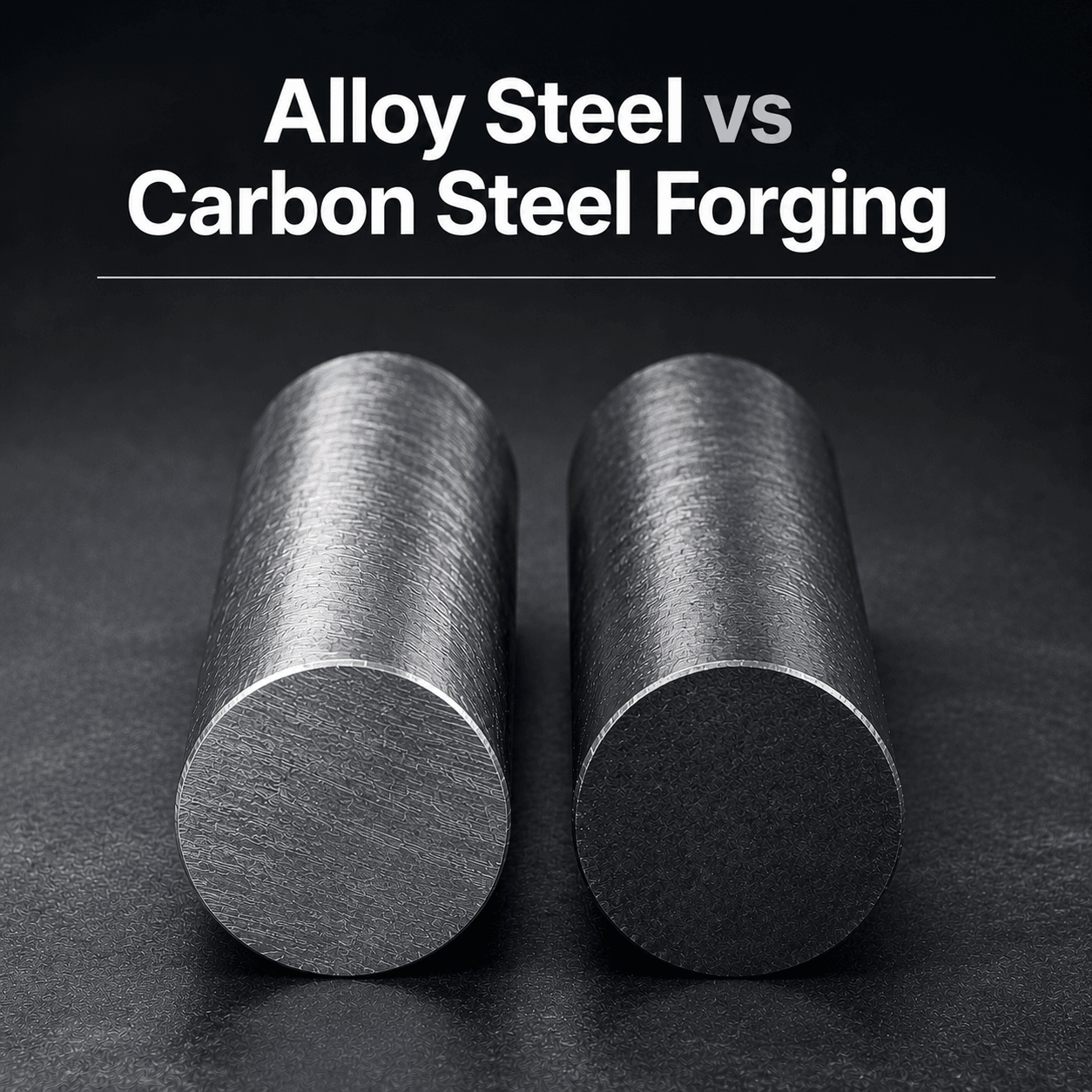
Alloy Steel vs Carbon Steel Forging: Key Differences
Alloy Steel vs Carbon Steel Forging: Key Differences Alloy Steel vs Carbon Steel Forging is a critical material selection decision for engineers and manufacturers producing gears, ...
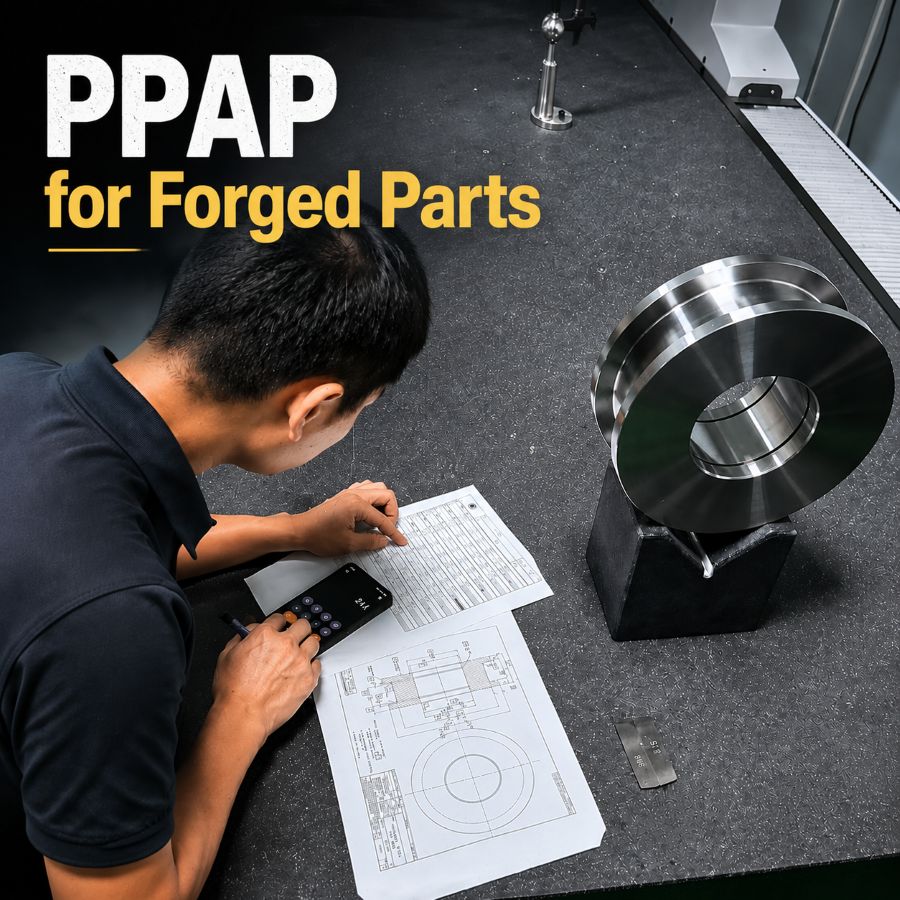
PPAP for Forged Parts: Requirements & Supplier Guide
PPAP for Forged Parts: Requirements & Best Practices Introduction PPAP for forged parts is a critical step in verifying that a supplier can consistently manufacture components ...
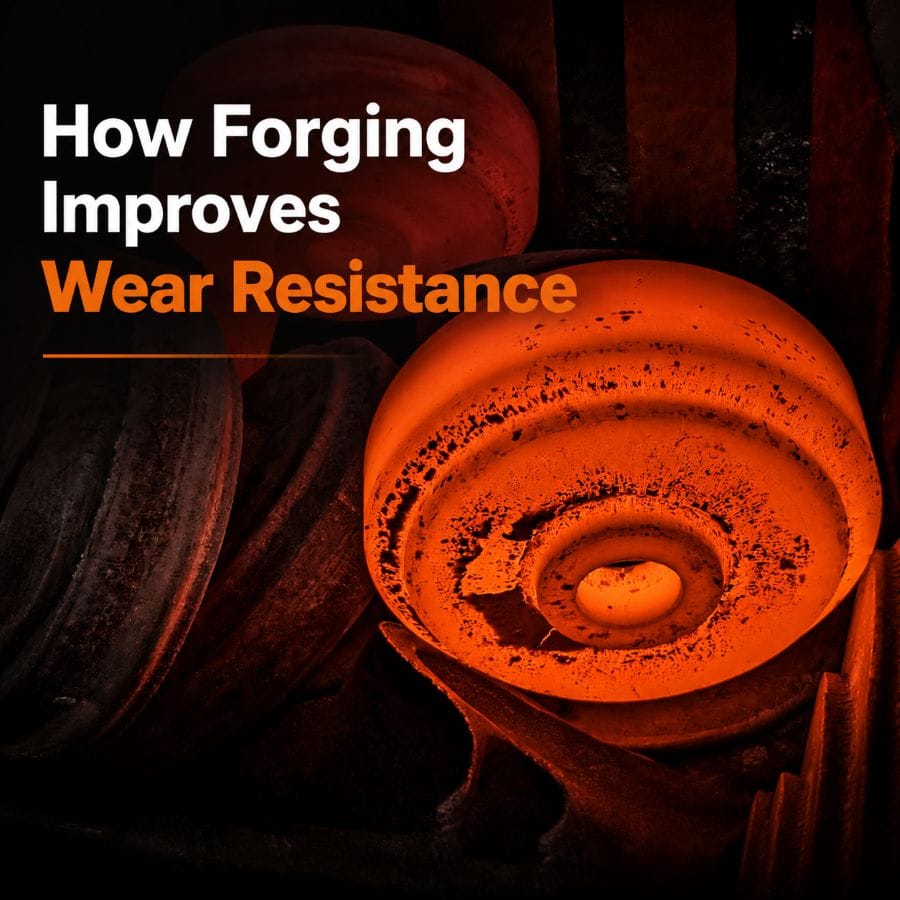
How Forging Improves Wear Resistance in Parts
How Forging Improves Wear Resistance in Industrial Parts How can you improve wear resistance without simply increasing hardness? For industrial parts operating under abrasive and high-load ...
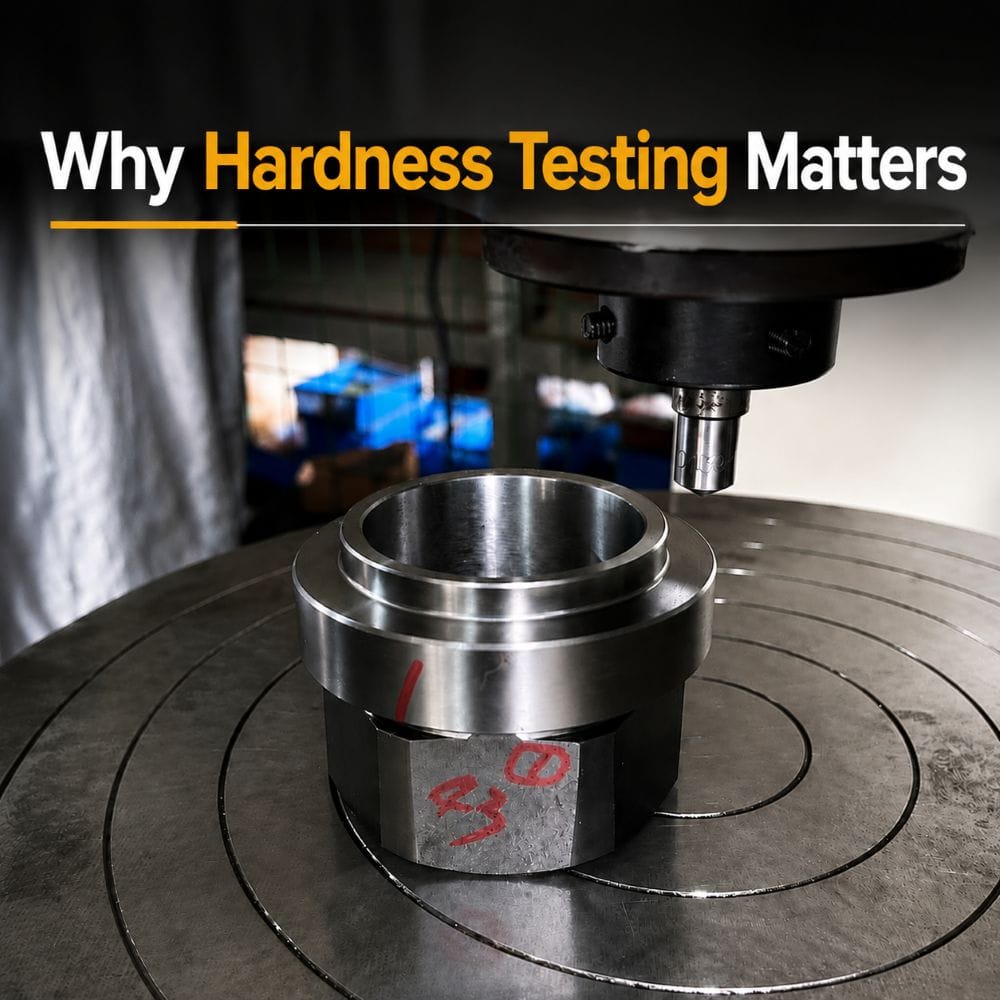
Why Hardness Testing Matters in Forging Quality Control
Why Hardness Testing Matters in Forging Quality Control Hardness testing is one of the most effective methods used in forging quality control to verify whether forged steel ...