
- All
- Applications
- CNC Machining
- Forged Components
- Forging Process
- Industry Knowledge
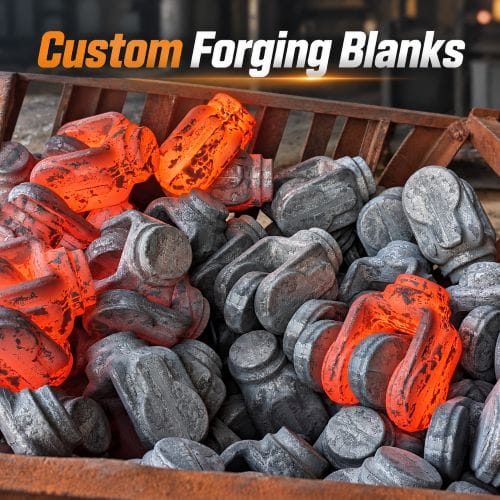
Custom Forging Blanks: What OEM Buyers Should Specify
Custom Forging Blanks: What OEM Buyers Should Specify For OEM projects, a forging blank is more than an unfinished piece of metal. Its material, forged ...
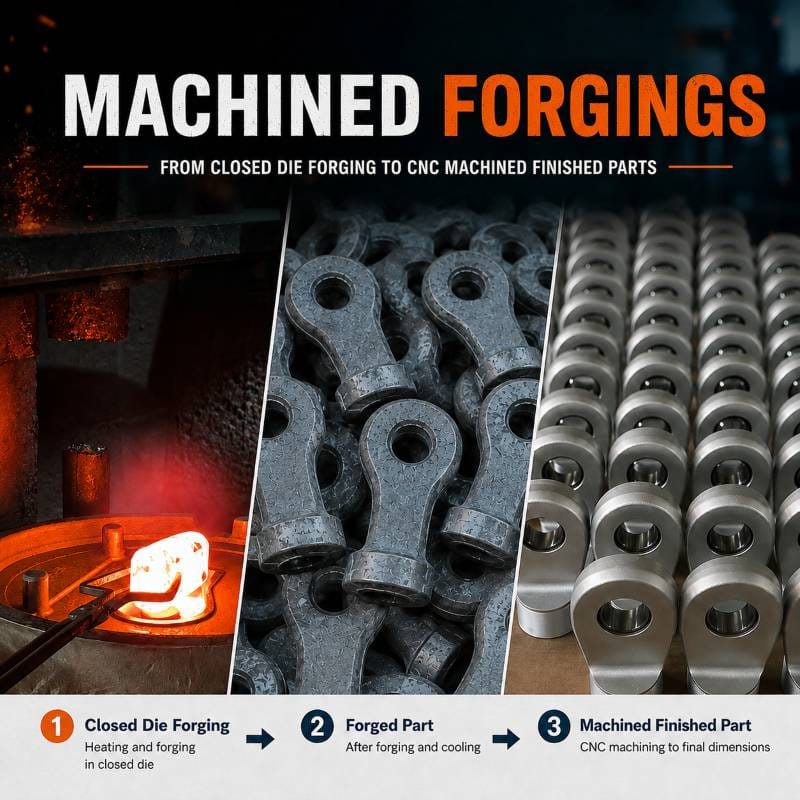
Machined Forgings: Why OEMs Combine Forging and CNC Machining
Machined Forgings: Why OEMs Combine Forging and CNC Machining Machined forgings are forged components that undergo CNC machining to meet the final dimensions, tolerances, and ...
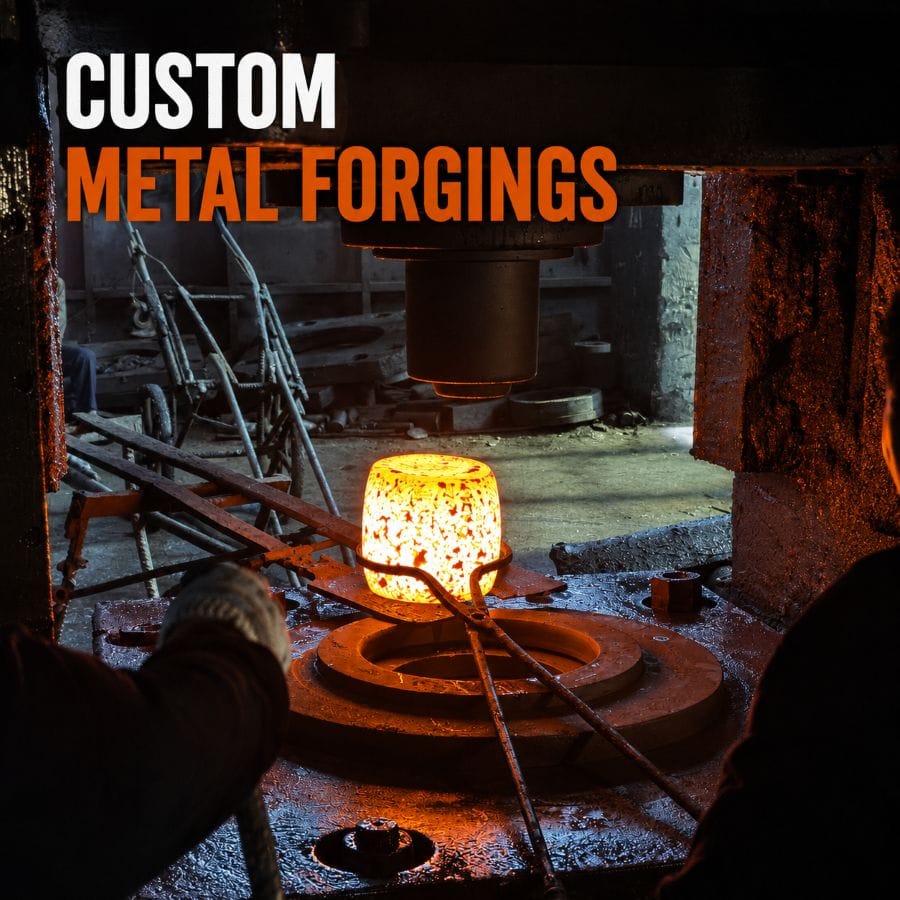
Custom Metal Forgings: How to Specify Parts for OEM Projects
Custom Metal Forgings: How to Specify Parts for OEM Projects Custom metal forgings are produced to customer-specific drawings and technical requirements rather than standard stock ...
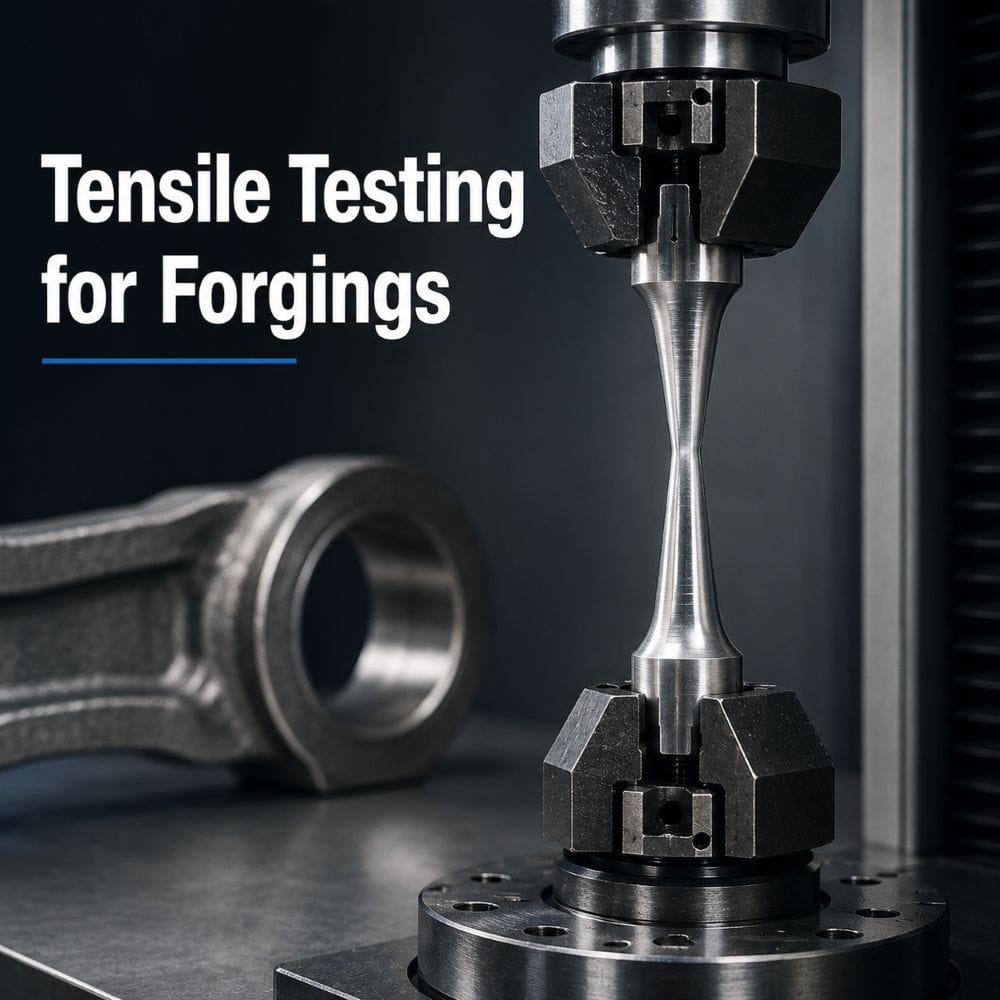
Tensile Testing for Forgings: What the Results Mean
Tensile Testing for Forgings: What the Results Mean Tensile testing for forgings is used to verify the mechanical properties of steel forgings under controlled tensile loading. ...
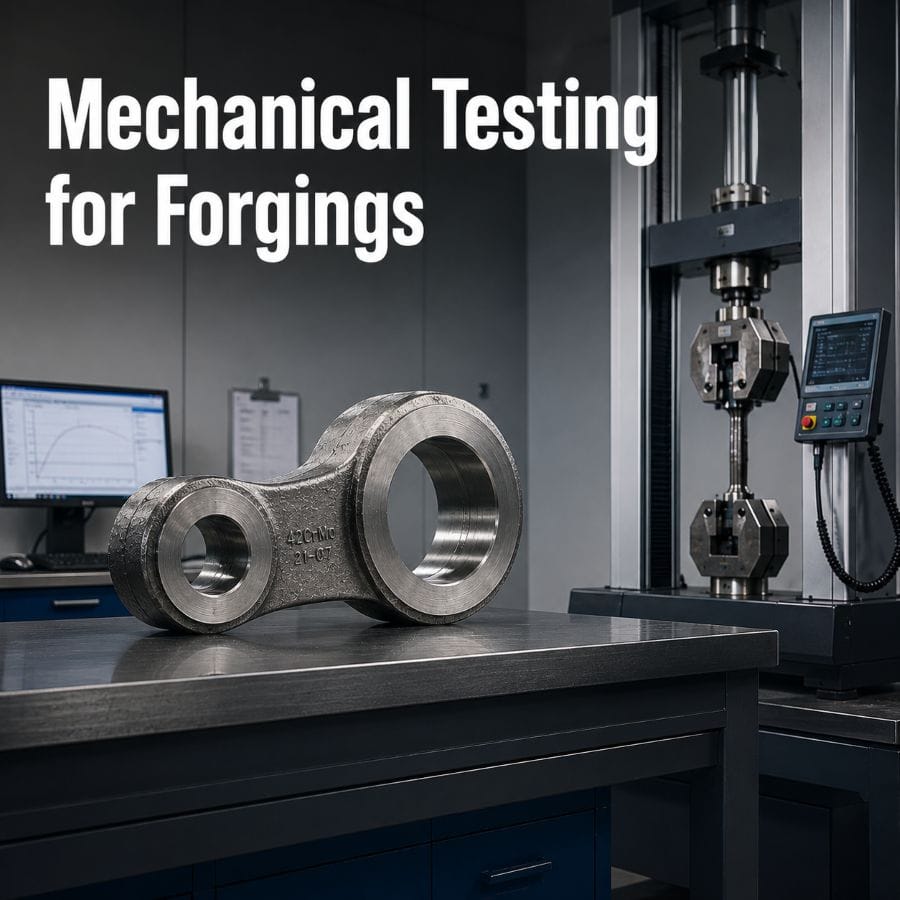
Mechanical Testing for Forgings: Methods & Standards
Mechanical Testing for Forgings: Methods & Standards Mechanical testing for forgings verifies whether forged steel has achieved the required strength, ductility, toughness, and hardness after forging ...
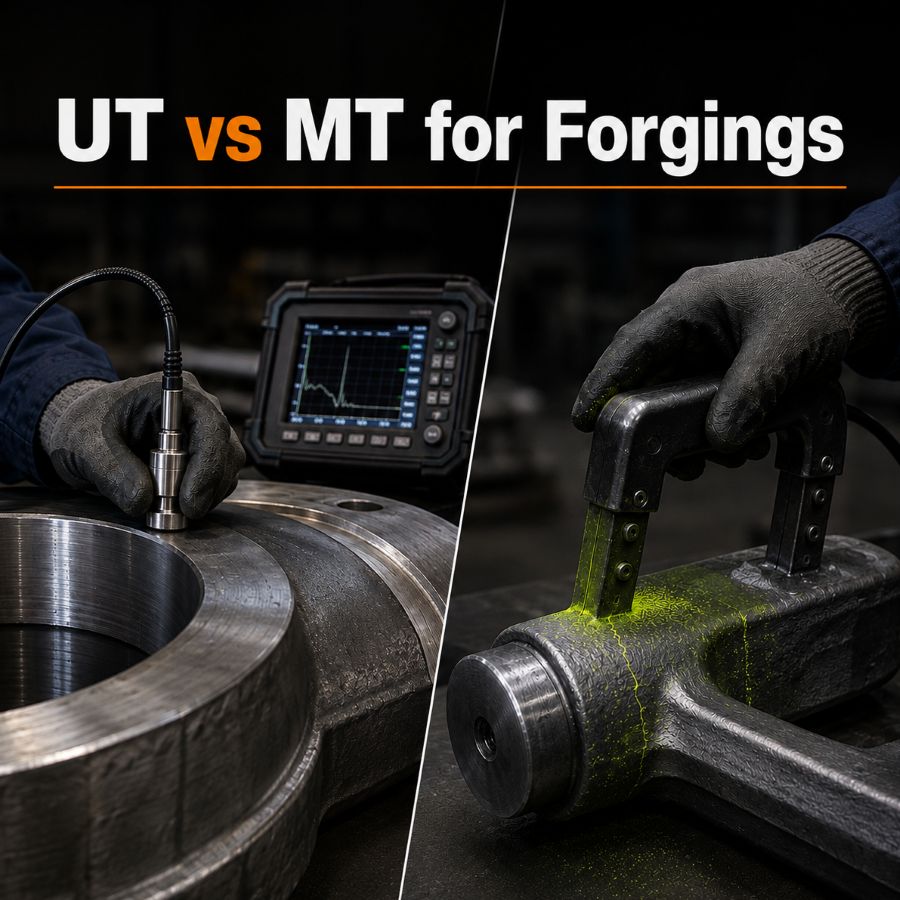
UT vs MT for Forgings: Differences, Defects & NDT Guide
UT vs MT for Forgings: Which Inspection Method Is Needed? UT vs MT for forgings depends on the inspection target. Ultrasonic testing (UT) is mainly used for ...
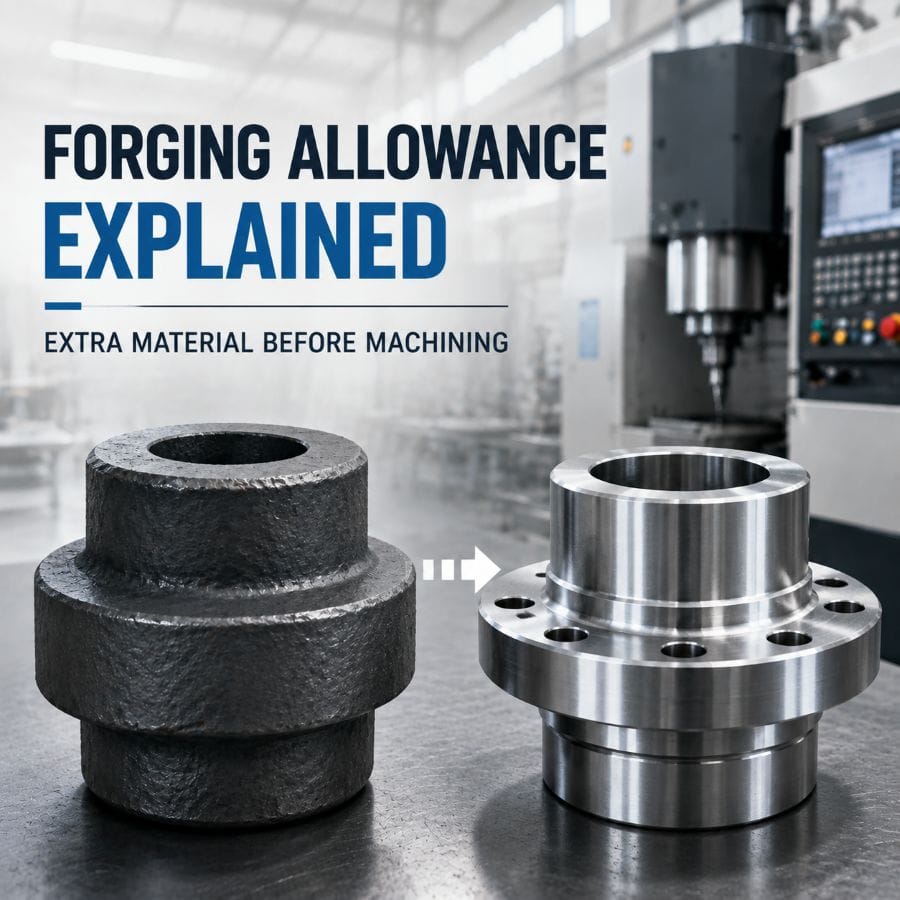
Forging Allowance Explained: Why Extra Material Is Added
Forging Allowance Explained: Why Extra Material Is Added Forging allowance is the extra material added to forged components before machining to achieve the required dimensions, surface ...
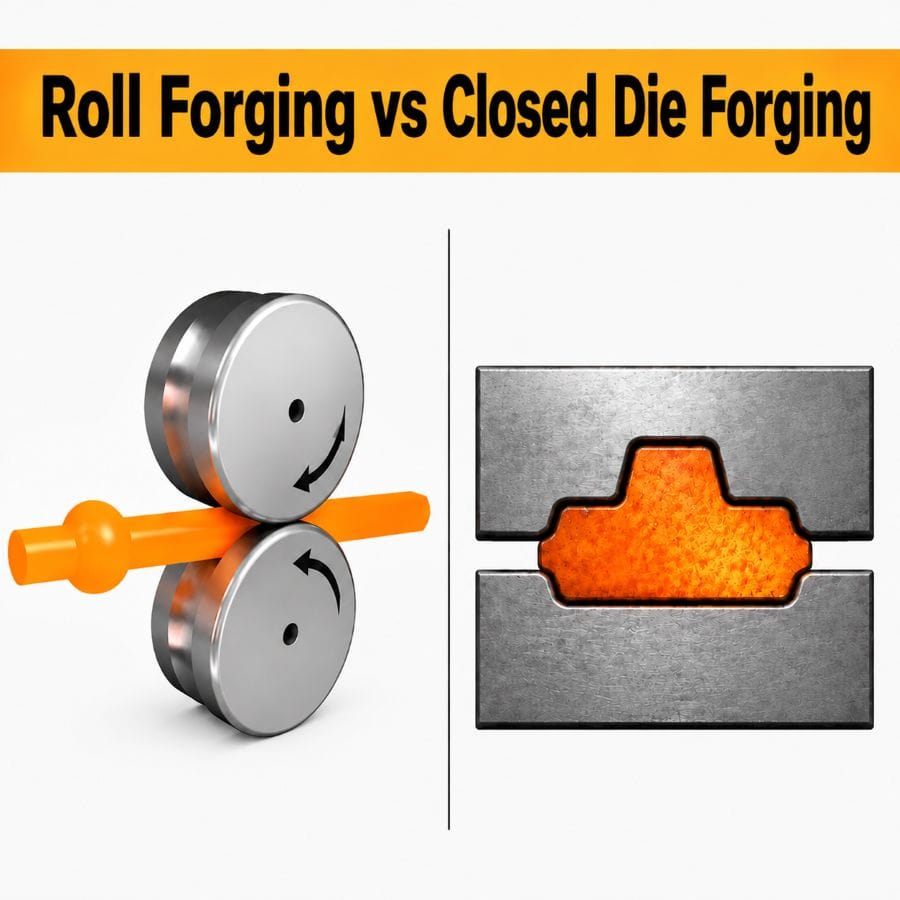
Roll Forging vs Closed Die Forging: Key Differences
Roll Forging vs Closed Die Forging: Key Differences Roll forging and closed die forging are two different forging processes used to produce metal components with improved strength ...
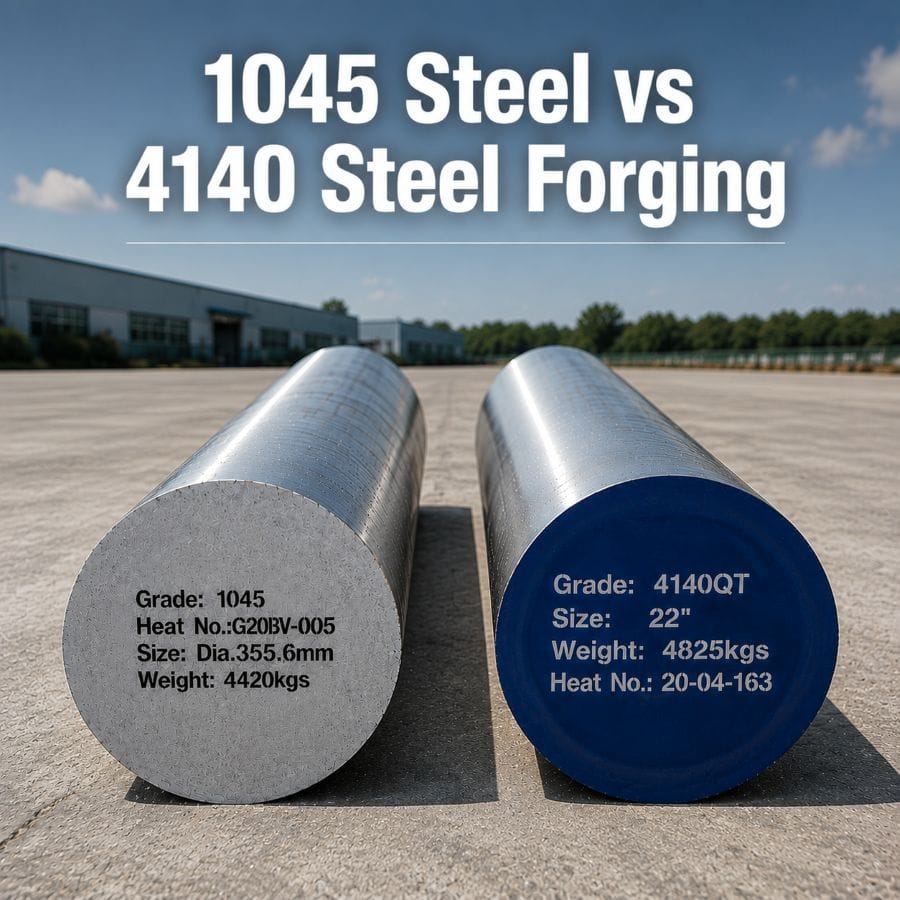
1045 Steel vs 4140 Steel Forging: Which to Choose?
1045 Steel vs 4140 Steel Forging: Which to Choose? 1045 steel vs 4140 steel is a common comparison when selecting materials for forged components, especially for ...